Eskom made R30 billion selling less power. So why is your bill going up 8.83% again?
Eskom has doubled its profit, sold less power than in 18 years, and kept the lights on. Now it has told MPs the price goes up again. Here are the numbers, and what they add up to at home.
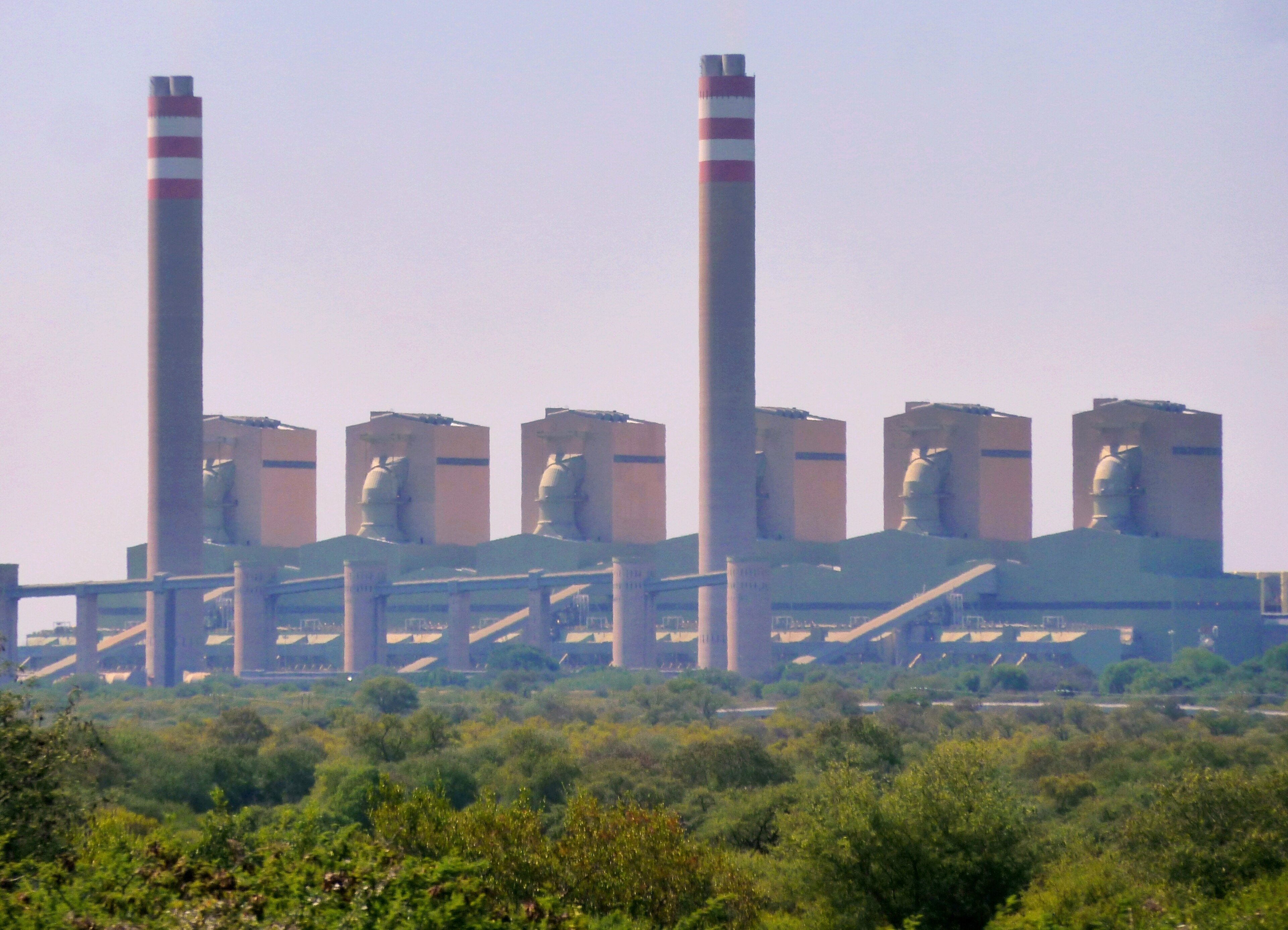
Photo: JMK / Wikimedia Commons, CC BY-SA 3.0
- Three hikes in a row add up to about 33%
- A R54.7 billion regulator error helped push the 2027 number up
- Cities and towns now owe Eskom R122.5 billion
8.83%.
That is how much more Eskom plans to charge its direct customers from 1 April 2027. It told Parliament this week. For municipalities, which supply most homes, the number is 8.84%.
An MP on the committee put the cost in plain words. Rising electricity costs, he said, force households to choose between essential expenses such as school fees, food and electricity.
The news was first reported by the Mail & Guardian. It had only 11,200 views on X, but replies on X called the timing "incredibly sneaky". Users said prices went up as winter set in, and now they are going up again as summer comes.
So how big is the bill, and who decided it?
How much more will you pay for electricity from April 2027?
It depends on your tariff and your municipality. But we can show what 8.83% does to a bill.
Say your household pays R1,000 a month for electricity today. This is an example we worked out, not an official figure.
| Date | Increase | Monthly bill |
|---|---|---|
| Now (before 1 April 2027) | R1,000.00 | |
| After 1 April 2027 | 8.83% | R1,088.30 |
That is R88.30 more a month, or about R1,060 more over a year.
Now look at it with the hike that already landed in 2026. A R1,000 bill became R1,087.60 after 8.76%. The new 8.83% takes it to R1,183.64. That is R183.64 more every month than two years ago, for the same lights, kettle and stove.
Your own rise may be different. Eskom's percentages are for what it charges. Your council adds its own costs and sets its own tariffs. Cape Town's 2026/27 rises, for example, were lower than the Eskom figure, at between 6.7% and 7.5%.
How many hikes in a row is this?
This is the third big hike in three years. Here they are side by side.
| Year starting 1 April | Eskom direct customers |
|---|---|
| 2025 | 12.74% |
| 2026 | 8.76% |
| 2027 | 8.83% |
Stack them on top of each other and they compound. Prices rise by about 33% over the three years (1.1274 x 1.0876 x 1.0883, our own sum). A R1,000 bill from early 2025 would be near R1,334 by mid-2027 if your bill moved with Eskom's price.
 Read nextSouth Africa makes 39% of its own fuel, down from 78% in 2019
The M&G reports that Eskom's plan still needs Nersa's approval. But Nersa has already pencilled in the 2027 number. In March 2026 it set 8.83% for 2027/28, up from the 6.19% in its first plan.
Why did 6.19% turn into 8.83%?
Because the regulator got its sums wrong.
Nersa made a R54.7 billion error when it worked out the value of Eskom's assets, the base on which prices are set. To fix it, Eskom gets the money back through your tariff over three years. Engineering News reports R12 billion in 2026/27, R23 billion in 2027/28 and the last R19.7 billion in the next price period.
The 2027/28 slice is the biggest. That is why the 2027 hike jumped from 6.19% to 8.83%.
The DA and EFF both slammed the decision. The union federation Saftu called a related settlement a betrayal of the public.
So a calculation error is now sitting inside your electricity bill. Many readers' next question is obvious. Why does Nersa never say no?
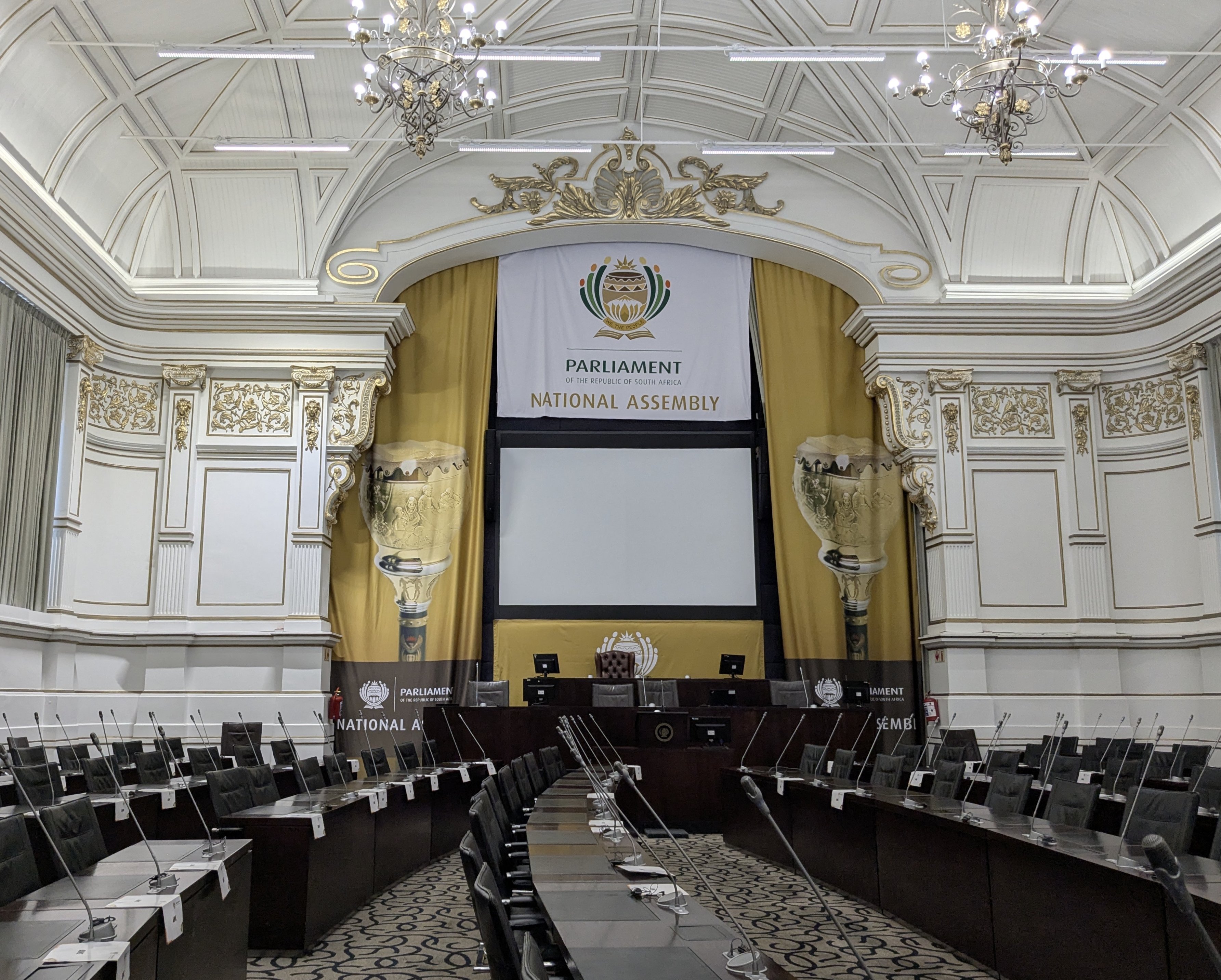
Photo: Portland Seminary of George Fox University / Wikimedia Commons, CC BY-SA 4.0
What did MPs say about the hike?
The standing committee on appropriations heard Eskom's plan on Tuesday. Members said the hikes clash with the fight against poverty and unemployment. They also said higher interest rates and rising prices are making life harder for families.
Committee chair Dr Mmusi Maimane asked for a closer look at Nersa's role in setting tariffs and at the requests Eskom makes. He also backed paying the indigent electricity subsidy straight to Eskom. That is the help given to poor households. He said it would cut admin costs and make Eskom's income easier to plan.
Maimane's warning was blunt. He said the country needs decisions that balance Eskom's finances with what households can pay.
He also praised Eskom's leaders for cutting load shedding. That is true on the numbers. The power has stayed on for more than a year.
Is Eskom making money while it sells less?
Yes, and this is the part readers keep coming back to.
Eskom made R30.3 billion profit in the year to March 2026. We covered it in our report on its record profit and lowest sales in 18 years. It sold almost 21% less power than in 2008. Higher tariffs, not more customers, paid for the profit.
 Trending nowPetrol broke R30 a litre. We followed the money
Eskom also wants private partners to help it build up to 6,000 MW of solar and batteries. We set out the sizes, dates and what that plan leaves out.
Fewer people buying means those who stay carry more of the cost. Every rooftop panel is a customer gone. A higher price per unit then pushes the next family to look at solar. Many readers on X noted this loop and predicted bonuses for Eskom bosses. We found no report of bonuses in the material we checked, so that remains what people are saying.
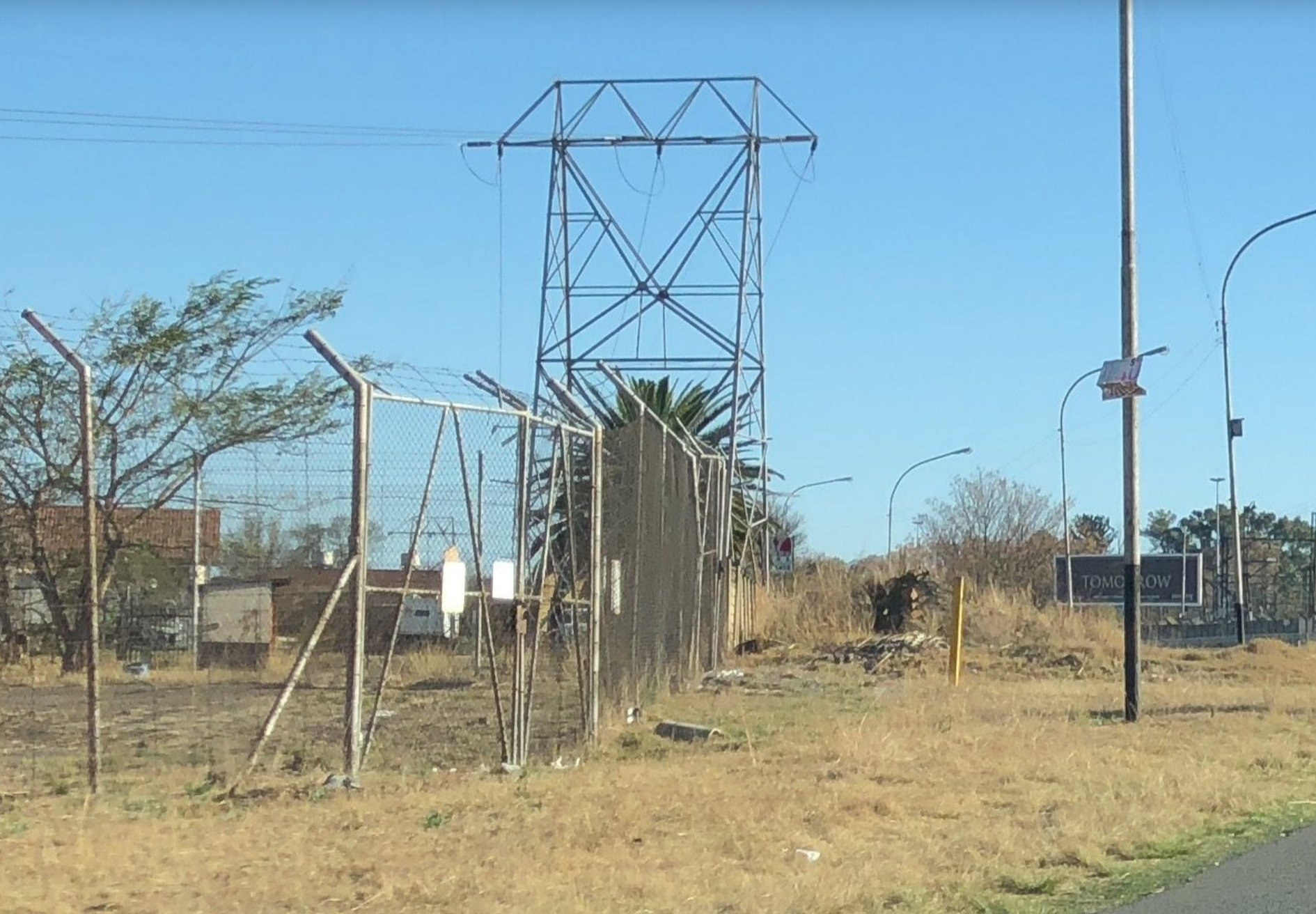
Photo: kingofafrica @ Mapillary.com / Wikimedia Commons, CC BY-SA 4.0
Who owes Eskom R122.5 billion?
Municipalities do. Eskom told MPs that municipal debt stood at R122.5 billion in August 2026.
Our earlier story put the figure at R111.6 billion. The debt grows, and the metros that default have payment plans that will take years to work.
Think about what that means for a paying household. You pay your council for electricity. Your council does not always pay Eskom. Eskom then asks for a higher price to cover its books.
Cities and towns owe the money. Households and businesses that pay on time face the higher tariffs.
How does this hit the rest of your monthly budget?
It lands at the same time as everything else.
Petrol is already at a record. A litre of 95 now costs R30.25 in Gauteng, and a big slice of that is tax and levies. We took the price sheet apart in our look at where the money in every litre goes.
Electricity feeds into food too. Farms, factories, fridges and shops all use it. When the cost of power climbs, the price on the shelf tends to follow.
Nothing in the M&G report says the poorest homes will be spared. Maimane's idea of paying the indigent subsidy directly to Eskom is about collecting money. It does not lower the price.
What is the one number to remember?
Eskom is selling less, earning more, and asking you to pay 8.83% extra. A regulator's own R54.7 billion mistake helped make that number bigger. And the council that sells you your power owes Eskom R122.5 billion.
The final price is still not fixed for municipal customers. Nersa decides what each council may charge. Will it say no this time?
Get the stories that hit your pocket
Petrol, SARS, Eskom, grants and the news everyone is talking about. One short email every weekday at 6am.
Free. One email each weekday. Unsubscribe anytime.Sources5
- Mail & Guardian post on X (13 Oct 2026)
- Mail & Guardian, Brace for yet another electricity hike (13 Oct 2026)
- Engineering News, Nersa approves higher electricity hikes for 2026/27 after R54.7bn error (10 Mar 2026)
- BusinessTech, Bad news for Eskom customers now official
- Eskom, implements Nersa decision for financial year 2027
Keep reading
 MoneyBotswana petrol is about R8 a litre cheaper than South Africa's. Here is why
 MoneyEx-Telkom boss Sipho Maseko convicted on 85 tax counts, with the numbers worked out
 MoneyStarlink's $1,500 sign-up fee in Alaska, what it is and where else it applies