Why Porsche wants to sell fewer cars, and how it plans to make more money doing it
Two years ago Porsche was one of the most profitable car makers on earth. Then China stopped buying. Now the company has a plan that sounds backwards, and it might work.
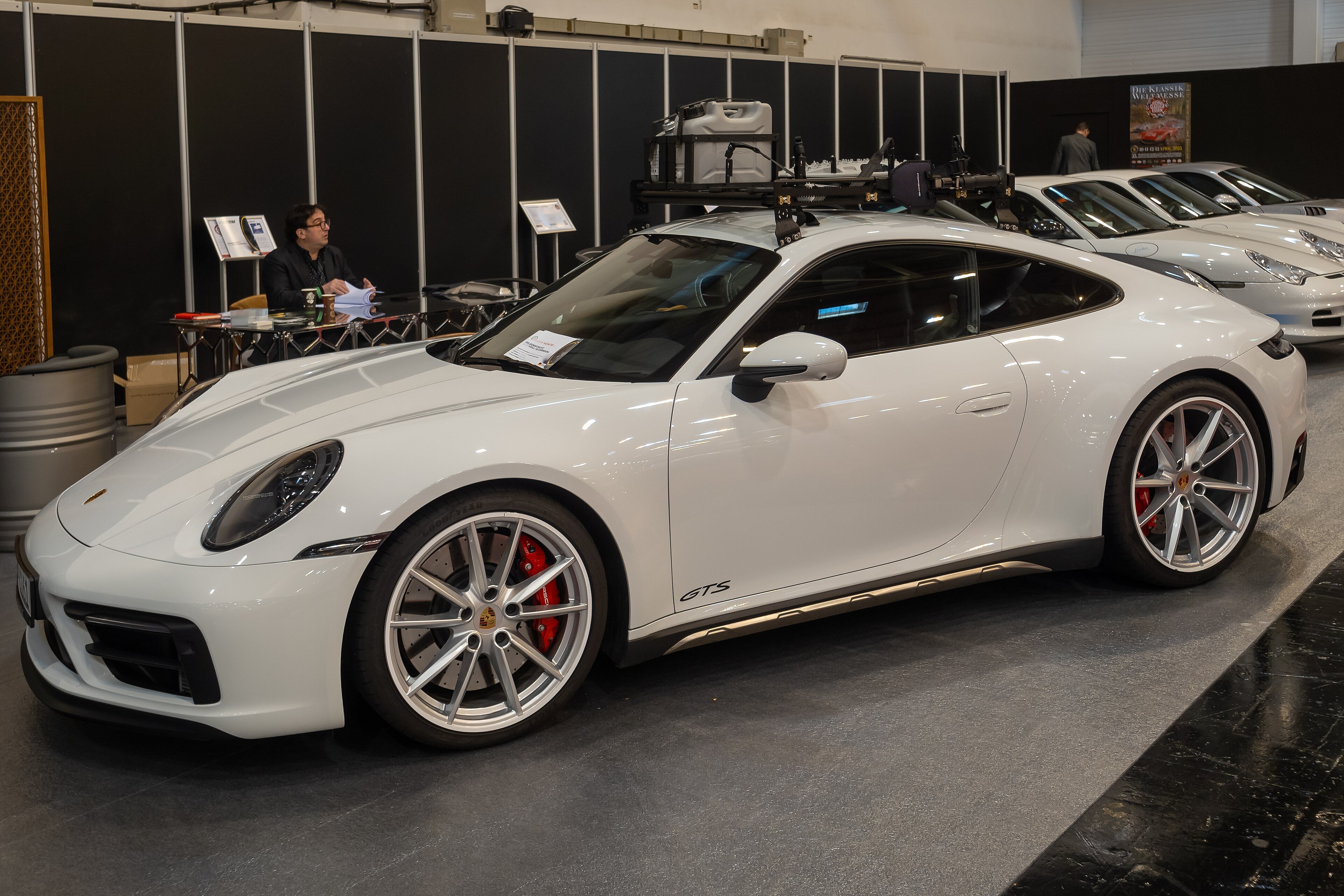
Photo: Matti Blume / Wikimedia Commons, CC BY-SA 4.0
- Porsche once kept 18 cents of every euro it earned
- Last year it kept about one cent
- The new plan breaks even below 200,000 cars a year
In 2023, Porsche kept 18 cents of profit from every euro of sales. Few car makers on earth came close.
Last year it kept about one cent.
On 7 October, the German sports car maker stood in front of investors at its test centre in Weissach and said something car companies almost never say. It expects to sell fewer cars, for a long time. And it plans to make that work.
Reuters summed it up in a short post that same day: Porsche is reshaping its business for lower sales, betting on its most expensive models to win back its profits.
Why is Porsche selling fewer cars?
Two of its biggest markets turned on it at once.
The first was China. Rich Chinese buyers used to snap up Porsches. Now local brands sell fast, high-tech electric cars for less. Porsche delivered 41,938 cars in China in 2025, down 26% in a single year, the company's own figures show. It was the fourth year of decline in a row.
The second was the United States. New American import taxes, called tariffs, made every car shipped from Germany more expensive. Porsche says the tariffs cost it about €700 million last year.
Add it up and global deliveries fell 10% in 2025, to 279,449 cars. Back in 2023, Porsche delivered 320,221.
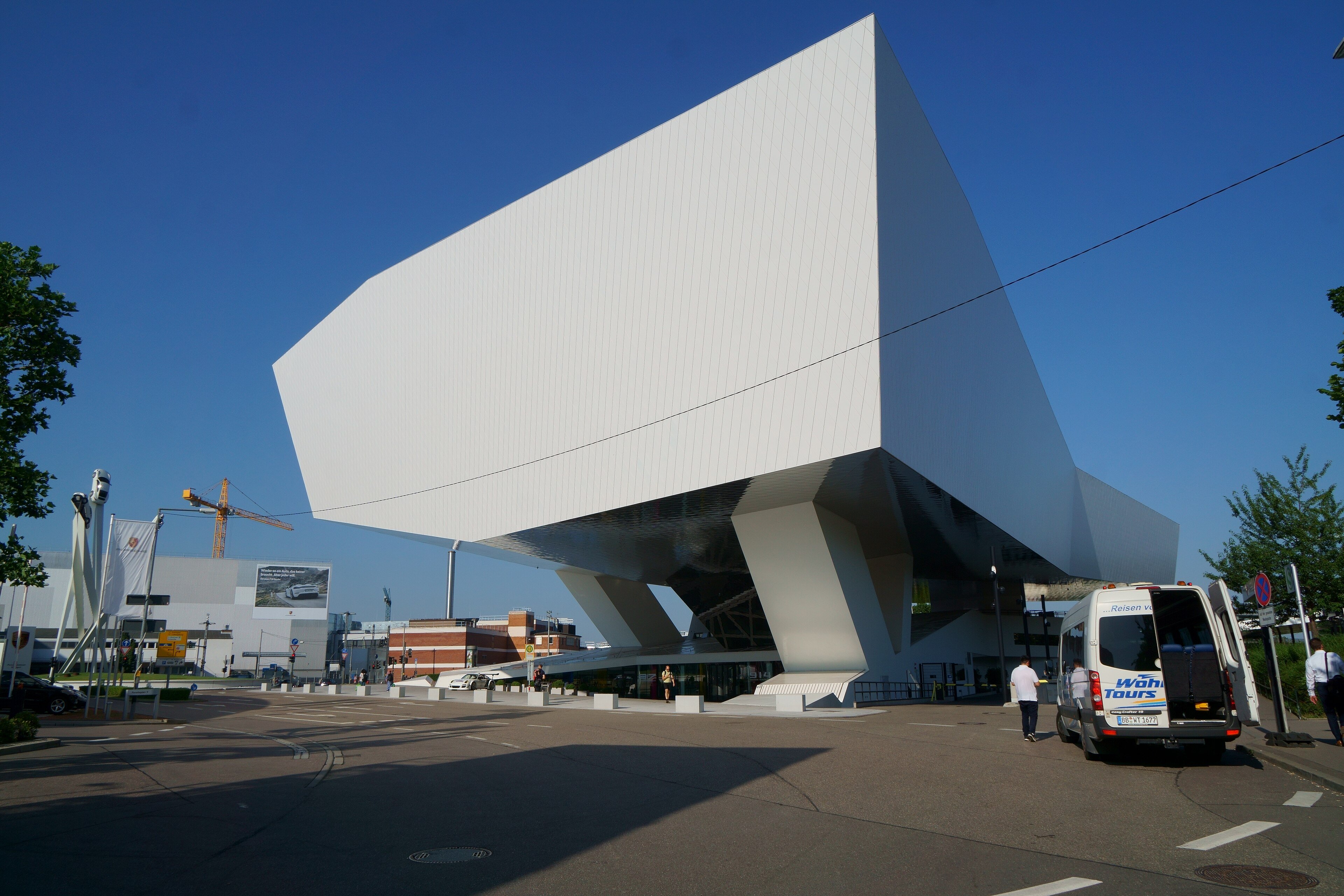
Photo: Giftzwerg 88 / Wikimedia Commons, CC BY-SA 3.0
How bad did Porsche's profits get?
Very bad, by Porsche standards. The number to watch is the operating margin. It is the share of each euro of sales that is left over as profit after the costs of running the business.
Operating profit fell from €5.64 billion in 2024 to just €413 million in 2025.
A lot of that came from one-off bills. Porsche booked about €3.9 billion in special costs last year. Around €2.4 billion went on changing its model plans, about €700 million on battery projects and about €700 million on US tariffs.
When Porsche listed on the stock market in 2022, its bosses promised margins in the high teens, close to Ferrari's. That promise is now gone. In June, chief executive Michael Leiters warned shareholders that Porsche would not see those old margins again in the short term.
What is Porsche's new plan?
Leiters calls it "value over volume". In plain words: Sell fewer cars, but make more money on each one.
The biggest change is the break-even point, the number of cars Porsche must sell to cover all its costs. Reuters reports it will drop to fewer than 200,000 cars a year. Porsche sold about 80,000 more than that in 2025.
The rest of the plan, as Reuters reported it from the investor day:
- 9,000 jobs go by 2035. That is roughly one in five people who work for Porsche.
- High-end sports cars like the 911 and big luxury SUVs come first.
- Average prices on top models go up.
- Porsche wants more income from personalisation, the paint, leather and trim options buyers pay extra for.
- More cars will share parts and platforms with Audi, a sister brand in the Volkswagen Group, to cut the cost of new models.
Leiters told investors the aim is to strengthen Porsche as a "unique sports car brand across all model lines". For now, he said, the main job is cutting costs and making the company tougher.
Is Porsche giving up on electric cars?
Not completely, but it is stepping back.
Under the previous boss, Oliver Blume, Porsche bet big on going electric. That bet turned expensive. Reuters says Leiters is now moving back towards petrol models after costly mistakes on electric cars.
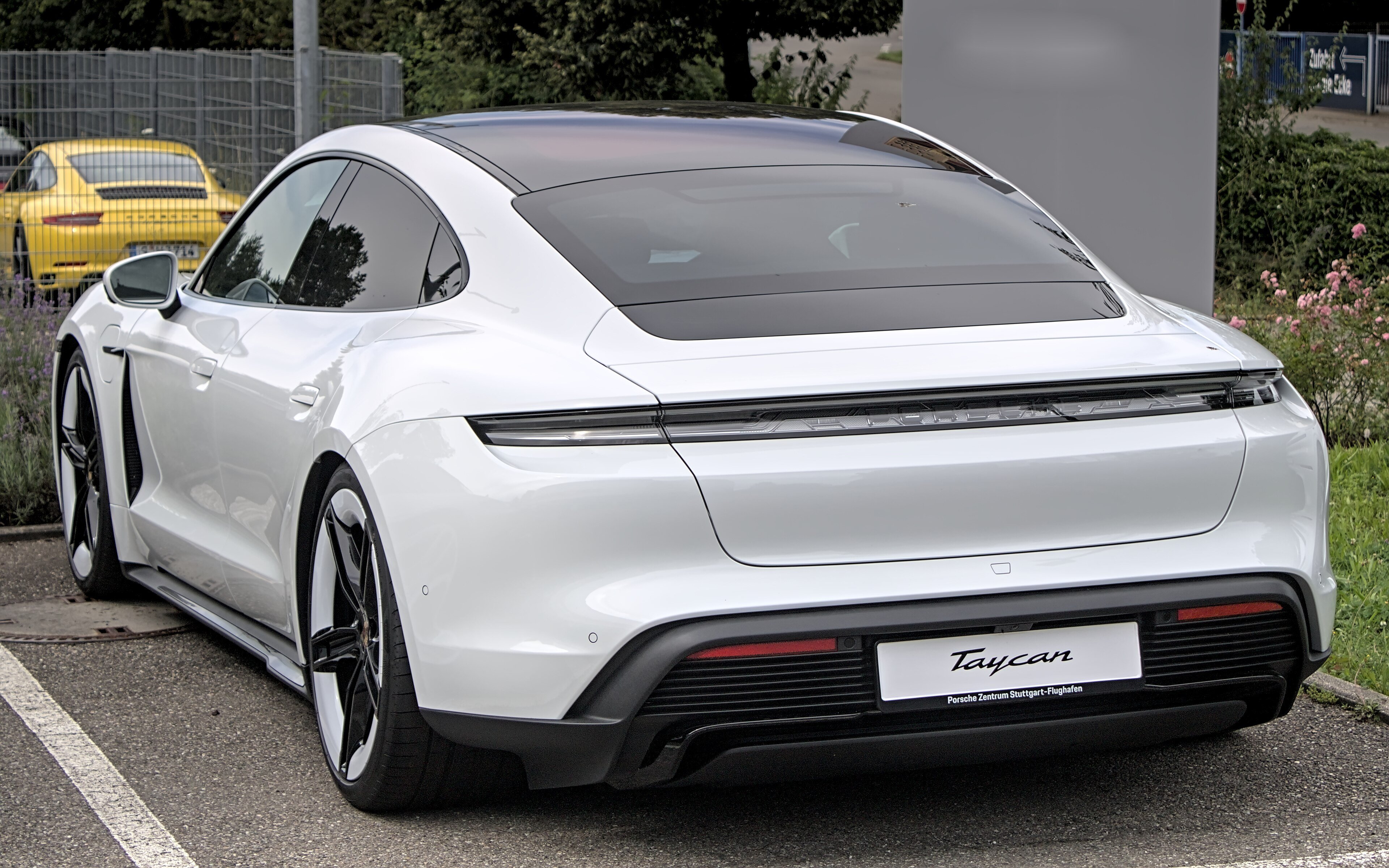
Photo: Alexander-93 / Wikimedia Commons, CC BY-SA 4.0
The numbers show the tension. Electric cars made up 22.2% of Porsche deliveries in 2025, up from 12.7% the year before. So more buyers did go electric. But the costs of Porsche's battery plans rose faster than the profits.
Leiters has also said a Porsche should be a car "you want to drive yourself", whatever powers it. Petrol, hybrid or battery, the brand comes first.
Why sell fewer cars on purpose?
It sounds upside down. Most companies want to sell more. But luxury works differently.
Think of a watch brand. If everyone on your street owns one, it stops feeling special. Fewer cars on the road can mean longer waiting lists, fewer discounts and buyers who are happy to pay more.
There is also a cost reason. Factories, staff and dealers are built for a certain number of cars. Porsche planned for more cars than it now sells. So it is shrinking the machine to fit the market it actually has, rather than the market it hoped for.
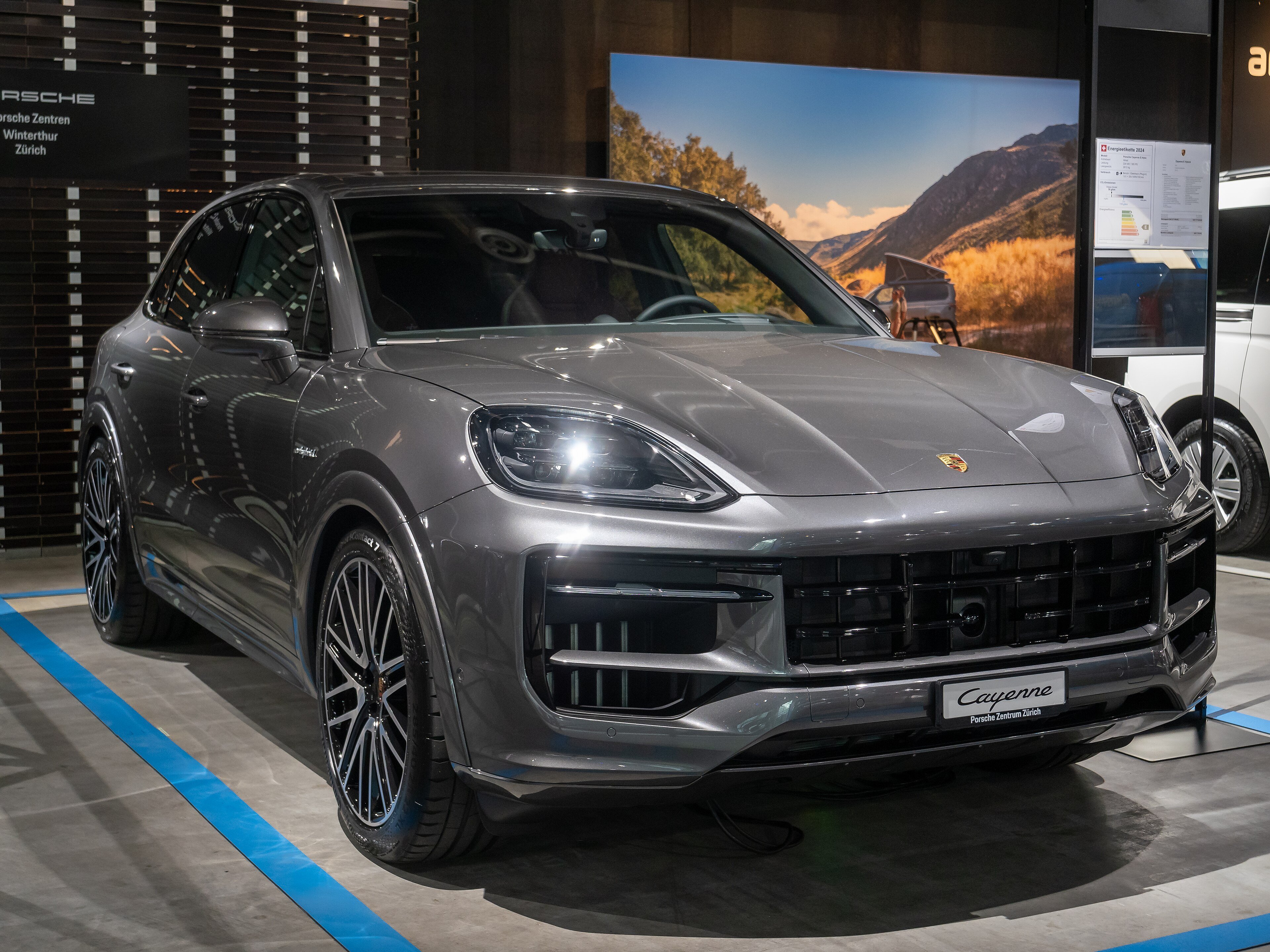
Photo: Matti Blume / Wikimedia Commons, CC BY-SA 4.0
When Porsche went public, Reuters says, the goal was Ferrari-style margins. Ferrari builds far fewer cars than Porsche and is famous for making each one pay.
What will Porsche build next?
Expect more expensive cars, not cheaper ones.
Porsche said earlier this year that it is looking at new models above its two-door sports cars and above the Cayenne. Those would be the most expensive cars in its range. Reports in June said a new hypercar above the 911 is under study, with a final decision depending on what customers say.
The full plan runs to 2035. Here are the targets Porsche set out:
| Target | Number |
|---|---|
| Break-even sales | Under 200,000 cars a year |
| Margin in about five years | 10% to 15% |
| Long-term margin | 15% |
| Jobs cut by 2035 | 9,000 |
Porsche is also not alone. Its parent company, Volkswagen, is fighting unions over about 100,000 job cuts worldwide. Car makers across Germany are under pressure from cheaper Chinese rivals.
Is the plan already working?
There are early signs.
For 2026, Porsche expects a margin of 5.5% to 7.5%. In the first half of the year it reached 7.8%, up from 5.5% a year earlier. That is still far from 18%, but it is a long way up from one cent in the euro.
Big brands everywhere are having a hard year. Closer to home, South Africa's big retailers split into clear winners and losers, and one famous investor keeps warning that a market crash is coming.
What does it mean for Porsche buyers?
Porsches will likely get rarer and pricier. Fewer cars, more top models and more paid extras is the whole point of the plan.
For fans, there is a bright side. A company that needs the 911 to carry its profits will pour its best work into the 911. Porsche is betting its future on the cars that made it famous in the first place.
Porsche spent years trying to sell more cars to more people. Now it wants to sell fewer, to the people who want one most.
Sources8
- Reuters on X, Porsche reshapes its business for lower sales (7 Oct 2026)
- Reuters via BusinessDay, Porsche turnaround to focus on top-end models (7 Oct 2026)
- Porsche AG, 2025 annual results and first steps of Strategy 2035
- Porsche Newsroom, 2023 annual results (2022 and 2023 margins and deliveries)
- Porsche Newsroom, 2024 annual results
- Porsche Newsroom, 2025 deliveries by region including China
- Porsche Newsroom, first half 2026 results
- Reuters via TimesLive, Porsche CEO stands firm on targets (23 Jun 2026)
The week's biggest stories, every Monday
One email. The stories everyone will be talking about, before they do.
Free. One email a week. Unsubscribe anytime.Keep reading
 ExplainedWhy Shoprite wins while Woolies and TFG bleed
 ExplainedThe best exercise for depression? Dancing topped a 218-trial review
 ExplainedIs 8 hours of sleep a myth? What 3.5 million sleepers show