Eskom just made R30 billion. So why is nobody buying its electricity?
The lights have stayed on for more than a year, the profit has doubled, and yet Eskom's own report shows fewer people are buying its power than ever. Here are the numbers, side by side.
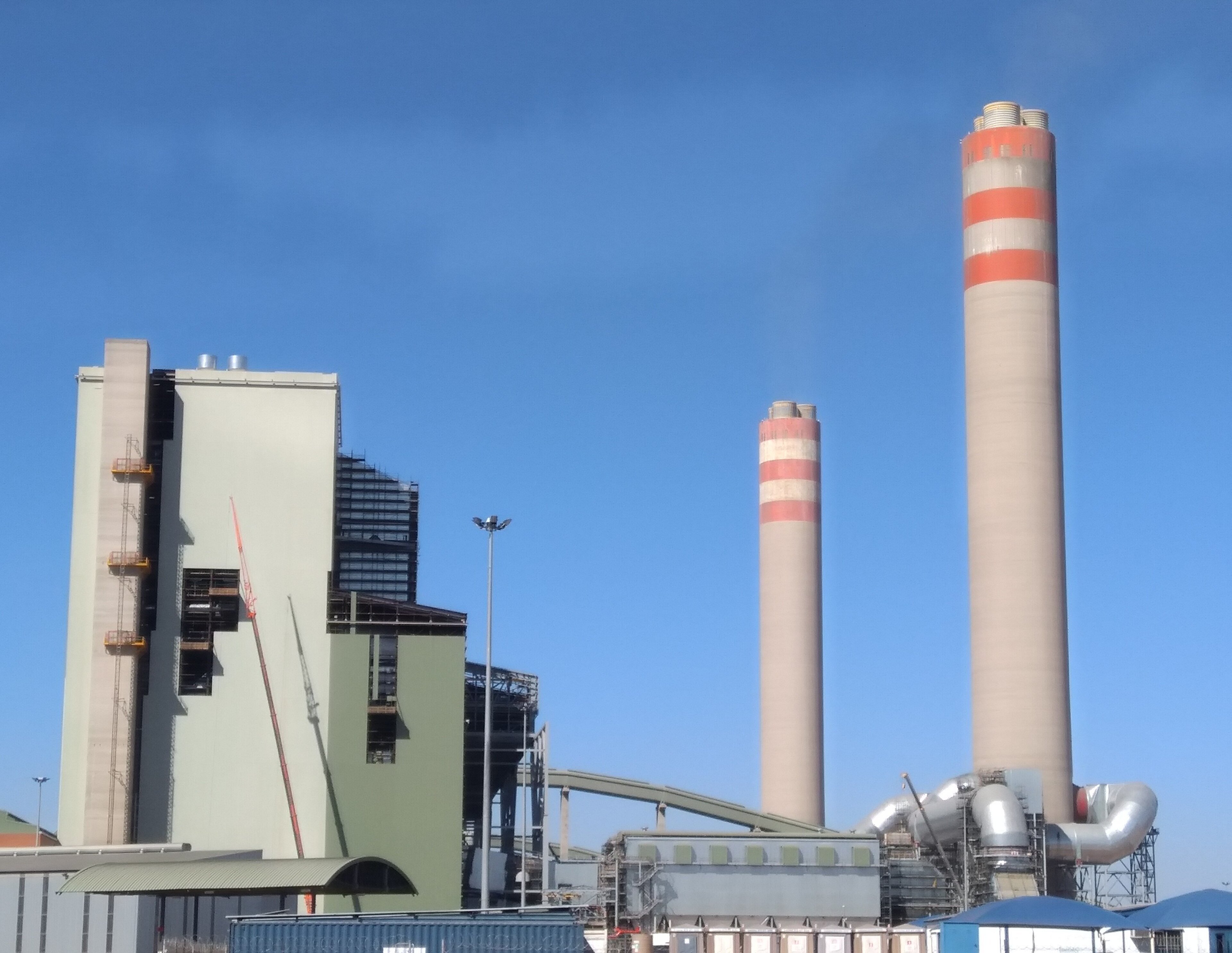
Photo: Caracal Rooikat / Wikimedia Commons, CC BY-SA 4.0
- Eskom's profit more than doubled in one year
- It sold almost 21% less power than in 2008
- Cities and towns now owe it R111.6 billion
Update: Eskom has now asked private firms to help it build up to 6,000 MW of solar and batteries. Here are the sizes, dates and what is missing.
R30.3 billion.
That is Eskom's profit for the year to March 2026. A year earlier it was about R14 billion. The company that gave South Africa 329 days of power cuts in 2024 is now making money, and the lights have stayed on for well over a year.
Now the strange part. In the same year, Eskom sold less electricity than in any year since at least 2008. Its own report says so.
So how does a company make a record profit while selling a record low?
How does Eskom make R30 billion from selling less power?
Mostly by charging more. Eskom put up its tariffs by 12.74% in 2025/26. Sales fell by 6.2%, which is about 11 terawatt-hours.
The price rise was bigger than the sales drop. Revenue came to R355 billion, about R14 billion more than the year before.
Costs helped too. Eskom says its underlying costs fell by R11.5 billion, once you set aside a one-off fuel levy refund. That refund was worth R14.2 billion in the 2025 books, and it made last year's profit look odd.
The plants also ran better. Eskom's energy availability factor, the share of its fleet that is working at any time, rose to 65.16%. That is about five points higher than the year before, but still under its 70% target.
How much less electricity is Eskom selling than it used to?
Engineering News went back through Eskom's reports and found the gap. In the year to March 2008, Eskom sold 224,366 gigawatt-hours. In the year to March 2026, it sold 178,032.
That is 46,334 GWh gone, a fall of almost 21%. It is the lowest figure in at least 18 years. Eskom's latest annual report says sales have dropped by about 2% a year for the last ten years.
| 2008 | 2026 | Change | |
|---|---|---|---|
| Electricity sold (GWh) | 224,366 | 178,032 | Down almost 21% |
| Power station capacity (MW) | 38,747 | 47,378 | Up 22% |
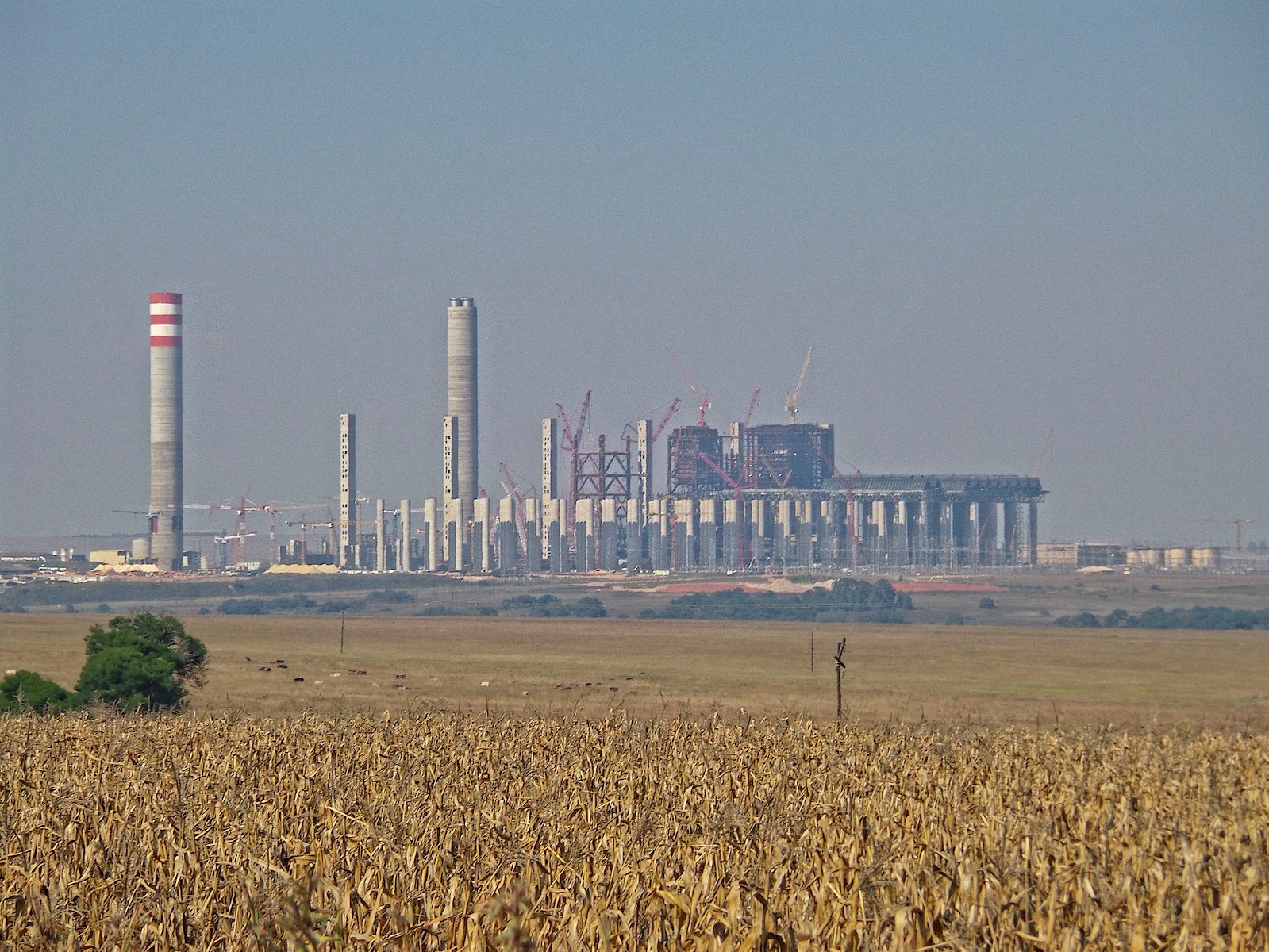
Photo: Leo za1 / Wikimedia Commons, CC BY-SA 3.0
Where did all the customers go?
Eskom's annual report names three reasons.
The first is industry. Weak demand and the closing of ferrochrome smelters have taken some of Eskom's biggest customers off the grid. Mining shutdowns also cut sales.
The second is the sun. More homes, farms and factories now make their own power with rooftop solar. Every panel is a customer Eskom no longer has.
The third is private power. Some big users now buy electricity straight from private generators instead of from Eskom.
The pattern worries many readers. Fewer buyers means the ones who stay carry more of the cost.
Why does Eskom have power to spare but still want more money?
Here is a number that surprised many readers. Eskom's nominal capacity grew 22%, from 38,747 MW in 2008 to 47,378 MW in 2026. Most of that came from new units at the Medupi and Kusile coal stations.
For the first time in about ten years, Eskom says it has a spare 2 GW to 3 GW. Eskom says that spare room lets it take on new demand, and it has cut prices for some mining and refining operations. Those lower prices, it says, will not touch tariffs for everyone else.
So the company has more plant than customers. That leaves one question people keep asking. Who pays for all that plant if fewer people buy from it?
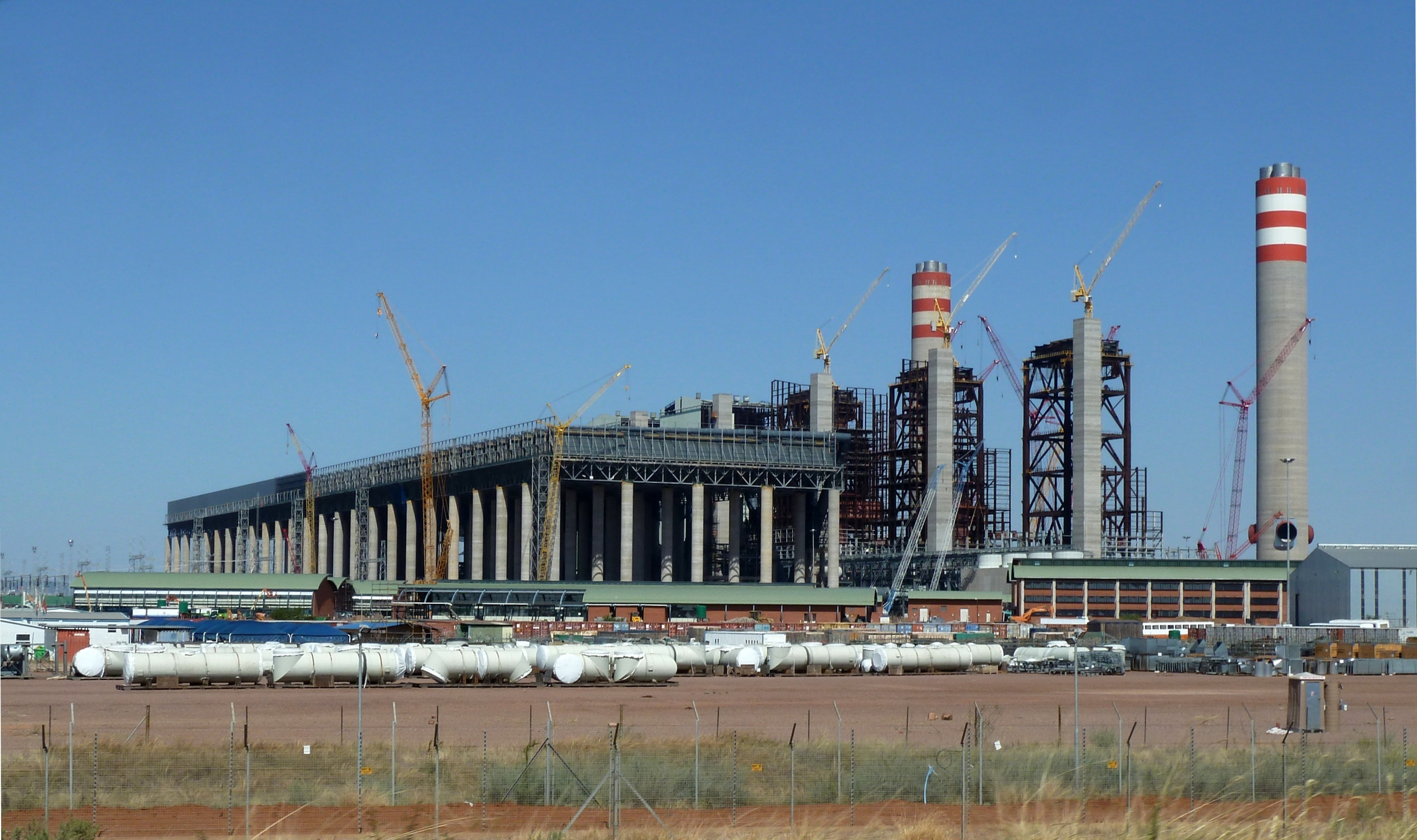
Photo: JMK / Wikimedia Commons, CC BY-SA 3.0
How bad was it before, and what does 12.74% mean for a bill?
Think back to 2024. South Africa had load shedding on 329 days that year, according to one report on the results. In the latest financial year it had only four days of cuts, and none for more than a year now.
That is a huge change, and it is why many people forgive the price rises. But the price rises are not small.
Here is a worked example. If a household bill rose in step with Eskom's 12.74%, a R1,000 monthly bill would become about R1,127. Over twelve months that is roughly R1,529 more for the same lights. Real bills differ by city and by plan, so treat this as a guide, not a quote.
Who owes Eskom R111.6 billion?
South Africa's municipalities. Their unpaid electricity bills grew by R17 billion in one year, from R94.6 billion to R111.6 billion.
One city paid up this year. Johannesburg handed over R5.25 billion in overdue bills on 21 August 2026, after Eskom threatened legal action and possible power cuts.
That is only one city, and the total is still climbing. A profit does not help much when this much money is owed to you.
You may also be asking if this is why prices at the pump and the plug keep rising. Our own look at where every rand of the petrol price goes shows how much of a bill is fixed by rules, not by the product itself.
What is Eskom planning to do about it?
Eskom wants to split into three companies. One would run the power lines, one would make the power and one would sell it on to customers. It once fought that idea. Now it backs it, along with Business Leadership South Africa.
Many readers ask if a split would bring prices down. Eskom has not said so, and the report gives no promise.
Pressure on households is a theme across the country. Our report on why Durban is still marching shows how tense things have become.
Is Eskom building a bigger factory for fewer buyers?
Look at the two lines again. Capacity up 22%. Sales down almost 21%. Two numbers that should rise together are moving in opposite directions.
Eskom's profit is real, and so are the lights. But Eskom itself says that "Tariff increases alone cannot secure Eskom's future."
The company with the R30 billion profit has just told the country that its own price rises are not enough.
Sources4
- Engineering News, Eskom's capacity at a record high, its sales at a record low (4 Sep 2026)
- Engineering News, Eskom posts profit but lower sales, rising municipal debt a concern
- BusinessTech, Eskom records over R30 billion in profit as sales decline
- RANE Worldview, Eskom doubles profit after over 15 months without load shedding (31 Aug 2026)
The week's biggest stories, every Monday
One email. The stories everyone will be talking about, before they do.
Free. One email a week. Unsubscribe anytime.Keep reading
 MoneyDrug company gifts change prescriptions, a 93-study review finds
 MoneyMortgage rates 7.40%, the Fed hike and a $400,000 loan, payment by payment
 MoneyAirbnb fans and angry tenants clash over Cape Town. The numbers on both sides