South Africa now makes only 39% of its own fuel, and the national tank holds about 30 days
Seven years ago the country made nearly four out of five litres itself. Now it imports 61%, and the Iran war is shaking the oil market it depends on
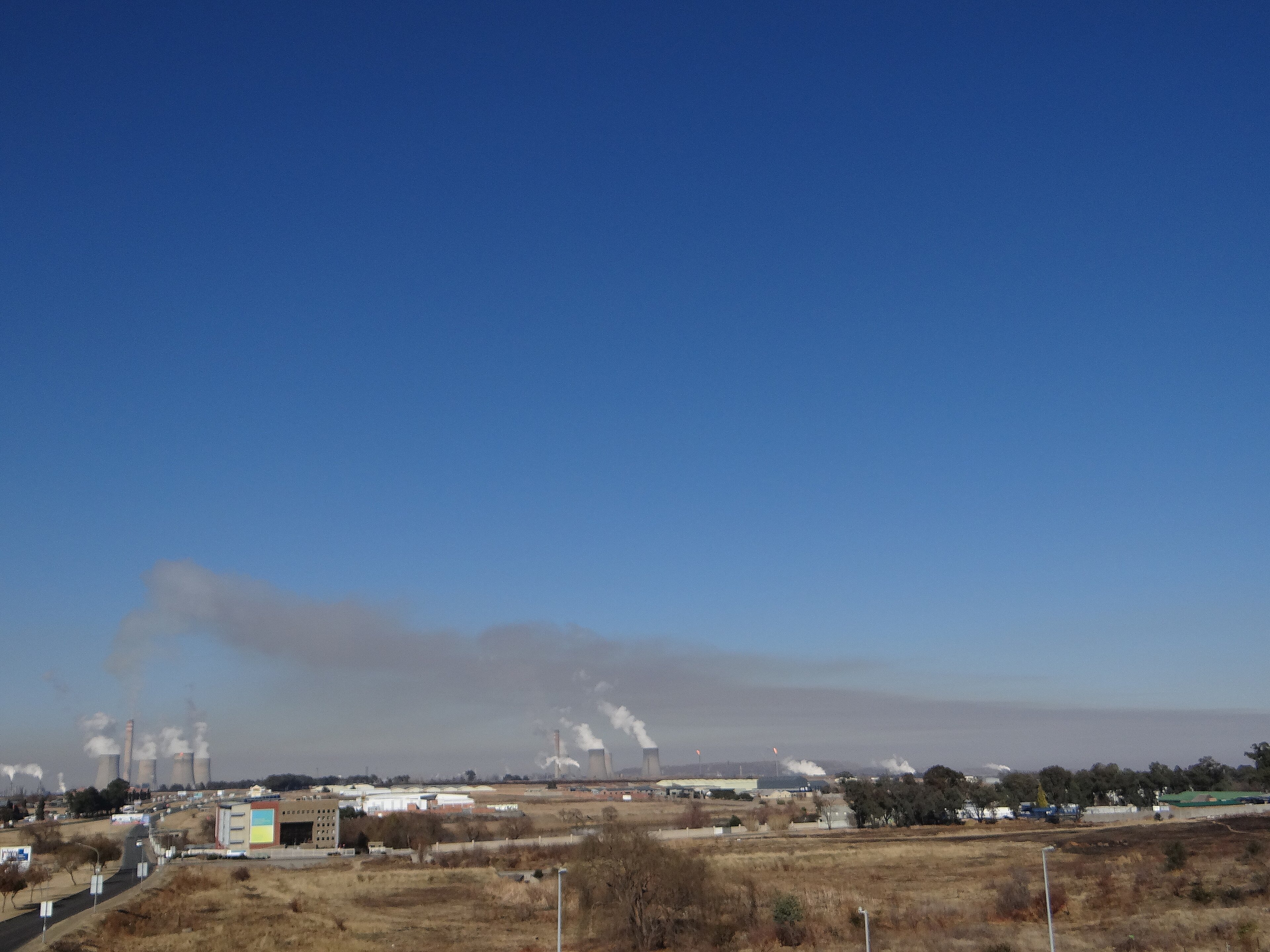
Photo: RabbitWolf / Wikimedia Commons, CC BY-SA 4.0
- The share of fuel made at home fell from 78% to 39%
- Two Durban refineries made 300,000 barrels a day and are gone
- A new refinery takes 60 to 120 times longer to build than the tank lasts
39%.
That is how much of South Africa's fuel demand is still met by plants inside the country. In 2019 it was 78%. The share has been cut in half in seven years.
The rest, about 61%, comes in on ships. On 30 September the energy minister also told Parliament how much crude sits in the national tank. It is 6.9 million barrels, which he says is about 30 days.
BusinessTech laid out the numbers on 10 October, and the replies were harsh. "We are not a serious country," one reader wrote. Another listed "3 refineries left to rot..."
So what actually happened to them?
How did South Africa go from 78% to 39% of its own fuel?
Plants closed, one after another, and nothing replaced them. The reasons given are high running costs, old equipment, a shortage of gas, a fire and floods.
Stellenbosch University analyst Joan Swart told Talk Radio 702 that only two crude oil refineries still run. They are Natref and Astron. The coal-to-fuel giant Sasol covers about a quarter of local demand on its own.
Half of the home-made share has gone. The war in Iran makes that gap matter more, because the ships bringing the missing 61% now sail through a rattled market. We broke down that chain in our guide to the three oil shocks.
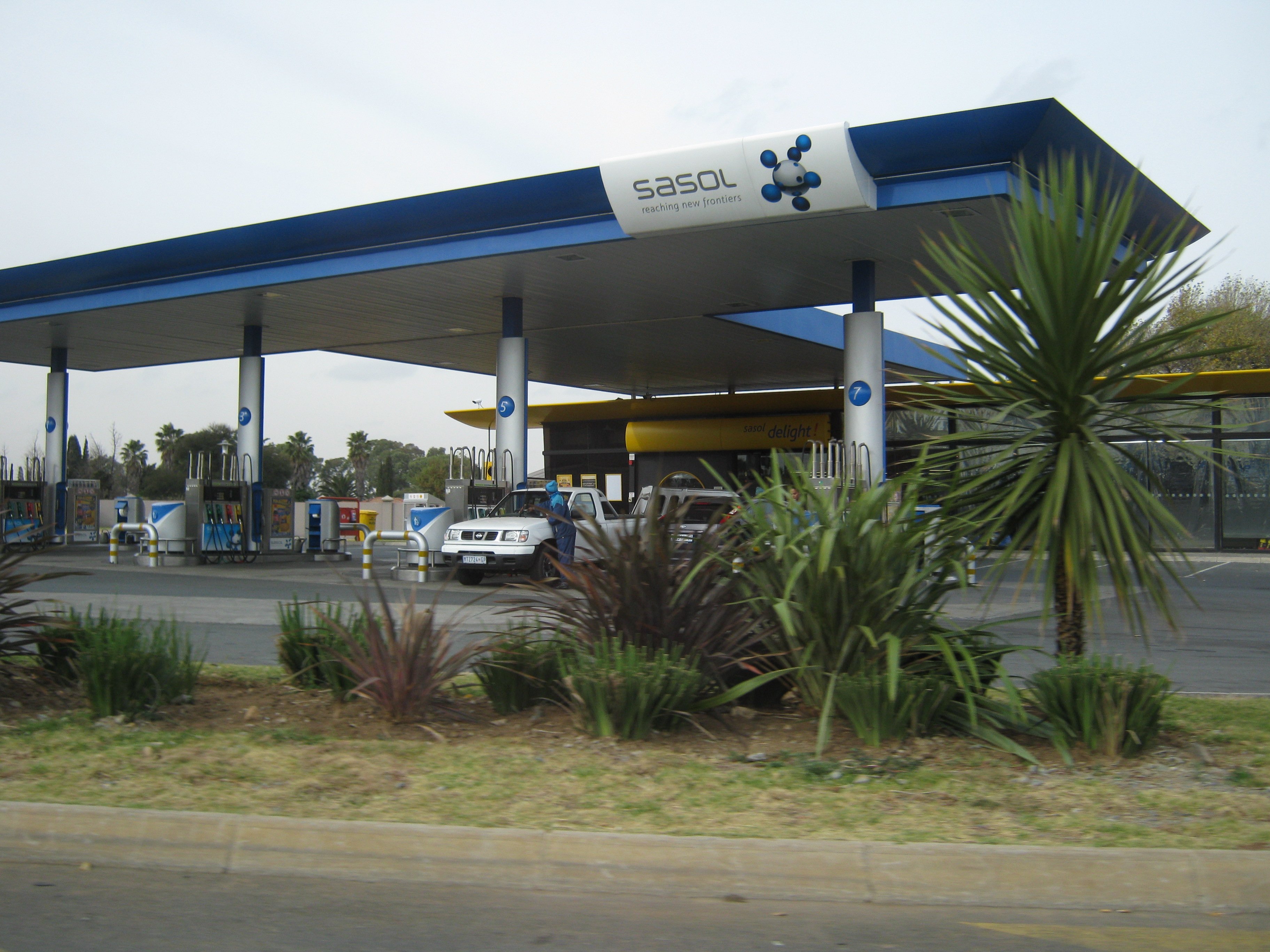
Photo: Part Time Security / Wikimedia Commons, Public domain
Which South African fuel plants still work, and which are dead?
Here is the full list, built from the BusinessTech report and Swart's comments.
| Plant | Where | Raw material | Status |
|---|---|---|---|
| SAPREF | Durban | Imported crude, 180,000 barrels a day | Idled 2020, shut for good after 2022 floods |
| ENREF | Durban | Imported crude, 120,000 barrels a day | Closed 2020 after a fire |
| PetroSA gas-to-liquids | Mossel Bay | Natural gas | On standby, no gas to feed it |
| Natref | Sasolburg | Imported crude | Running |
| Astron | Cape Town | Imported crude | Running |
| Sasol Secunda | Mpumalanga | Coal | Running, about a quarter of demand |
Add the two Durban plants and you get 300,000 barrels a day of refining that no longer exists.
What happened to the Durban refineries, and will they come back?
SAPREF was one of the two biggest crude refineries in the country. It was put on pause in 2020 for money reasons. Then the 2022 floods did the damage, and it was shut for good.
ENREF had a bad fire in 2020 and never reopened.
There is a plan to bring SAPREF back, and it is big. It is a proposed R117 billion rebuild that would lift capacity to 400,000 barrels a day, and maybe 650,000. That is more than double what SAPREF made at its best.
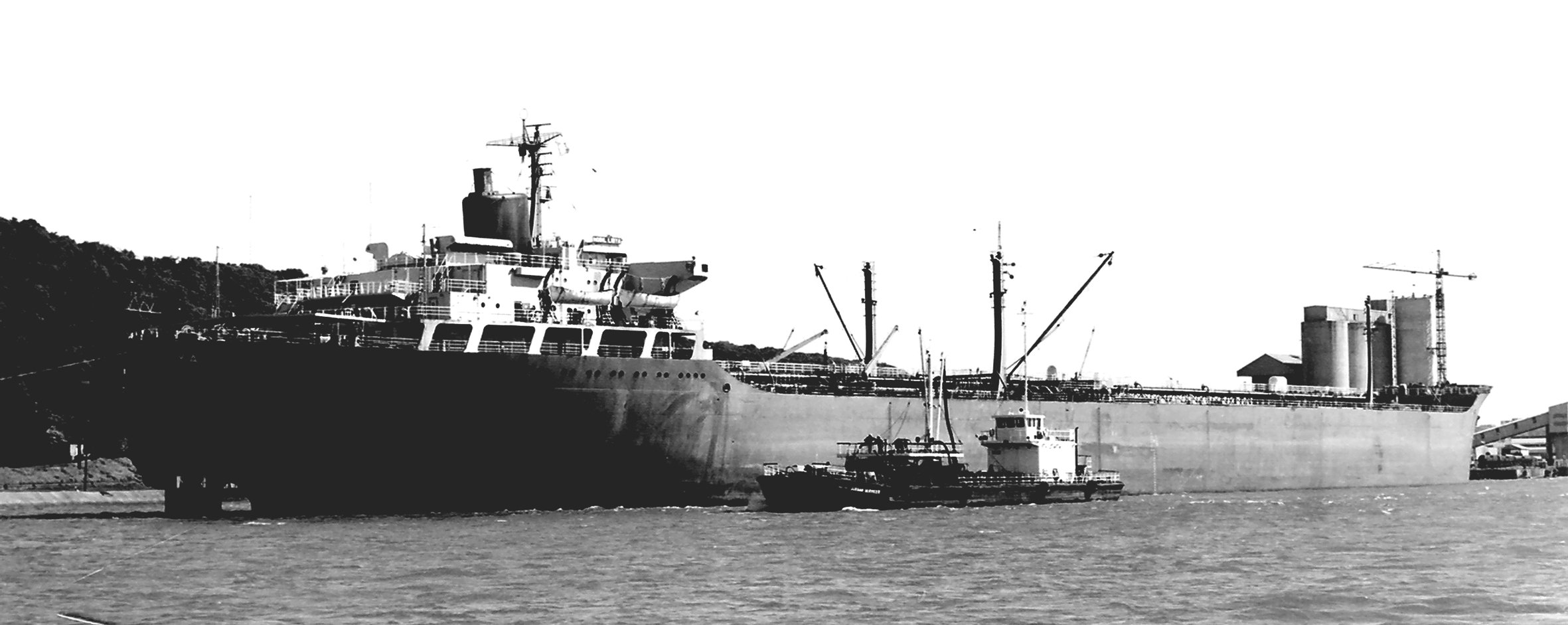
Photo: Robert A Wilson / Wikimedia Commons, CC BY-SA 4.0
The analyst is not holding out hope. New builds like this overrun their plans, the analyst says, so it will take "five to probably ten years." Even with extra money, the problems would take several years to fix.
Who gains when the fuel price jumps?
Sasol does, says Swart. Fuel is a world commodity, so South African prices follow what an imported litre would cost. That is called import parity.
When oil rises, Sasol's coal does not get more expensive. But it sells at the higher price. Swart says that pushes its profit up by a lot.
This is one reason the pump price is so hard to bring down. We took the R30.25 litre apart in where the money goes at the pump, and the Treasury's reasons for keeping the tax are in why the fuel levy was not cut.
Is 30 days of crude really all the tank holds?
Gwede Mantashe, the Minister of Mineral and Petroleum Resources, answered a question in Parliament from MP Mikateko Mahlaule. He said the Strategic Fuel Fund holds 6.9 million barrels.
He measured that against the 200,000 barrels a day that local refineries process. That gives about 30 days of crude. His own sums actually come to 34.5 days, but he rounds it down.
Other people use a different yardstick. Analysts Crompton and Young have put total fuel demand at about 600,000 barrels a day. Spread across that, 6.9 million barrels lasts about 11 days. Part of that demand is covered by Sasol's coal fuel, which would stretch it, but not to 30.
Mantashe says the sector has shown resilience during the Iran war. He also admits that shrinking refining capacity leaves the country open to world shocks. His department has now published a draft Strategic Stocks Policy. In June he floated a plan to hold 60 days of net imports.

Photo: Tom Corser / Wikimedia Commons, CC BY-SA 3.0
How long is a new refinery compared to the tank?
Do the maths. Five years is 1,825 days. Ten years is 3,650 days.
The national tank covers 30. A new refinery, on Swart's timeline, takes between 60 and 120 times longer to build than the stockpile lasts.
Natref, Astron and Secunda are working. Two Durban sites are dark. The tank lasts about a month, and its replacement takes a decade.
And the Iran war has not even finished yet.
Sources5
- BusinessTech, South Africa is producing nearly 40% less fuel than it did seven years ago (10 Oct 2026), shared by @BusinessTechSA
- EWN, Mantashe assures Parliament SA won't run out of fuel (30 Sep 2026)
- Parliamentary question NO721 to the Minister of Mineral and Petroleum Resources
- Daily Investor, no one knows how much fuel South Africa has in reserve
- Business Report, SA moves to build a 60-day strategic fuel reserve (11 Jun 2026)
The week's biggest stories, every Monday
One email. The stories everyone will be talking about, before they do.
Free. One email a week. Unsubscribe anytime.Keep reading
 MoneyR31 billion a year to deposit and withdraw cash, and what each bank charges
 MoneyRed Bull paid Christian Horner £100 million after sacking him. Every figure from the accounts
 MoneyDrug company gifts change prescriptions, a 93-study review finds