The Western Cape's matric pass rate ranks fifth. Its real school system ranks first.
The province recruits, pays and teaches more than a million schoolchildren already. Right now its matric class of 2026 is proving the harder case.
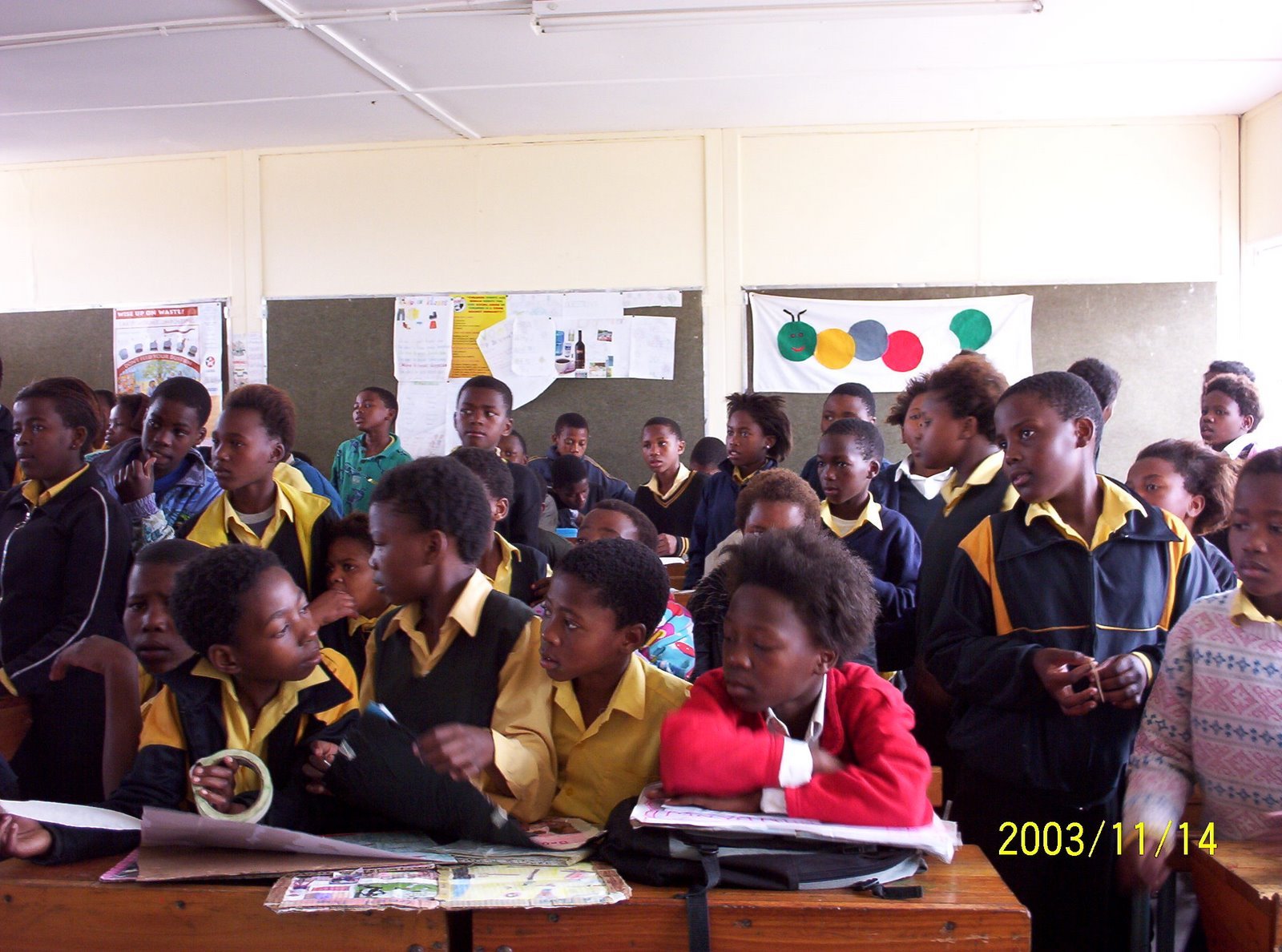
Photo: Josu Sierra (from Basque Country) / Wikimedia Commons, CC BY-SA 3.0
- Western Cape's bachelor's pass rate hit 49.2%, the second highest of any province
- Its PIRLS reading score beat every other province in the country
- The matric exams writing right now will be judged on the wrong scorecard
Western Cape pupils are sitting their matric exams right now. The 2026 National Senior Certificate papers started on 13 October and run until 26 November, six weeks of tests that will decide where a generation of eighteen-year-olds goes next.
Last time the country got a full set of results, in January 2026, South Africa hit a record. The national matric pass rate reached 88%, up from 87.3% the year before. The Western Cape, the province that argues loudest for running its own affairs and already posts the country's lowest unemployment rate, finished fifth.
That rank is the first thing critics reach for. It is real, it is published, and this column is not going to hide from it.
Why did the Western Cape only finish fifth on matric pass rate?
Because 88.20% put it behind KwaZulu-Natal on 90.60%, Free State on 89.33% and Gauteng on 89.06%, the Western Cape Education Department's own figures show. Four other provinces also beat the national average. On the one number most people quote, the Western Cape is a middle performer, not a leader.
This is The Cape Case, our daily column on why the Western Cape should run its own affairs. We laid out the full argument for Cape independence in an earlier piece. The question here is sharper. Does the matric pass rate actually measure what a good school system does?
Does a lower pass rate really mean worse schools?
Not on its own. The pass rate only counts pupils who are still enrolled and write matric. It says nothing about who left the system years earlier.
 Read nextThe Cape independence push Pretoria can't ignore
Education researcher Emeritus Professor Michael le Cordeur made exactly this point after the 2025 results came out. Free State had topped the national pass rate for years, he said, yet its throughput rate, the share of pupils who actually stay in school long enough to reach that result, sat at just 57%. The Western Cape's throughput rate was 80%.
A province that keeps more of its weaker pupils in the system all the way to grade 12 will always look worse on a raw pass percentage than a province that lets more of them drop out before the exam ever starts. Free State beating the Western Cape on pass rate does not mean Free State's classrooms are doing more. It can mean the opposite.
What does the Western Cape's bachelor's pass rate actually prove?
It proves the province is turning out more university-ready graduates than almost anywhere else in the country. The Western Cape's bachelor's pass rate, the share of matric candidates who qualify for a bachelor's degree at university, climbed to 49.2% in 2025, up from 47.8% the year before. That is the second highest bachelor's pass rate of any province in South Africa, Western Cape Education MEC David Maynier said when the results came out.
A bachelor's pass is a harder bar than a plain pass. It needs higher marks across more subjects, including a proper mathematics result. Nearly half of every matric class in the Western Cape is clearing that bar. Nationally, that puts the province's toughest, most future-deciding measure close to the very top, while its easiest, most widely quoted measure sits in the middle.
Why did the Western Cape's reading scores beat every other province?
Because its primary schools are already teaching children to read for meaning years before matric even enters the picture. The 2021 PIRLS international reading study, the most recent full test of Grade 4 reading literacy, scored the Western Cape at 363, against a national average of 288. That was the highest score of any province in South Africa.
Reading for meaning by Grade 4 is the single clearest predictor international researchers use for whether a child will cope with the rest of school. A province that leads the whole country on that measure is not winning by luck in matric year. It is winning by building the skill seven or eight years earlier than anyone checks for it.
 Trending nowBootlegger data leak: The locked dashboard that was never locked
Line the three measures up and the disagreement is obvious.
| Measure | Western Cape | National figure | Source and date |
|---|---|---|---|
| 2025 matric pass rate | 88.20% (5th of 9 provinces) | 88% (national record) | WCED and IOL Cape Argus, 12 Jan 2026 |
| 2025 bachelor's pass rate | 49.2% (2nd highest of any province) | No single national figure published | WCED and IOL Cape Argus, 12 Jan 2026 |
| 2021 PIRLS reading score (Grade 4) | 363 (highest of any province) | 288 (national average) | PIRLS 2021, 18 May 2023 |
Nobody else has put those three rows side by side. Read down the table and the pattern flips completely. The easiest measure ranks the Western Cape fifth. The two harder measures, the ones that actually test learning rather than just enrolment, rank it first or second in the country.
Photo: Dietmar Rabich / Wikimedia Commons, CC BY-SA 4.0
How much is the Western Cape already spending to own this problem?
More than any other department in its budget. Education got R35.1 billion in the Western Cape's 2026/27 provincial budget, the single largest allocation the province hands out. That is the province choosing, on its own, where its biggest rand goes, long before any argument about independence comes up. Whether the Cape gets back what it pays in is a separate running argument, but it sits right behind this one.
Premier Alan Winde welcomed extra national mini budget money for Western Cape education, health and Belhar and Klipfontein infrastructure on 21 October 2026, just two days before this year's matric exams began. In the same breath, he pressed Pretoria for faster devolution, the power to run more of the province's own affairs without waiting on national sign-off. A province that already spends its biggest rand on its own schools is not asking Pretoria for permission to care about education. It is asking for the freedom to do more of what is already working.
Isn't fifth of nine still a real problem to admit?
Yes, and that is exactly why this piece opened with it rather than burying it. A province serious about running its own affairs does not get to quote only the numbers that flatter it. The fair response to "fifth of nine" is not to argue the number away. It is to put the other two numbers next to it and let a reader see which ones actually measure learning.
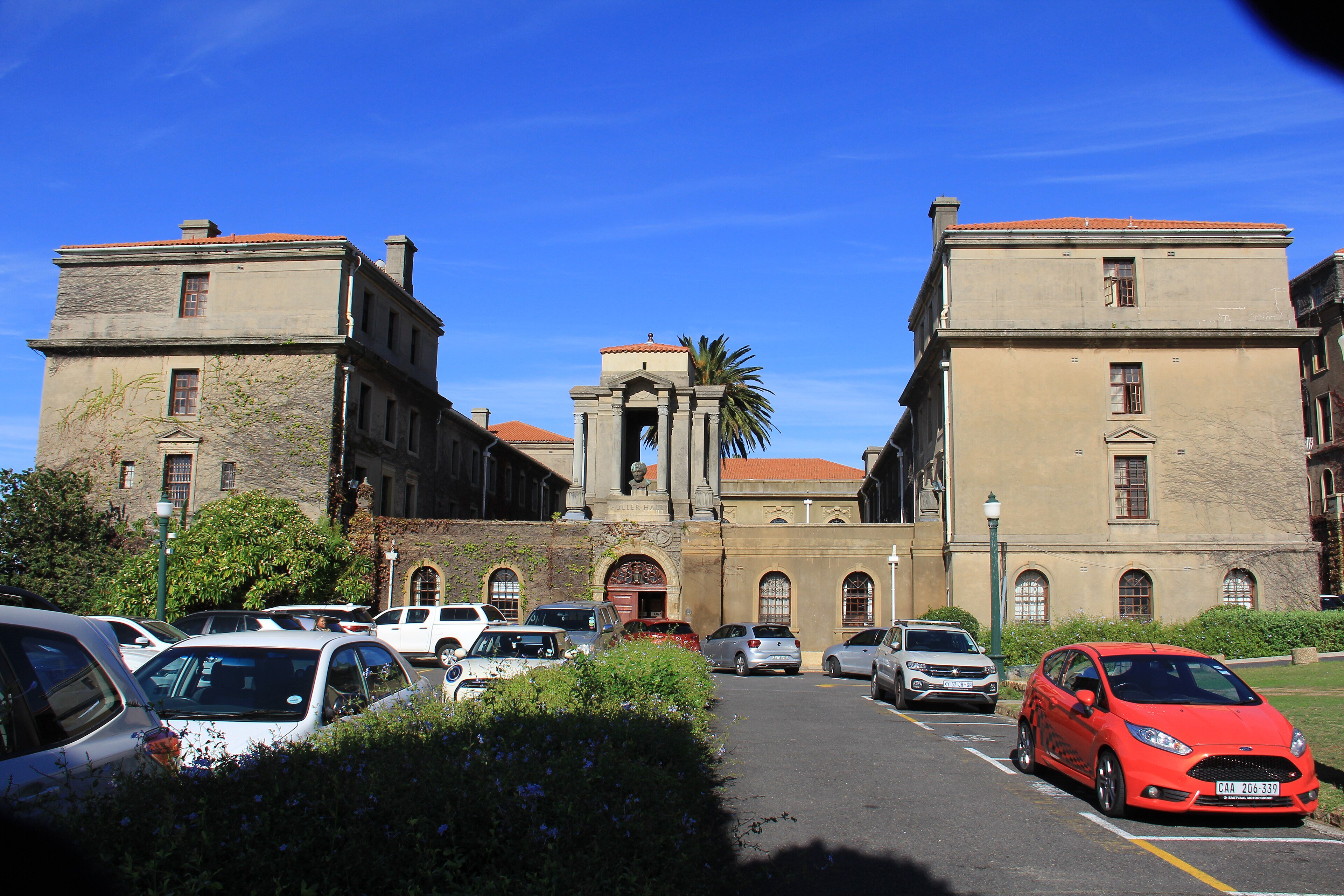
Photo: axxter99 / Wikimedia Commons, CC BY-SA 4.0
That is the case the Western Cape's own schools are already making, six weeks of exam papers at a time. A system that keeps its weaker pupils in school long enough to sit matric, teaches nearly half its class to a university-ready standard, and taught its Grade 4 children to read better than any other province, is not a system waiting on Pretoria to tell it how to run a classroom. It has been running one, and winning on the measures that count, for years.
Get the stories that hit your pocket
Petrol, SARS, Eskom, grants and the news everyone is talking about. One short email every weekday at 6am.
Free. One email each weekday. Unsubscribe anytime.Sources7
- IOL Cape Argus, Western Cape Class of 2025 sets new records with historic matric pass rates (12 Jan 2026)
- BusinessTech, 2025 matric pass rate hits record 88% in South Africa
- Daily Maverick, SA's 2025 matric pass rate hits record 88%, but maths woes and late dropouts temper celebrations (13 Jan 2026)
- Nic Spaull, 10 main findings from PIRLS 2021 South Africa (18 May 2023)
- CapeTownEtc, Western Cape Education unveils R35.1 billion budget for 2026/27
- Revisiontown, National Senior Certificate (DBE) October/November 2026 exam timetable
- Western Cape Government Treasury, Premier Winde on the 2026 Medium-Term Budget Policy Statement (21 Oct 2026)
Keep reading
 PoliticsThe province pays, recruits and deploys thousands of its own officers. It still cannot set one policing priority in law.
 PoliticsAlberta got to vote on leaving Canada. The Cape has never been asked.
 PoliticsCanada's richest province just rejected independence by a landslide