A Canadian province just asked its people one question. The Western Cape still cannot.
Opinion. Five democracies have let a region vote on its own future since 1995. All five are still standing. The Western Cape has never been given the ballot.
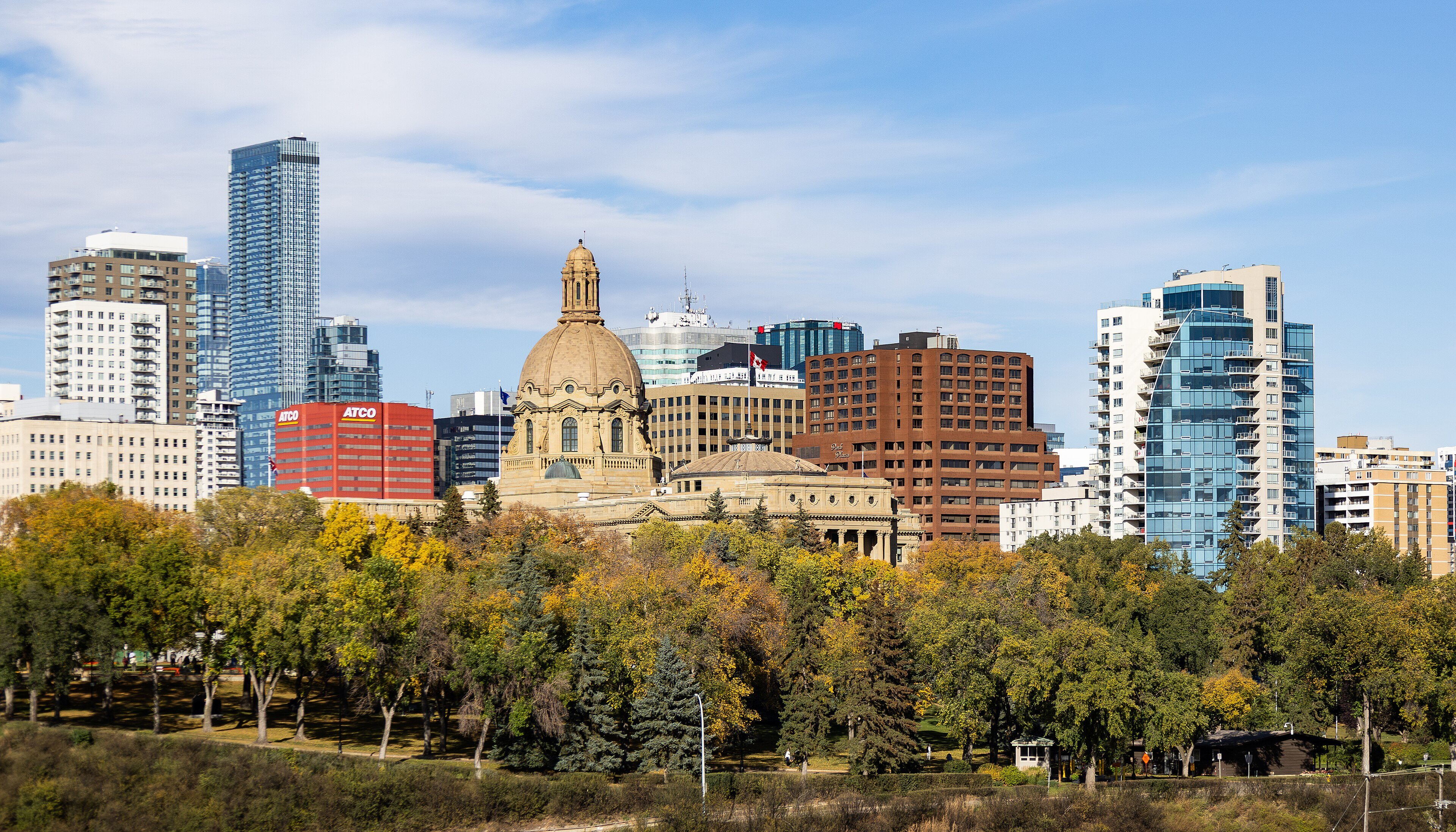
Photo: Chris Woodrich / Wikimedia Commons, CC BY-SA 4.0
- Albertans voted 75.3% to stay in Canada on 19 October 2026, and the country did not fall apart
- Every democracy that has let a region vote on independence is still standing afterwards, win or lose
- The Western Cape has never once been given an official vote on its own future
On Monday 19 October 2026, Alberta put a ballot with ten questions to its own voters. Question ten asked something no South African province has ever been allowed to put to its own people. Should Alberta begin the legal process toward a vote on leaving Canada?
Albertans said no, clearly. With most ballots counted, 75.3% voted to stay in Confederation against 24.7% who wanted to start the separation process, Bloomberg reported the next day. Elections Alberta expects turnout of 80% to 85% once it confirms the final count on 29 October.
Canada did not break. The premier who pushed for the vote is still premier. The only thing that changed is that millions of Albertans got to answer a question about their own future, instead of Ottawa answering it for them.
Five referendums, five different democracies, and every one of them is still standing the morning after the vote.
That is the real lesson from Alberta, and from every vote like it since 1995. The vote itself is the democratic act. A country that lets a region ask is stronger for it, whichever way the vote goes.
This is The Cape Case, our daily column on why the Western Cape should run its own affairs. We laid out the full argument for why the Cape wants out in an earlier piece. Today's question is not whether the Cape should leave, but whether it should ever be allowed to vote on it.
What did Albertans actually vote on this week?
Alberta's ballot bundled ten questions, nine on immigration and the constitution and one on separation. Question ten did not ask "should Alberta leave Canada." It asked whether the province should start the legal process toward a future, binding vote on leaving.
 Read nextThe Cape independence push Pretoria can't ignore
Albertans rejected even that first step, by roughly three to one. Premier Danielle Smith had pushed for the vote after a citizen petition forced her hand. Nobody needed to guess what Albertans wanted, because Albertans were simply asked.
Has any democracy fallen apart after letting a region vote?
No, not once since 1995. Here is every major case, lined up side by side.
| Place and year | Date | Question put to voters | Result | Turnout |
|---|---|---|---|---|
| Quebec, Canada, 1995 | 30 Oct 1995 | Should Quebec become sovereign after offering Canada a new partnership? | No 50.58%, Yes 49.42% | 93.52% |
| Scotland, UK, 2014 | 18 Sep 2014 | Should Scotland be an independent country? | No 55.3%, Yes 44.7% | 84.6% |
| Catalonia, Spain, 2017 | 1 Oct 2017 | Do you want Catalonia to become an independent republic? | Yes 90.18%, No 7.83% (disputed, Spain called it illegal) | 43.03% |
| United Kingdom, Brexit, 2016 | 23 Jun 2016 | Remain in the European Union or leave? | Leave 51.9%, Remain 48.1% | 72.2% |
| Alberta, Canada, 2026 | 19 Oct 2026 | Start the legal process toward a binding vote on leaving Canada? | No (stay) 75.3%, Yes 24.7% | Official count due 29 Oct, expected 80% to 85% |
Sources: Elections Alberta and Bloomberg (Alberta, 2026), Government of Canada Library of Parliament (Quebec, 1995), UK House of Commons Library and Electoral Commission (Scotland 2014 and Brexit 2016), CNN (Catalonia, 2017).
Four of those five votes went against independence. Catalonia went for it, under a turnout so low and contested that Spain never recognised the result. Every country on that list is still a country.
Why has Quebec asked twice and stayed Canadian both times?
Quebec has done this twice, in 1980 and again in 1995, and lost both times. The second vote came down to a single percentage point. Quebec still runs its own language laws and elects its own provincial government, and nobody in Ottawa pretends the question is settled forever.
Asking does not break a country. It tests it. Canada let one of its biggest provinces hold two real votes on walking away, and Canada is still Canada, bilingual and intact, three decades later.
Has the Western Cape ever been given this choice?
Never, in any form that counts as an official vote.
The closest the province has come is the Democratic Alliance's Provincial Powers Bill, tabled in May 2023, asking for control of policing, rail, energy, trade and harbours. Pretoria has mostly said no to it, and the bill still has no date for a vote of any kind.
 Trending nowBootlegger data leak: The locked dashboard that was never locked
The loudest voice for a formal referendum, the Cape Independence Advocacy Group, cannot call one either. Only the premier can ask Pretoria for permission, and no premier has done so. The group has commissioned its own polling instead, through Victory Research, finding 60% of Coloured voters and 47% of white voters back independence, against 16% of Black voters. That is a private poll, not a ballot. Albertans got an official count from their own election authority. The Cape has only ever had an opinion survey paid for by campaigners.
What would the Cape actually be putting to a vote?
Here the Cape differs from the table above. Quebec and Scotland argued from identity and grievance. The Cape's argument starts from a scoreboard.
The Western Cape's official unemployment rate was 19.5% in the second quarter of 2026, the lowest of any province and nearly half the national rate of 33.6%, Stats SA found. The province raises 15.5% of all the tax South Africa collects but gets back only 10.4% of what Treasury hands the nine provinces each year. Its municipalities hold 21 of the country's 39 clean financial audits, more than every other province combined. Its airport passed 11.1 million passengers in 2025, a record, and foreign visitors spent close to R26 billion in the province that year.
None of that is a reason for anger. It is evidence the Cape already runs itself well. A vote would not be the Cape asking permission to succeed. It would be asking whether the people who live with those numbers want to keep deciding things for themselves.
Isn't a referendum just a distraction from service delivery?
Critics say exactly that, and local elections on 4 November will test how much the argument still holds. But Alberta just showed the opposite. A single Monday vote let Albertans settle the question and move on to everything else on the government's plate. A government too nervous to ask is not protecting its people from a distraction. It is protecting itself from an answer it has not bothered to test.
Five of the world's biggest independence votes have been held since 1995, and every government that allowed one still stands. The Western Cape has sent in more tax, built more clean municipal books and welcomed more visitors than almost any province, and it has never once been handed the ballot that would let its own people say what they want.
Ask the question, and whatever the answer, the Cape walks away with something it has never had. Proof.
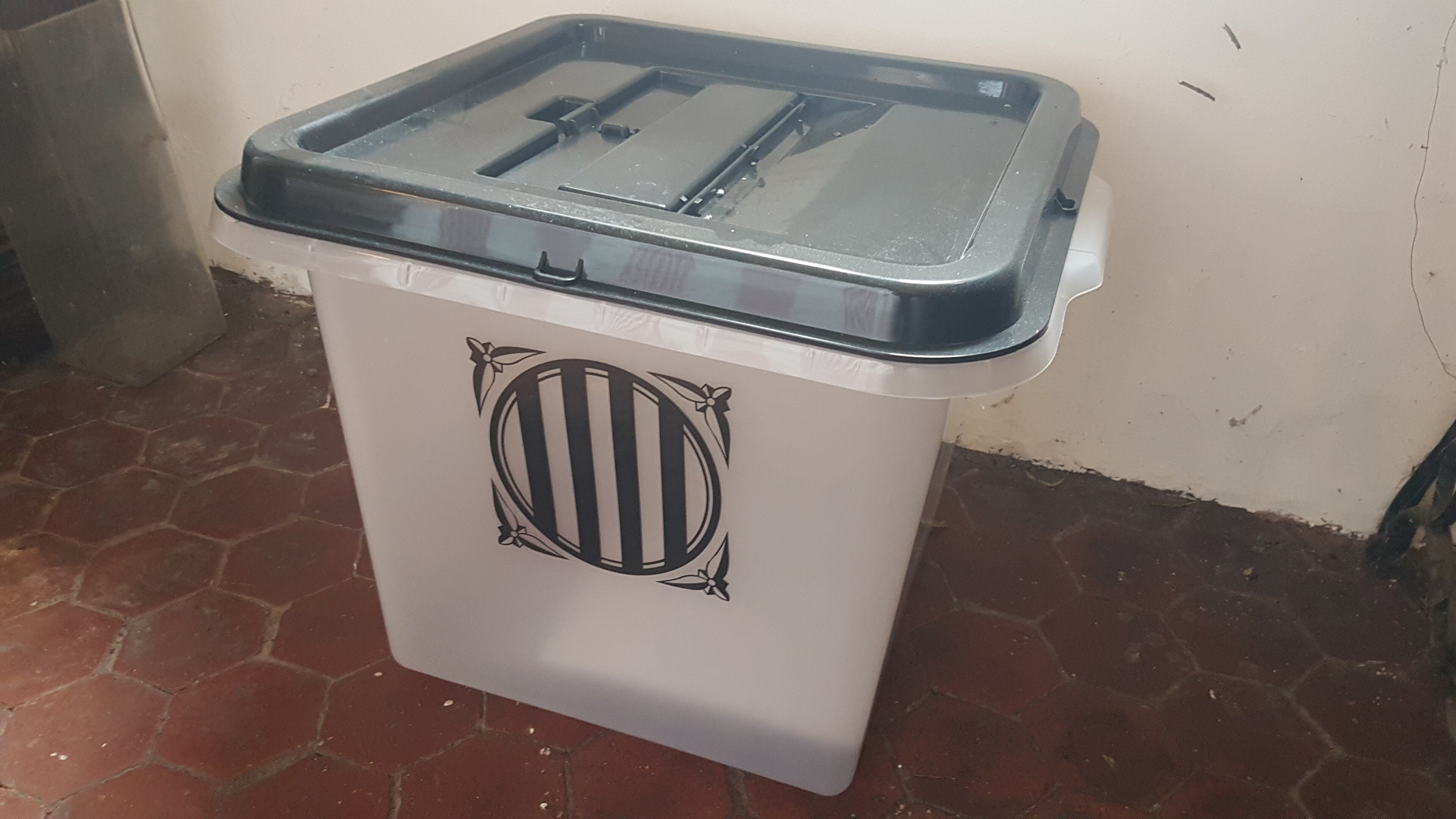
Photo: Fabricio Cardenas / Wikimedia Commons, CC BY-SA 4.0
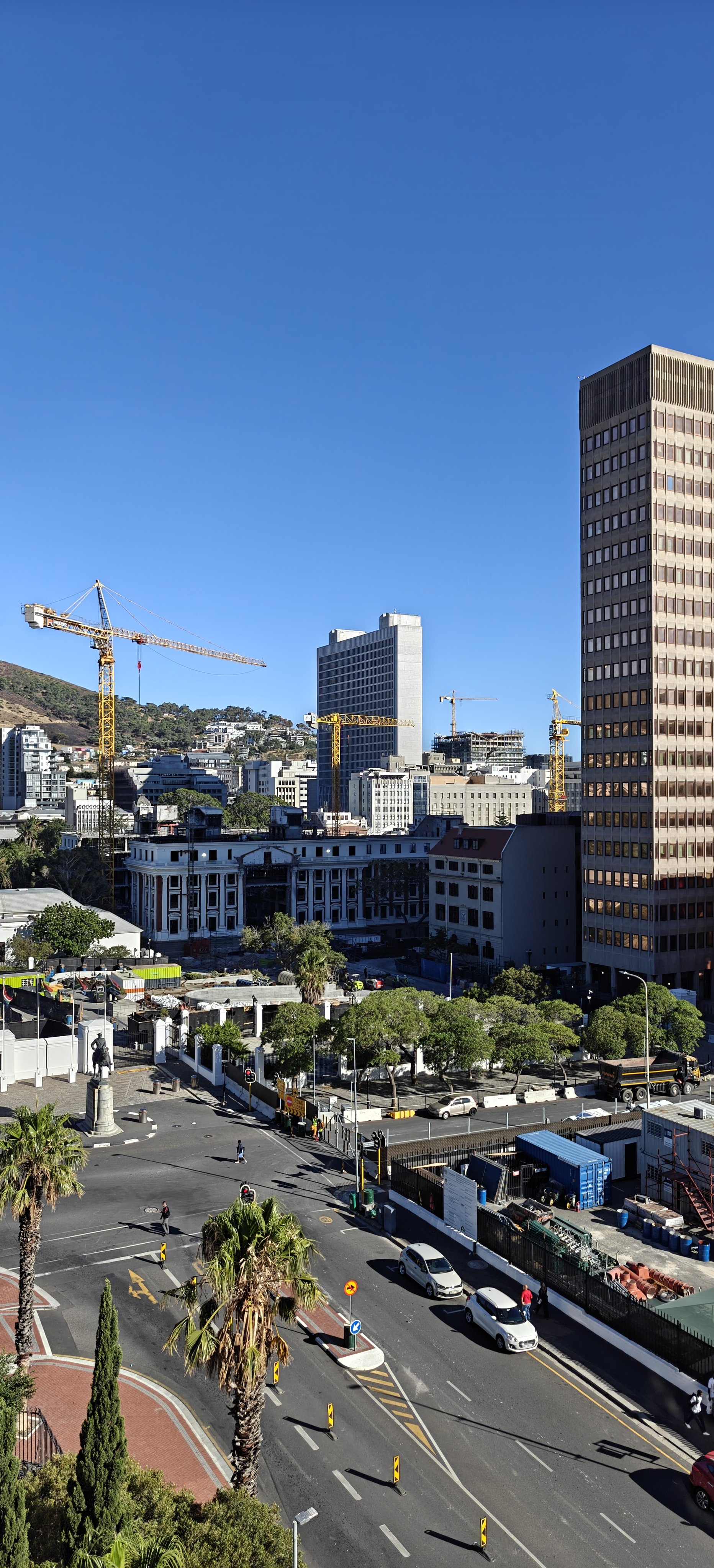
Photo: Husskeyy / Wikimedia Commons, CC BY-SA 4.0
Get the stories that hit your pocket
Petrol, SARS, Eskom, grants and the news everyone is talking about. One short email every weekday at 6am.
Free. One email each weekday. Unsubscribe anytime.Sources11
- BNN Bloomberg, Albertans vote to reject a referendum on separation (20 Oct 2026)
- Government of Canada, Library of Parliament, background on the 1995 Quebec referendum result and turnout
- UK House of Commons Library, Scottish independence referendum 2014, result and turnout
- UK Electoral Commission, report on the 23 June 2016 EU membership referendum
- CNN, Catalonia referendum result poses crisis for Spain (1 Oct 2017)
- IOL, SARS and Treasury 2025 Tax Statistics, Western Cape's 15.5% share of tax revenue (5 Dec 2025)
- IOL, Western Cape receives 10.4% of the provincial equitable share (11 Dec 2025)
- Stats SA, Quarterly Labour Force Survey, Quarter 2 2026, Western Cape's 19.5% unemployment rate
- TimesLive, Auditor-General municipal audit outcomes 2024/25 by province (24 Jun 2026)
- DA, Western Cape Provincial Powers Bill introduced (May 2023)
- Cape Independence Advocacy Group / Victory Research, provincial polling by race
Keep reading
 PoliticsHow the Cape beat Day Zero and why it matters for independence
 PoliticsWhy South Africans keep packing up for the Cape
 PoliticsThe Cape trades like a country. It should get to act like one