3.4 Million Will Vote in the Cape. For Only Half the Power.
Opinion. On 4 November, 3.4 million people in the Western Cape get to vote again, just not on the one question that would actually change their province's income.
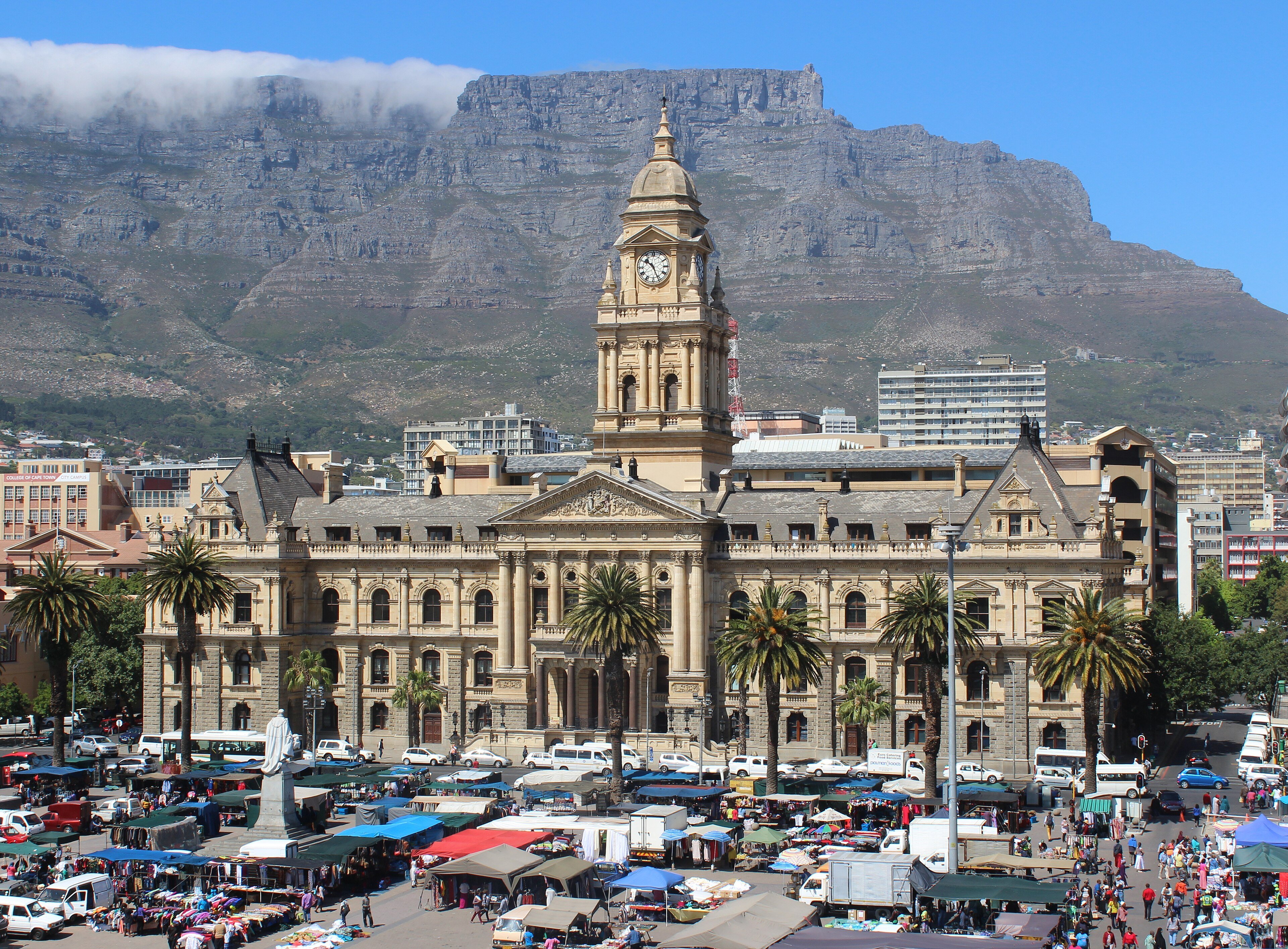
Photo: Martinvl / Wikimedia Commons, CC BY-SA 4.0
- 3,456,591 Western Cape voters choose their council on 4 November
- The same party has run Cape Town for more than 20 years straight
- The province pays 15.5% of South Africa's tax but gets only 10.4% back
3,456,591.
That is how many registered voters in the Western Cape are expected at the polls on 4 November, the Electoral Commission said in September. They will fill out two ballots each, one for a ward councillor and one for a party list, choosing the people who run 868 council seats across the province.
This is The Cape Case, our daily column on why the Western Cape should run its own affairs. We laid out the full argument for why the Western Cape wants out in an earlier piece. Here we look at what this week's election actually hands voters, and what it still does not.
What can Western Cape voters actually decide on 4 November?
Not as much as it looks like. The councils being elected this week control water and sanitation, refuse collection, municipal roads, and local rates and tariffs. That is the whole list.
14,349 candidates are standing for those 868 seats, with 106 parties registered to contest across the province, up from 96 in 2021. In the City of Cape Town alone, 118 wards and 55 parties are on the ballot. If you want the practical details of where to vote and what to bring, our guide to the 2026 local elections covers that.
What is not on either ballot paper: Who polices the Cape beyond municipal law enforcement, who runs the trains, or who sets the tax rules the province lives under. Those stay exactly where they are no matter how anyone marks their X this week.
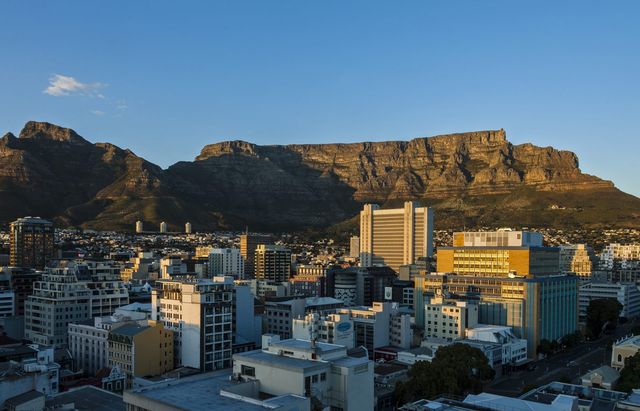 Read nextThe Cape independence push Pretoria can't ignore
More parties are chasing those same limited powers than ever before. Ten more parties registered to contest the Western Cape this year than in 2021, and nearly 40% of all candidates standing are women. None of that extra competition changes what the winning seat is actually allowed to decide.
Why has the same party kept running Cape Town for 20 years straight?
Because, election after election, the city keeps choosing it. The DA won Cape Town with 58.2% of the vote in 2021, down from 66.7% in 2016 but still enough to govern outright. Across the whole Western Cape it took 50.18% of the vote and 82 seats.
That is not an accident of low turnout or a split opposition. It is a direct, repeated, measurable choice by millions of people, backed up by results. The province has carried more clean municipal audits than every other province in the country combined, the one hard number that shows the voters' trust was not misplaced.
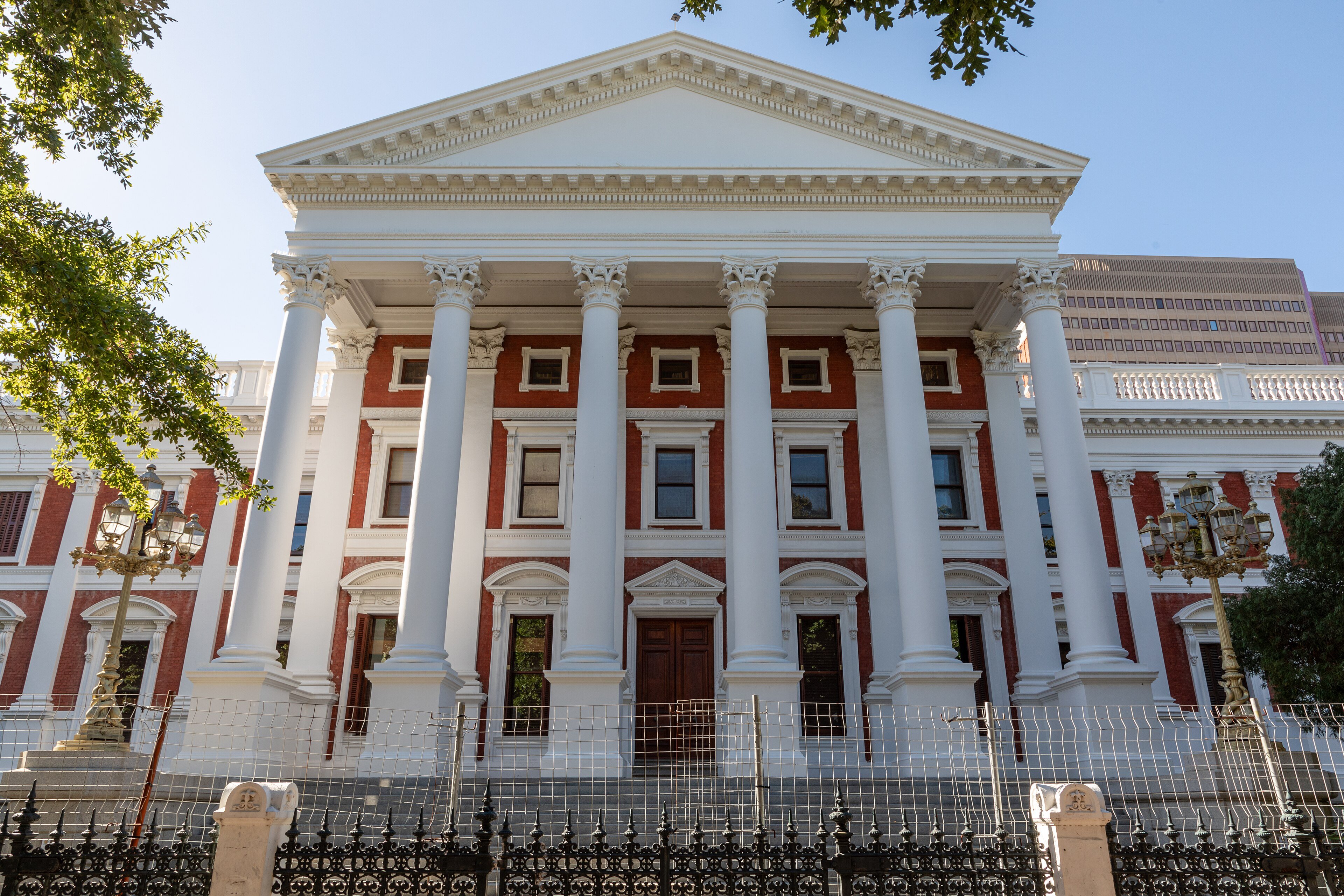
Photo: Dietmar Rabich / Wikimedia Commons, CC BY-SA 4.0
Where does the voters' power actually stop?
Right at the provincial border. Here is the same province, the same voters, split by who actually holds the pen on each decision.
| Power | Who runs it today | Who decides if that changes |
|---|---|---|
| Refuse, water pipes, local roads | Cape Town council, elected this week | Voters, every five years |
| Policing beyond municipal officers | SAPS, a national department | Pretoria. The Police Minister has said he has no power to devolve SAPS |
| Passenger rail (Metrorail) | PRASA, under national Cabinet | A 2028 handover target the city set itself, not yet met |
| Tax raised inside the province | SARS and National Treasury | A national formula, no provincial vote attached |
Three of those four rows never appear on any ballot a Western Cape voter will ever see.
Why does the Cape send more tax north than it gets back?
This is the number that makes the whole case in one line. SARS's own 2025 tax statistics show the Western Cape generated 15.5% of all the tax South Africa collected, the second-highest share of any province after Gauteng.
 Trending nowLeon Lotz: The farmer the world won't believe
What comes back is smaller. Treasury's own figures put the province's share of the national equitable share, the formula that hands money to all nine provinces, at just 10.4%. On top of that, 95.4% of the Western Cape's own provincial budget still has to arrive as a transfer from national government before the province can spend a cent of it on schools, clinics or roads.
Put plainly, the Western Cape sends a bigger slice of the nation's tax money to Pretoria than any formula sends back to it. That gap is decided every year by a national Treasury calculation, not by a provincial vote, and no ballot paper anywhere in the Western Cape asks a single voter what they think the formula should be.
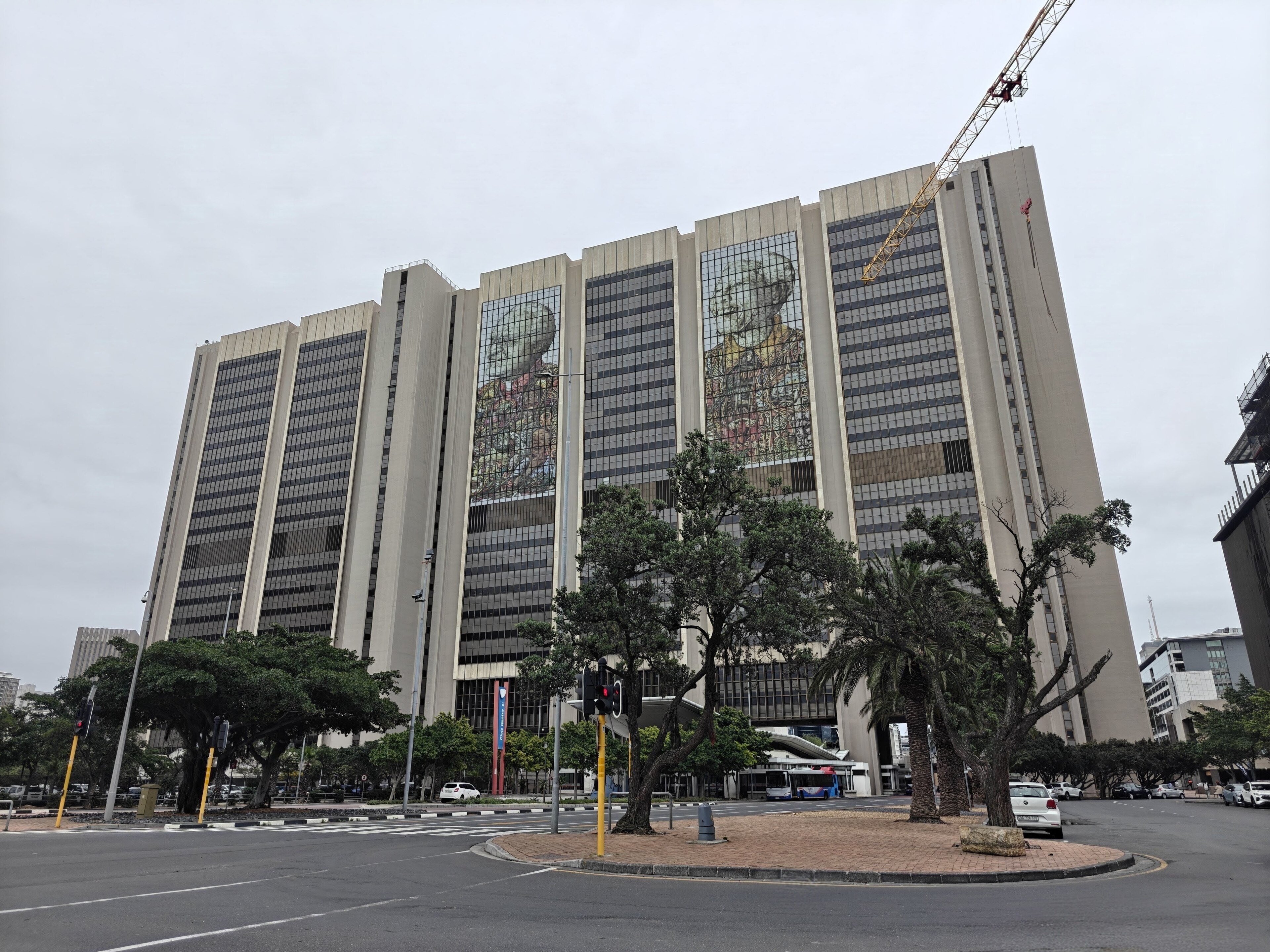
Photo: Husskeyy / Wikimedia Commons, CC BY-SA 4.0
What happened to the one bill that tried to fix this?
In May 2023, DA MPL Christopher Fry tabled the Western Cape Provincial Powers Bill, asking Pretoria to hand the province real control over policing, transport, energy, trade and harbours. The national Police Minister answered that he has no power to give any of that away, citing his department's constitutional mandate to stay centralised. More than three years later, the bill still has not moved.
Critics call any talk of devolution a backdoor route to breaking up the country. The answer sits in the numbers above. A province asking to keep managing what it already manages well, with its own tax money, is not a threat. It is a request to stop losing money and time on a round trip through Pretoria.
So what does 4 November actually change?
Bins get collected and rates bills get set, with potholes filled somewhere in between. A council that has mostly earned its voters' trust gets to keep proving it, one more time, on the one issue it is actually allowed to touch.
The bigger question, the one about who keeps 15.5% of the Cape's tax money and who only hands back 10.4% of it, will not be on any ballot paper this week. It never has been. Every clean audit, every repeat election win, every rand the Cape raises and does not get to spend on its own terms makes the same point a little louder. One day, that question will have to go to a vote too, and on the evidence so far, the Cape already knows how it would answer.
Get the stories that hit your pocket
Petrol, SARS, Eskom, grants and the news everyone is talking about. One short email every weekday at 6am.
Free. One email each weekday. Unsubscribe anytime.Sources8
- IOL, IEC outlines Western Cape readiness for 2026 municipal elections (15 Sep 2026)
- IOL, Battle for Cape Town: full list of parties and candidates, LGE 2026 (28 Sep 2026)
- TimesLive, DA keeps Cape Town but with a reduced majority of 58% (4 Nov 2021)
- IOL, live blog, DA leads Western Cape municipalities vote count (3 Nov 2021)
- IOL, SARS 2025 Tax Statistics Bulletin, provincial tax revenue shares (5 Dec 2025)
- IOL, Western Cape's 10.4% share of the national equitable share (11 Dec 2025)
- IOL, 95.4% of the Western Cape's provincial budget comes from national transfers (7 Apr 2025)
- GoLegal, the Western Cape Provincial Powers Bill explained
Keep reading
 PoliticsCape Town's record building year, and who still controls the money
 PoliticsWho should run trade deals for Cape wine, citrus and rooibos
 PoliticsWho really runs the Port of Cape Town, and who pays when it fails