Who runs the port that cost Cape farmers R4 billion?
The growers who lose the money are all in the Cape. The company that runs the harbour is not.
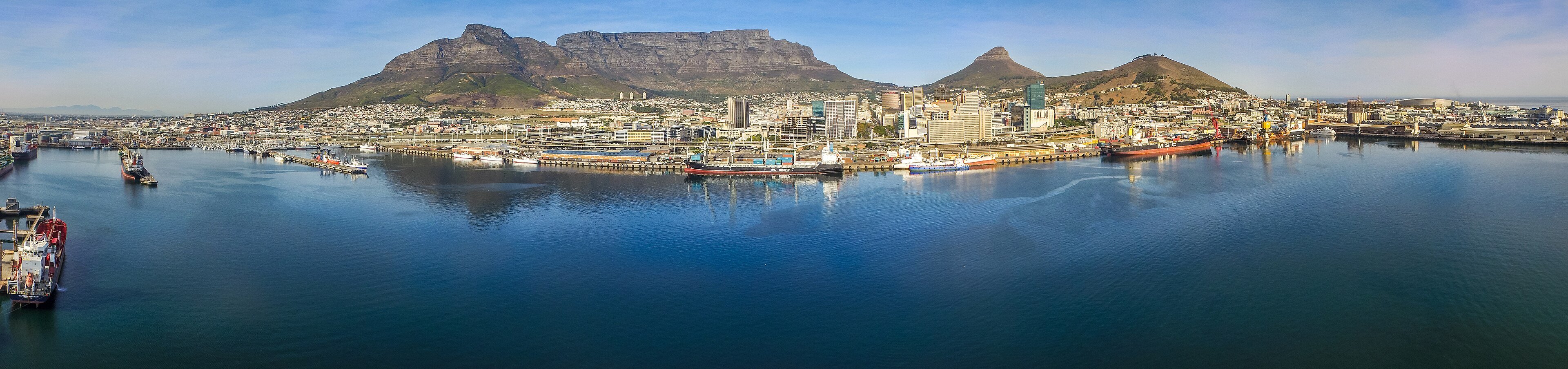
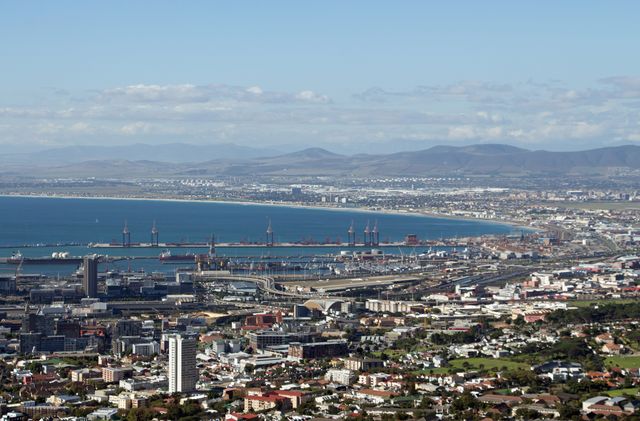
Photo: SkyPixels / Wikimedia Commons, CC BY-SA 4.0
- The Port of Cape Town ranked 400th out of 400 container ports in the world in 2025
- Growers lost R4.25 billion in one export season because of it
- Transnet, a national company based outside the province, runs the port
R4.25 billion.
That is what Western Cape fruit growers lost in one export season, between April 2025 and March 2026, because ships queued and cranes stood idle at the Port of Cape Town. About 55,000 tonnes of table grapes never left through Cape Town at all. Trucks hauled them to ports in the Eastern Cape instead, adding cost to every box.
The fruit grew here. The jobs are here. The R4.25 billion came out of Cape pockets. The decision on how the port runs was made somewhere else.
Who actually decides how Cape Town's port runs?
Not the Western Cape government. Not the City of Cape Town. The port belongs to Transnet National Ports Authority, a company owned by the national government, which leases the land and controls the infrastructure. A second national Transnet company, Transnet Port Terminals, runs most of the cargo operations.
Nine of the port's 11 terminals are already run by private operators, approved by a national authority, with no Western Cape vote in the decision. Transnet is now tendering out a 25-year concession for the last big multipurpose terminal to a private operator too. Exporters have asked for more clarity on the deal. Either way, the choice sits in Pretoria, not in Cape Town.
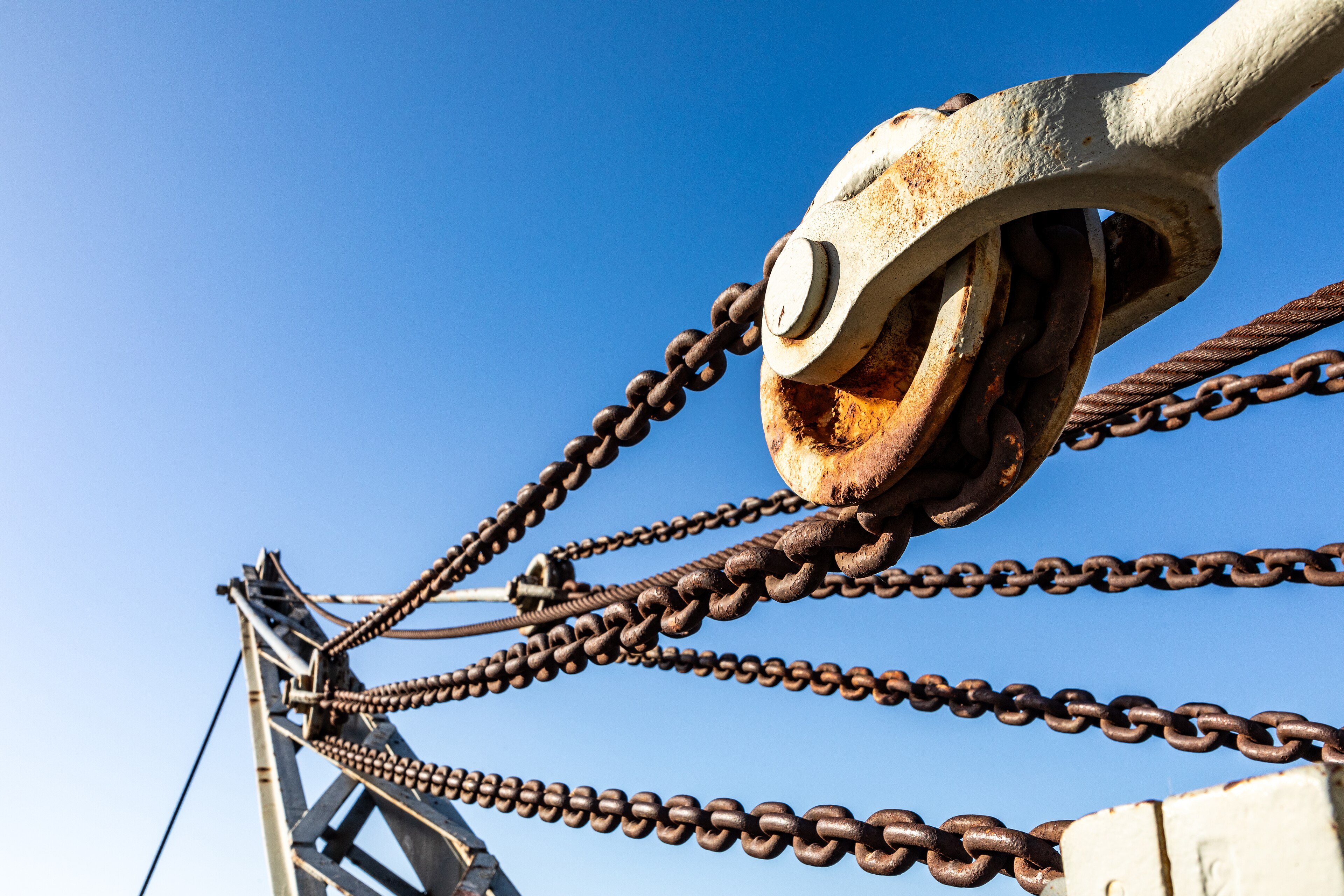
Photo: Dietmar Rabich / Wikimedia Commons, CC BY-SA 4.0
How bad is the port, really?
Bad enough to top a list nobody wants to top. The World Bank's 2025 Container Port Performance Index ranked the Port of Cape Town 400th out of 400 container ports worldwide. Last place. The index blamed persistent weather disruption and unreliable equipment.
 Read nextHow the Cape beat Day Zero and why it matters for independence
Durban improved faster than any other South African port since 2024. Ngqura was the third most improved. Port Elizabeth was the most improved since 2020. Cape Town stayed at the bottom. The same national operator runs all of them, which makes the Cape Town result harder to explain away as a national problem alone.
What did one bad season actually cost Cape growers?
Here is the bill, row by row, each figure dated and sourced, so anyone citing one number can point straight at it.
| What | Figure | When | Source |
|---|---|---|---|
| World ranking | 400th of 400 container ports, worst on earth | 2025 World Bank CPPI, reported 22 Jun 2026 | Business Day |
| Table grape sector loss | R3.2 billion, plus about 55,000 tonnes diverted to Eastern Cape ports | 2025/26 export season | Business Day, CBN |
| Stone fruit sector loss | R1.05 billion | 2025/26 export season | Business Day |
| Combined grower loss | R4.25 billion | 2025/26 export season | Business Day |
| Transnet's own turnaround claim | 103 hours down to 58 hours | 2023/24 to the latest reported figure | Business Day |
| Port call times, logistics platform data | improved 33% year to date | 2026 so far, versus the same months in 2025 | IOL |
A single number tells most of the story: R4.25 billion lost by growers in one season, in a province whose entire budget for a year is R93.5 billion. That is almost 5 cents of every rand the province has to spend, gone to a port problem it did not get to vote on.
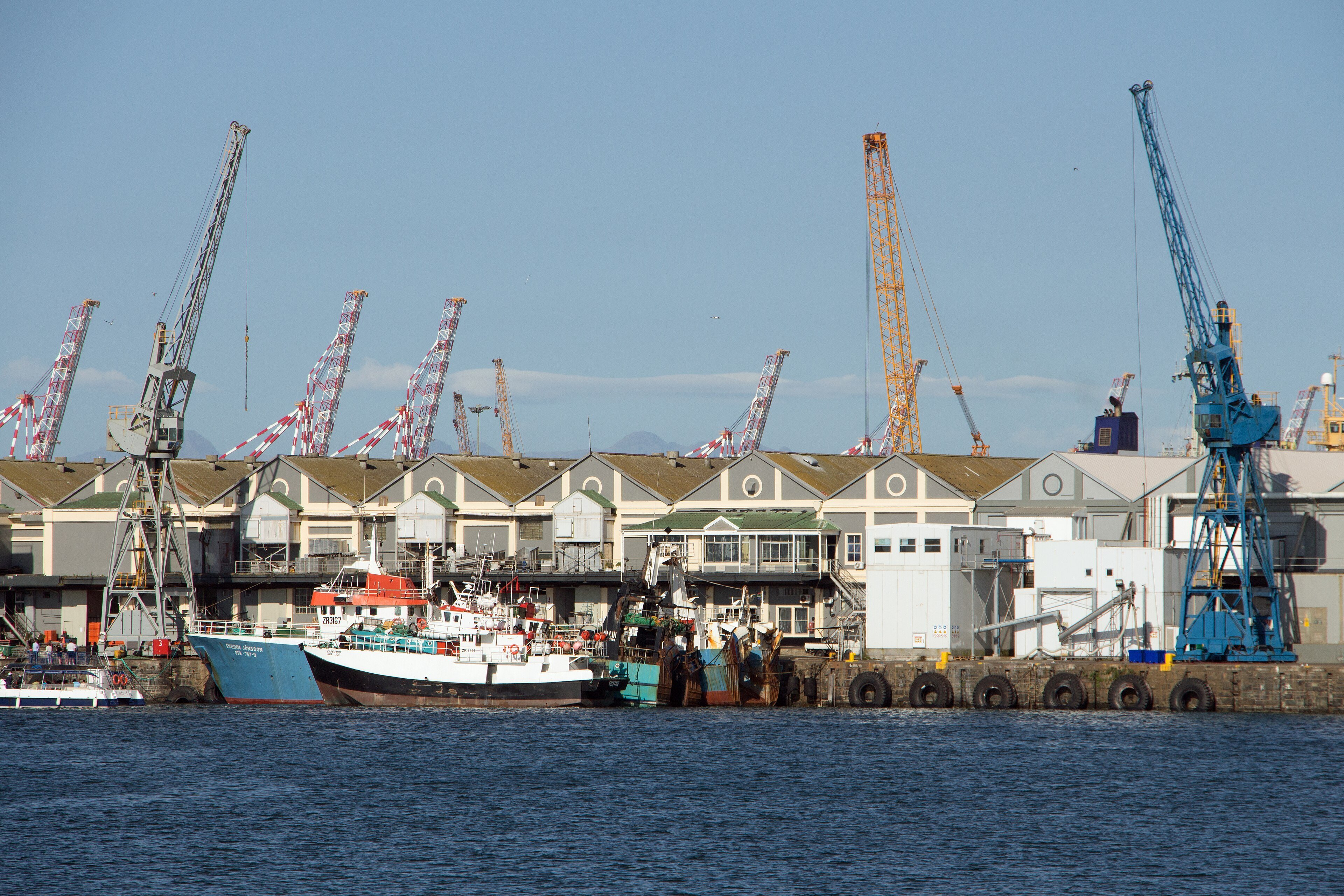
Photo: HelenOnline / Wikimedia Commons, CC BY-SA 4.0
Is Transnet fixing it?
Give Transnet its due. The company says average ship turnaround at the Cape Town container terminal improved from 103 hours in 2023/24 to 58 hours, helped by faster terminal handling and fewer delays at sea. Container volumes in the first quarter of the 2026/27 year ran 16% higher than the year before, Transnet's own figures show.
 Trending nowPinetown dad fires back at gunmen at his gate, and what the law says
That is real progress. It still was not enough to lift Cape Town off 400th place in the 2025 ranking. Every other major South African port moved up the national improvement table. Cape Town did not move off the bottom of the world one. Fixing the hours a ship waits is not the same as fixing the reason growers keep losing money.
What is the Western Cape's four-point plan, and who has to say yes?
In June 2026 the Western Cape government set out four steps to lift the port off the bottom. It would engage the World Bank's own team on how the ranking is calculated. It would work with Transnet National Ports Authority, Transnet Port Terminals and Transnet Freight Rail on ship scheduling, container stacking and wind delays. It would coordinate with exporters and importers on peak congestion. And it would put port performance at the centre of a 2027 stakeholder dialogue.
Read every point again. Every one of them depends on Transnet agreeing to show up and cooperate. Some critics argue that handing one terminal to a private operator, as Transnet is now doing, should be the first step toward handing over the whole port. The province that pays the R4.25 billion bill has to ask the company in Pretoria for a seat at its own table.
That is the same pattern behind the bigger push for Western Cape independence, where a province with its own budget, its own clean audits and its own growth rate keeps needing permission from national government to fix the things that cost it money. Cape Town tried the same move with its passenger rail network, building its own business plan to take over Metrorail rather than wait for Pretoria.
What would change if the Cape ran its own harbour?
The numbers say the upside is real. The port's container logistics chain already contributes about R69 billion to the Western Cape economy and supports about 225,000 jobs, Western Cape government research shows. An efficient port, the same research found, could unlock about R6 billion in extra exports and 20,000 more jobs.
That is the case, made with Transnet's own turnaround numbers and the World Bank's own ranking, nothing invented and nothing stretched. The fruit and wine exporters who keep the province's trade numbers growing already know where the weak link sits. A province that can win a clean audit nine years running and grow faster than the rest of the country can run a harbour. It just has to be allowed to try.
Hand the Cape its own crane, and watch how fast 400th place stops being the story.
Get the stories that hit your pocket
Petrol, SARS, Eskom, grants and the news everyone is talking about. One short email every weekday at 6am.
Free. One email each weekday. Unsubscribe anytime.Sources7
- Business Day, Cape Town ranked worst container port again (22 Jun 2026)
- IOL, Cape Town stays bottom of global port rankings despite gains
- IOL, Western Cape unveils 4-point plan to lift Cape Town port from bottom of global rankings (25 Jun 2026)
- IOL, Concerns arise over TNPA's private operator bid for Cape Town port (23 Jul 2026)
- Splash247, Transnet launches 25-year Cape Town terminal concession
- CBN, Port of Cape Town improvements face their real test in the next fruit season (Oct 2026)
- Zawya, Cape Town renews call for port reform after last-place ranking
Keep reading
 PoliticsCape Town did the paperwork to run its own trains. PRASA let the riders disappear.
 PoliticsSingapore's 10 moves, applied to the Western Cape one by one
 PoliticsWhat a Cape household actually pays each month, and who decides it