Cape Town wrote its own plan to run the trains. PRASA just let the riders vanish.
Opinion. Cape Town is the only South African metro that built a business plan to run its own trains. The national operator spent two decades proving why that plan is needed.
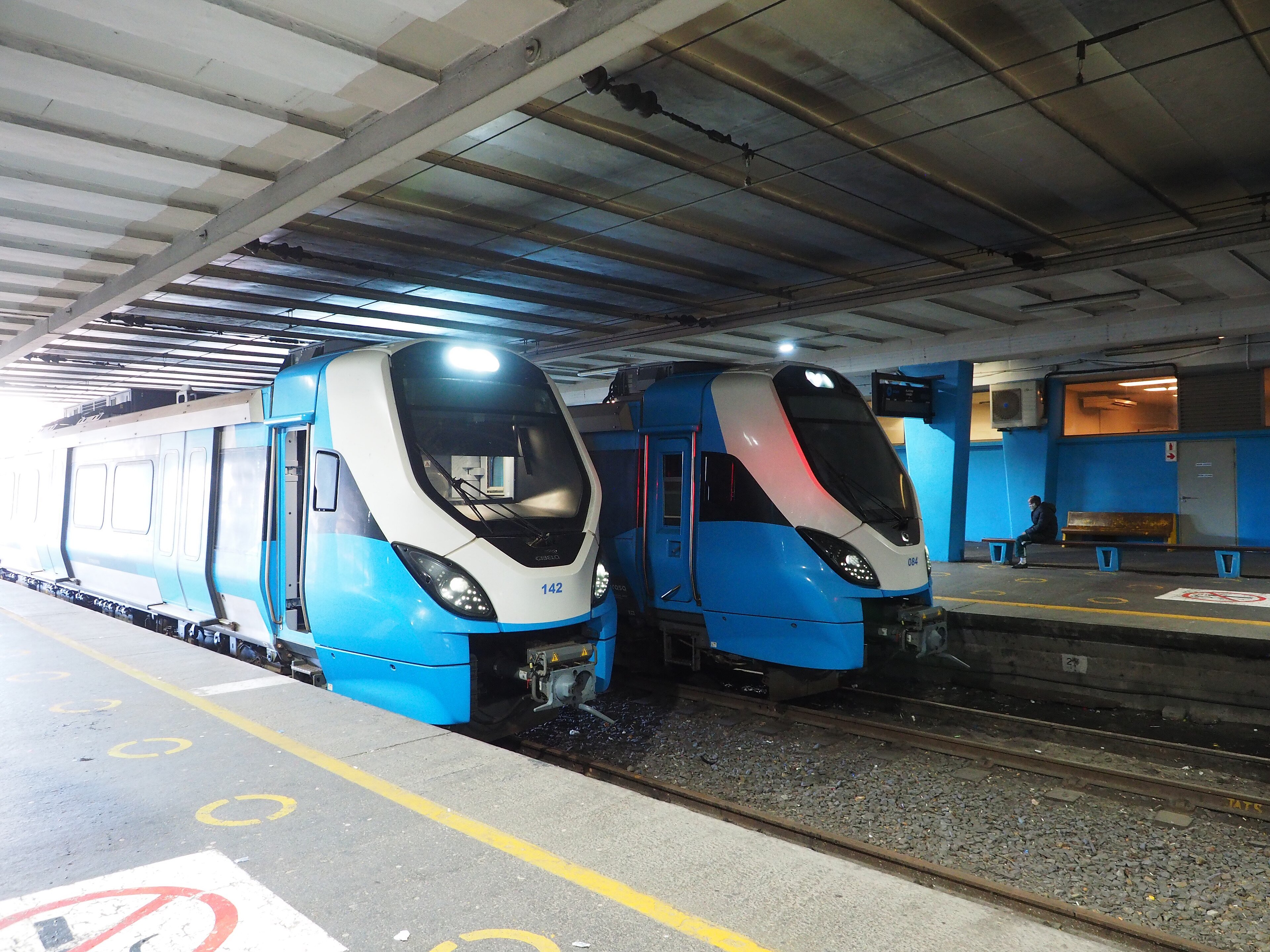
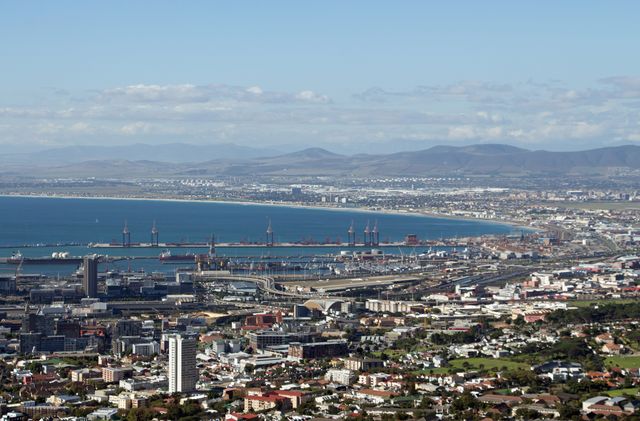
Photo: Nick-D / Wikimedia Commons, CC BY-SA 4.0
- Cape Town's daily train trips crashed from 600,000 to 133,000 before recovering
- The city's own feasibility study puts a 30-year rail takeover at R123 billion
- Cape Town wants to be running its own trains by 2028
133,000.
That is how low Cape Town's daily train trips fell by 2022, down from about 600,000 a day at the network's peak in 2003. Rail carried more than a fifth of all commuter trips in the city back then. By 2022 it carried a fraction of that.
Cape Town did not wait for Pretoria to fix it. The city paid for its own feasibility study, wrote its own business plan, and formally asked to run its own trains. No other metro in South Africa has gone that far.
This column has made the case for Cape independence before. Our guide to the Capexit push covers the referendum fight and the polls behind it. Today the case is simpler. It is about who gets you to work, and what it costs you to get there.
How many people used to ride Cape Town's trains?
A lot more than today, even after a recent recovery.
Cape Town's Metrorail network carried about 600,000 passenger trips a day in 2003. That fell to about 133,000 a day by 2022, the lowest point on record. By March 2026 it had climbed back to roughly 200,000 a day, still a third of the 2003 peak.
| Year | Daily Metrorail trips, Cape Town | Source |
|---|---|---|
| 2003 (peak) | about 600,000 | GroundUp/Moneyweb/News24, 8 May 2026 |
| 2022 (low point) | about 133,000 | GroundUp/Moneyweb/News24, 8 May 2026 |
| March 2026 (recovering) | about 200,000 | GroundUp/Moneyweb/News24, 8 May 2026 |
Even after three years of recovery, Cape Town's trains still carry about 400,000 fewer people a day than they did in 2003.
Every one of those missing passengers still needs to get to work. Most of them now climb into a minibus taxi, pay a driver every single day, or sit in traffic in a car they can barely afford. The cheapest way to move a city is the one that was allowed to fall apart.
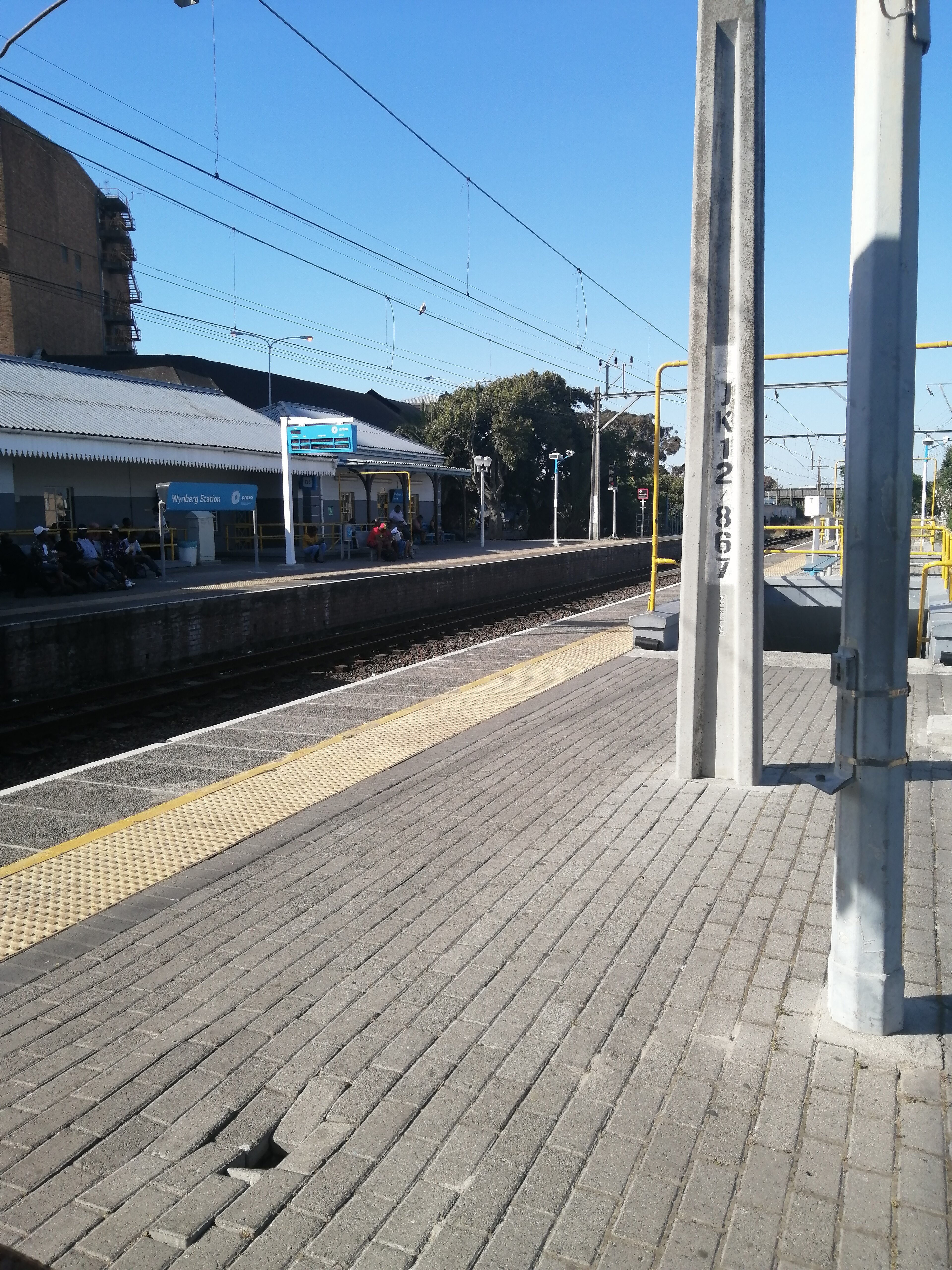
Photo: Ian Pells / Wikimedia Commons, CC BY-SA 4.0
What is Cape Town's plan to run its own trains?
The city started a formal rail feasibility study in July 2022. Its job was to work out what it would actually take to run Metrorail services itself, instead of leaving them to PRASA, the national rail agency.
 Read nextAlberta got to vote on leaving Canada. The Cape has never been asked.
The study found a city-run railway is realistic, but not free. Running a modern Cape Town rail network over the next 30 years would cost about R123 billion, in today's rand terms, with part of that paid by national government and the rest from private investors the city would have to bring in.
The council turned that number into a plan rather than a shelf document. It worked out three possible ownership models. The city could run everything itself. The city could own the tracks and stations and hire an operator. Or it could sign one large concession deal. In December 2024 the council approved a full rail devolution business plan built on that work, with a target of running real services by 2028.
No other South African metro has written a business plan this detailed for taking over its own trains.
Why did the national trains fall apart in the first place?
PRASA ran Cape Town's rail network from Pretoria for years. Stolen copper cable, vandalised stations and a maintenance backlog built up under its watch, transport researchers who have studied the network say. Trains that once ran every few minutes were cut back, cancelled or simply stopped showing up, so commuters who could not wait any longer found another way to work and never came back.
Cape Town's own officials watched the ridership slide continue year after year, long after the warning signs were obvious to anyone standing on an empty platform. A single national agency, answering to a department hundreds of kilometres away in Pretoria, had little reason to fix a line that mostly affected one city. They decided a railway run by the people who actually use it stood a better chance of staying fixed.
What does the National Rail Policy actually allow?
Cabinet is not blocking this outright, at least on paper. The White Paper on National Rail Policy, passed in May 2022, commits the state to devolving rail to "capable" metros and to writing a Rail Devolution Strategy to guide how that happens.
Four years later, in April 2026, the Department of Transport's National Rail Master Plan took the next step. It said metros would be allowed to take over management of their own commuter rail services, guided by that same national devolution strategy. The plan sets out the principle. It still gives no fixed date for when Cape Town actually gets the keys.
 Trending nowPinetown dad fires back at gunmen at his gate, and what the law says
Voters in the Western Cape go to the polls on 4 November, nine days from now, and the slow pace of that handover is one more reason some of them want the province to stop waiting for Pretoria's permission.
What would a Cape-run railway mean for your wallet?
A seat on a train has always cost less per trip than a seat in a minibus taxi. That is why the collapse of Metrorail is a cost of living story as much as a transport one.
Every commuter forced off a train and onto other transport pays more each month just to reach the same job they always had. We have already shown what a R30 petrol price does to the taxi fare on your own route, and the same logic runs in reverse here. A government that actually keeps trains running keeps that choice open for the people who can least afford to lose it.
It fits the same pattern we found when we worked out who really sets the price on a Cape household's monthly bill. Cape Town keeps finding ways to save its own residents money. The parts of the system still run from Pretoria keep costing them more.
Multiply one extra taxi trip a day by every one of the roughly 400,000 missing rail passengers, and the scale of the problem comes into focus. A working parent in Khayelitsha or Mitchells Plain who gets their train back keeps a bit more of their pay packet at the end of the month. That is the real prize on offer here.
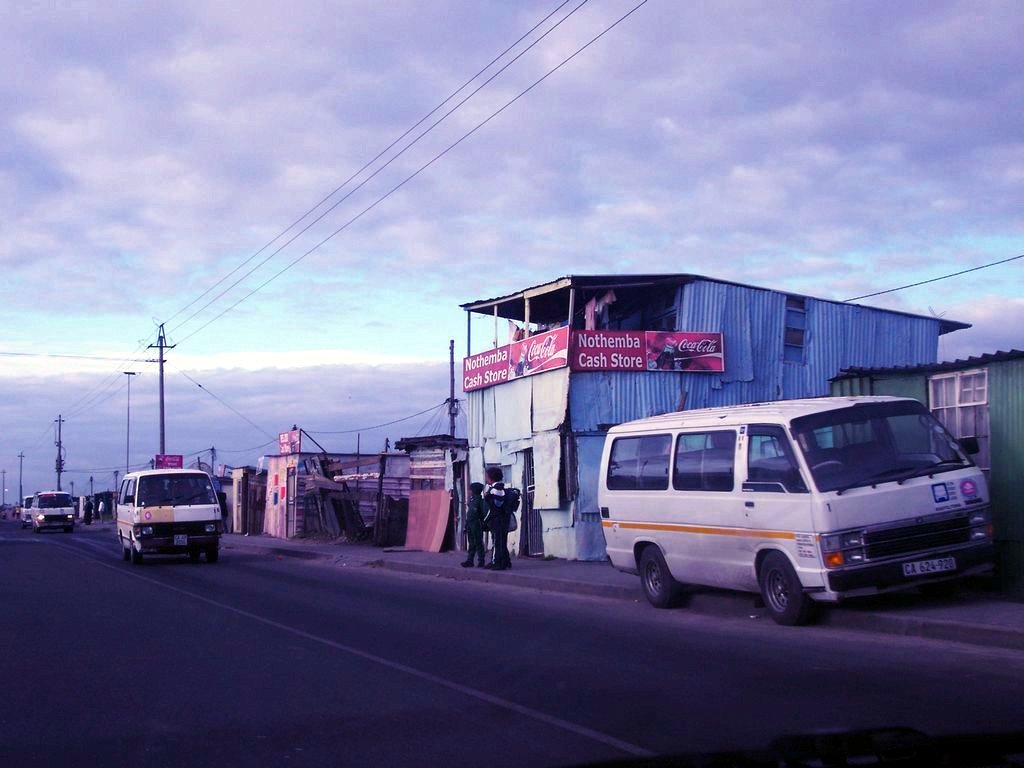
Photo: FreddieA / Wikimedia Commons, CC BY-SA 3.0
What do critics say about Cape Town running its own trains?
Critics warn that devolution could leave Cape Town holding a multi-billion rand bill, with national government deciding how much of the R123 billion it actually funds.
That risk is real, but it cuts both ways. PRASA held onto the whole network for two decades and still let it fall from 600,000 riders a day to 133,000. A city with its own feasibility study, its own business plan and a 2028 target has already shown more commitment to fixing this than the agency that broke it.
Why should Cape Town just take the wheel?
Cape Town is the only metro in the country that did the paperwork, ran the numbers and formally asked for the keys to its own railway.
The city has a plan. It has a cost. It has a target date. What it is still waiting on is Pretoria. The national government spent four years writing a policy that allows devolution and still has not picked a date to hand over a single line.
Every day that wait continues, Cape Town commuters keep paying the difference between a train and whatever is left when the train does not come. Put the people who use the railway in charge of running it, and watch how fast 200,000 a day turns back into 600,000.
Get the stories that hit your pocket
Petrol, SARS, Eskom, grants and the news everyone is talking about. One short email every weekday at 6am.
Free. One email each weekday. Unsubscribe anytime.Sources7
- GroundUp, Why rail matters for Cape Town's traffic congestion
- News24, Why rail matters for Cape Town's traffic congestion (8 May 2026)
- Engineering News, Cape Town makes significant gains in taking over PRASA service (5 Dec 2024)
- Infrastructure News, Cape Town adopts rail business plan, Vision 2050 (5 Dec 2025)
- Dullah Omar Institute, City of Cape Town wants to run the metro railway service (Sep 2022)
- GroundUp, New National Master Plan supports Cape Town's push to manage Metrorail (Apr 2026)
- City of Cape Town, Mayor welcomes Rail Devolution commitments in National Masterplan
Keep reading
 PoliticsSingapore's 10 moves, applied to the Western Cape one by one
 PoliticsWhat a Cape household actually pays each month, and who decides it
 PoliticsThe Western Cape's health department is the only one of nine with a clean audit. Its people also have the country's highest life expectancy.