The Cape already trades like a country. Imagine what it could do with its own deals
Opinion. The Cape grows what the world wants to eat and drink. What it lacks is control over the port, the trade deals and the politics that decide how much of it gets there.
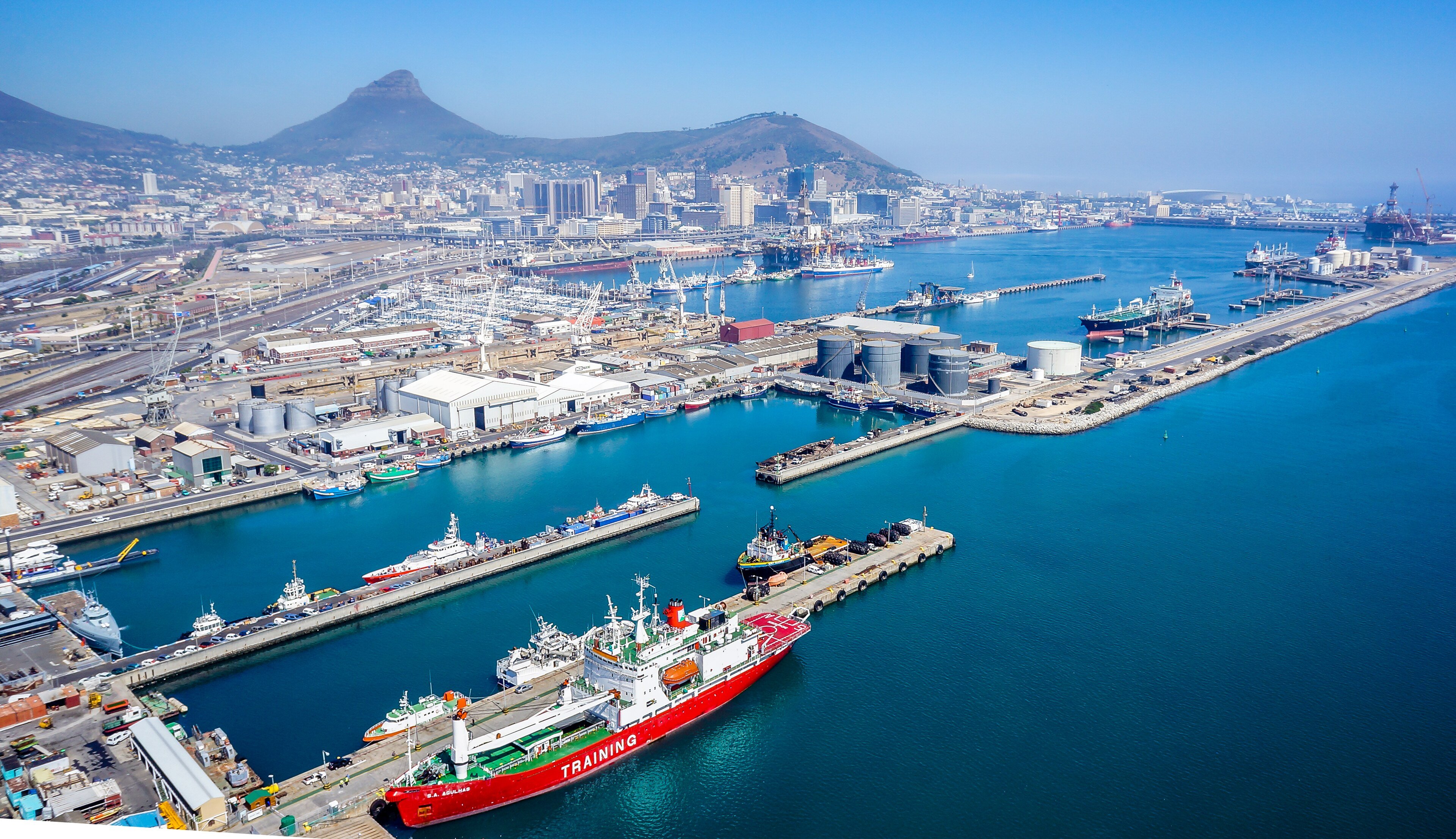
Photo: SkyPixels / Wikimedia Commons, CC BY-SA 4.0
- Citrus alone earned the Western Cape R30.9 billion last year
- The Port of Cape Town was ranked last of 400 ports worldwide
- US buyers of Cape table grapes fell by 86% in one season
R30.9 billion.
That is what the Western Cape earned from citrus alone in 2025. It is more than the province earned from petrol, fish and yachts put together.
Picture a cold container of Citrusdal oranges on the quay in Cape Town. Inside is fruit grown in Cape soil and picked by Cape hands. It is bound for Rotterdam, London or Dubai. Almost nothing about its journey is decided in the Cape.
The port is run from Johannesburg by Transnet. The trade deals are signed in Pretoria. The tariffs are set in Washington, partly over quarrels the Cape never picked.
This column has argued before that the Cape could stand on its own. Our guide to the Capexit push covers the referendum fight and the polls. Today the case is simpler: The Cape already trades like a country. It should get to act like one.
What does the Western Cape export to the world?
Food and drink, mostly. And a lot of it.
Wesgro, the province's trade and investment agency, says Western Cape goods exports hit R219.7 billion in 2025. That is up 36.56% on 2021, and it has grown every single year since.
Four of the top five are farm products. Citrus grew by 26% in a single year. Stone fruit like peaches and plums grew by 31%. Frozen fish fillets grew by 32%.
The provincial government says 66% of what Cape farms produce is sent abroad. That makes up more than 54% of all of South Africa's farm exports. One province ships more than half of a whole country's farm trade.
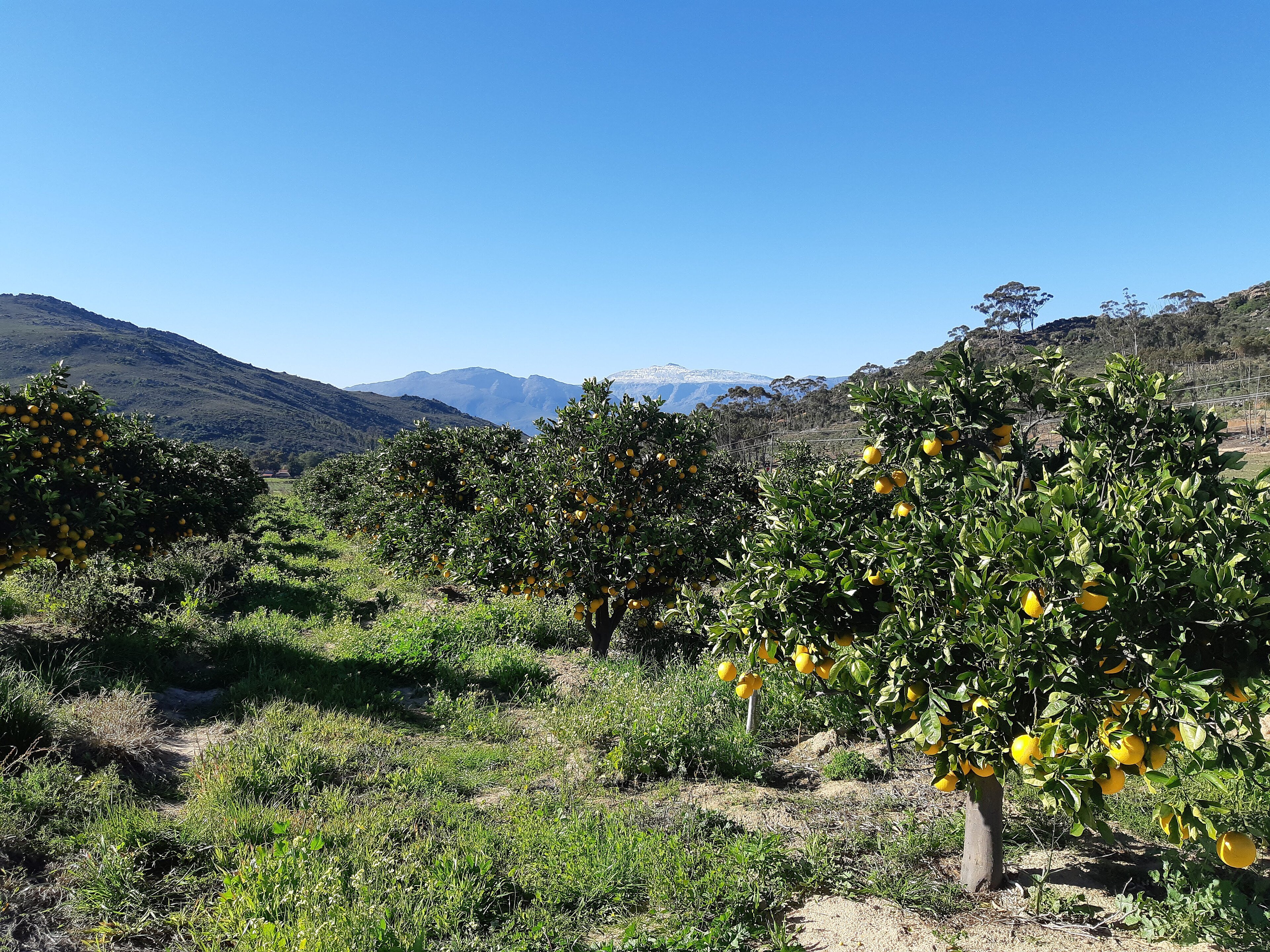
Photo: Discott / Wikimedia Commons, CC BY-SA 4.0
Farming and food processing in the province support 267,804 jobs, the Western Cape Government says. Those jobs are on farms in Ceres, Citrusdal, the Hex River Valley and the Winelands, far from any office in Pretoria.
Who buys from the Cape?
Wesgro says the province's raw farm exports were worth US$3.76 billion in 2024. It names Europe, the United States and China as the main trading partners.
Table grapes tell the story best. In the 2025/26 season, Europe and the UK took about 86% of South African table grape exports, up from 76%, the US Department of Agriculture reports. Most of that fruit leaves through Cape Town.
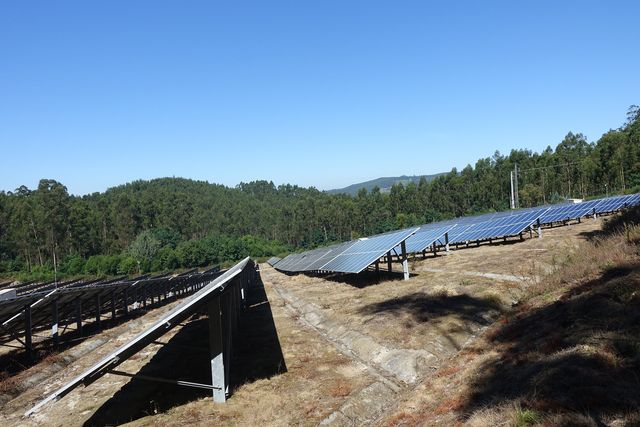 Read nextCape Town switches on its own power plant in Atlantis
Wine has its own map. The UK is the biggest buyer of South African wine, worth US$145 million in 2025, says Wines of South Africa. African countries now make up more than 10% of wine export value.
So the buyers are many and spread out. That matters. A small trading nation does best when no single market can choke it.
Is the Port of Cape Town really the worst in the world?
On paper, yes. The 2025 Container Port Performance Index, put together by the World Bank and S&P Global, ranked Cape Town last out of 400 ports. It was the second year in a row at the bottom, Farmer's Weekly reported.
Wind and fog play a part. Transnet says the port lost about 74.2 days of work to weather in the 12 months to March 2026.
But weather does not explain everything. The port started to improve once people pushed for it. Transnet says the average time a ship spends in port has dropped steadily.
In 2025 BusinessDay reported that Cape Town's index score jumped by nearly 240 points, the biggest gain of any port on earth. New cranes, longer crane hours and a wind model built with the CSIR helped.
Delays still cost real money. Cape Town's share of the country's table grape exports fell from 90% to 76% in one season, says the USDA, as weather and operating problems sent fruit elsewhere.
What could a Cape-run port do differently?
Start with what the Cape's own government has worked out. Its research found that a well-run port could unlock about R6 billion in extra exports. It would support nearly 20,000 jobs and add more than R1.6 billion in tax, Engineering News reported.
That is money the Cape leaves on the quay every season the port stays slow.
In July 2026 Transnet finally asked private firms to bid for a 25-year deal to upgrade and run the port's multipurpose terminal. Mayor Geordin Hill-Lewis said it was "exactly the major reform the City has long been calling for."
 Trending nowPetrol broke R30 a litre. We followed the money
Note the word "long". The Cape had to lobby a state company for years to fix a port it depends on. This is the same Transnet that the Zondo Commission found at the heart of state capture, with about R41.2 billion in contracts irregularly awarded. Our breakdown of where the state capture money went has the full story.
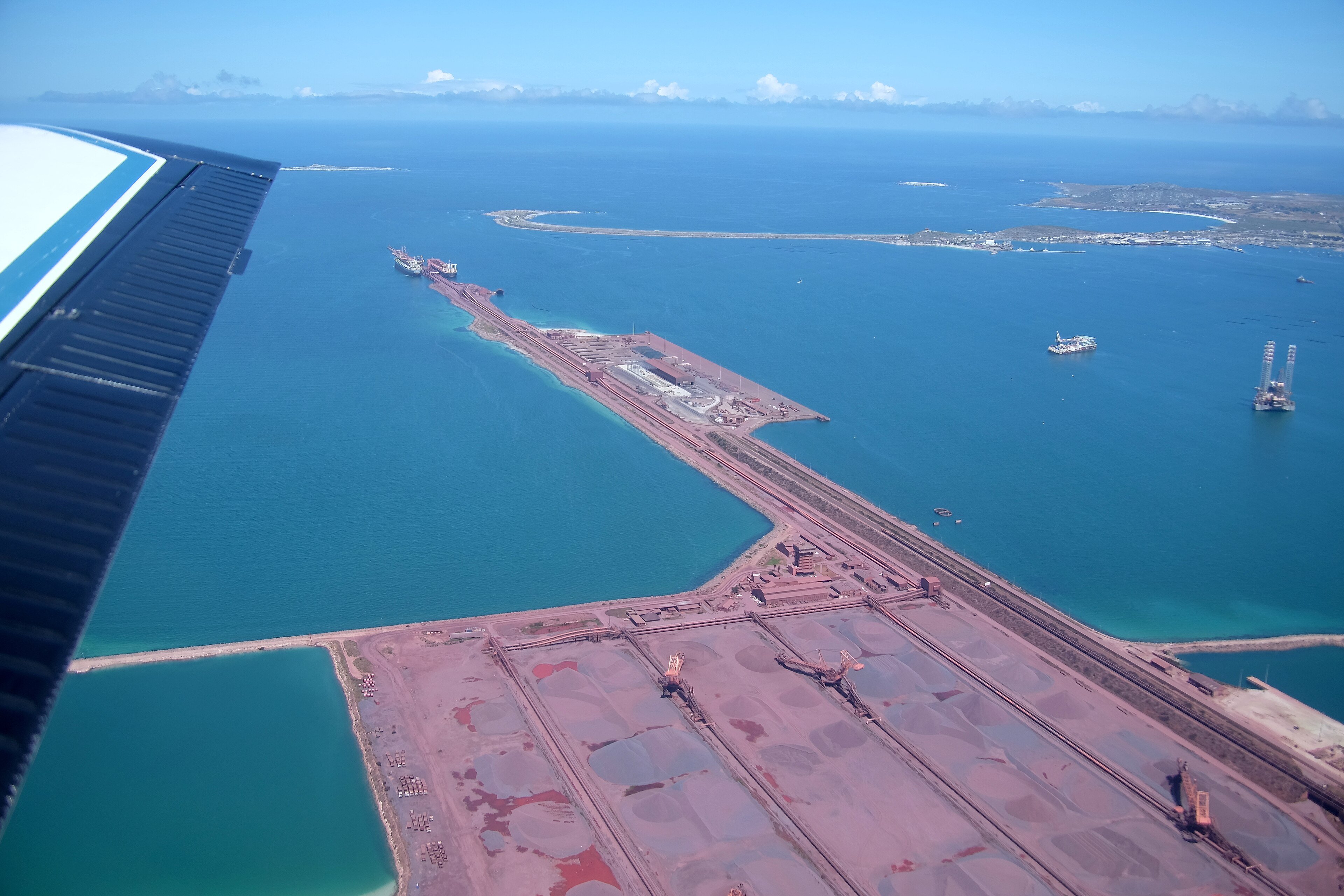
Photo: Hp.Baumeler / Wikimedia Commons, CC BY-SA 4.0
The Cape also has a second port most people forget. Saldanha Bay, on the West Coast north of Cape Town, is often described as the deepest natural harbour in the Southern Hemisphere. It has shipped iron ore since 1976, carried in by a dedicated rail line from the Northern Cape.
A Cape that ran both ports, with one clear goal of getting Cape goods out fast, would have two deep-water gates to the world. Today neither one answers to the people whose jobs depend on it.
What does AGOA mean for Cape farmers?
AGOA is a US law that lets goods from some African countries into America with no import duty. It was revived in February 2026 and then stretched to December 2028.
But South Africa's place in it is decided one year at a time. The next decision takes effect on 1 January 2027, BusinessDay reports. South Africa had asked for 15 years.
Meanwhile the bigger blow came from elsewhere. In 2025 the US put a 30% "reciprocal" tariff on South African goods. In July 2026 a new 12.5% US tariff followed, BusinessDay reports. Table grape shipments to the US fell by 86%. Wine sales to the US dropped by 28%. Trade adviser Donald MacKay told Daily Maverick that rival exporters in Chile and Peru face rates of around 15%.
Cape farmers did not start the fights between Pretoria and Washington. Yet they paid for them at the border.
Could an independent Cape sign its own trade deals?
Supporters of independence make this argument plainly. A Cape with its own trade office would speak for one economy, not nine provinces with different interests.
Its pitch to Washington would be short: Fresh fruit and wine from a stable, market-friendly partner. Its pitch to Brussels and London would be the same fruit those buyers already eat every winter.
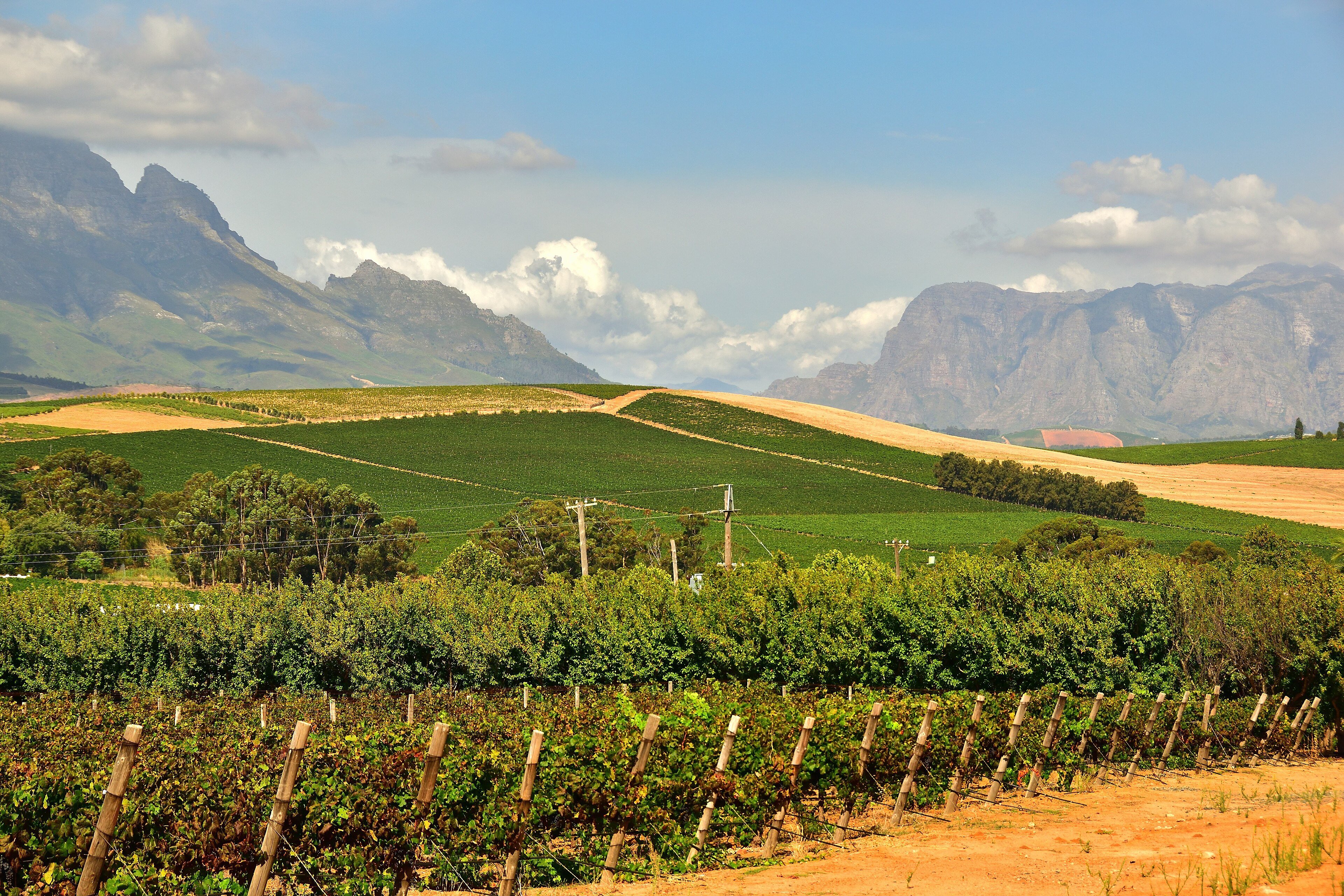
Photo: Matthias Bethke / Wikimedia Commons, CC BY-SA 4.0
Critics have a fair point to raise. Today's deal with the European Union was signed by South Africa as a member of a regional bloc, so a new Cape state would have to negotiate its own. And the province imports more than it exports, mostly because of fuel.
But the goods that win those deals would not change. Buyers in Europe want Cape citrus because it fills their shops when their own trees are bare. That advantage comes from the Cape's climate and its farmers, not from any treaty signed in Pretoria.
Why would the Cape trade better on its own?
Every year the Cape proves the same thing. It sends R219.7 billion of goods into the world through a port ranked last on the planet, under tariffs it never chose, and it still grows.
Citrus grew 26% last year and stone fruit 31%. Imagine those numbers with a port run for Cape exporters and trade deals signed for Cape farmers. The fruit is already world class. The buyers are already waiting. All the Cape needs now is the right to walk into the room and close the deal itself.
Liked this story? Get the next one free.
One short email every weekday at 6am. The top stories, before everyone is talking about them.
Free. One email each weekday. Unsubscribe anytime.Sources12
- Wesgro Research, Western Cape Goods Trade Trends 2025: Top 10 export and import products (27 Feb 2026)
- Western Cape Government, Agriculture budget priorities 2026 (23 Mar 2026)
- Wesgro, Food and Beverage investment pitch deck (2025)
- Farmer's Weekly, Cape Town port shows operational improvements despite poor global ranking (2 Jul 2026)
- BusinessDay, World Bank says Port of Cape Town's revival best in class (25 Sep 2025)
- Engineering News, City welcomes Transnet's call for private partners for the Port of Cape Town (20 Jul 2026)
- FreshPlaza, USDA: South African table grape exports to the US drop 86% (8 Jul 2026)
- Winemag, SA wine exports 2025 (Wines of South Africa and SA Wine data)
- BusinessDay, Trump signs AGOA but two-year tenure is far less than the 15 SA wanted (4 Sep 2026)
- Daily Maverick, Resuscitation of AGOA gets few cheers in SA (4 Feb 2026)
- South African Tourism, South Africa's eight seaports (Saldanha Bay)
- Wesgro, SADC-EU Economic Partnership Agreement guide
Keep reading
 PoliticsSA lost jobs. The Cape added 91,000. Imagine it with its own rules
 PoliticsThe Cape keeps SA's cleanest books. Why not let it run itself?
 PoliticsGlobal money already backs the Cape. Imagine it with its own terms