Taxi fares after R30 petrol: What your daily ride could cost now
Taxi bosses met in Kempton Park this week to decide whether you pay more. Before they announce anything, here is the money on both sides of the sliding door.
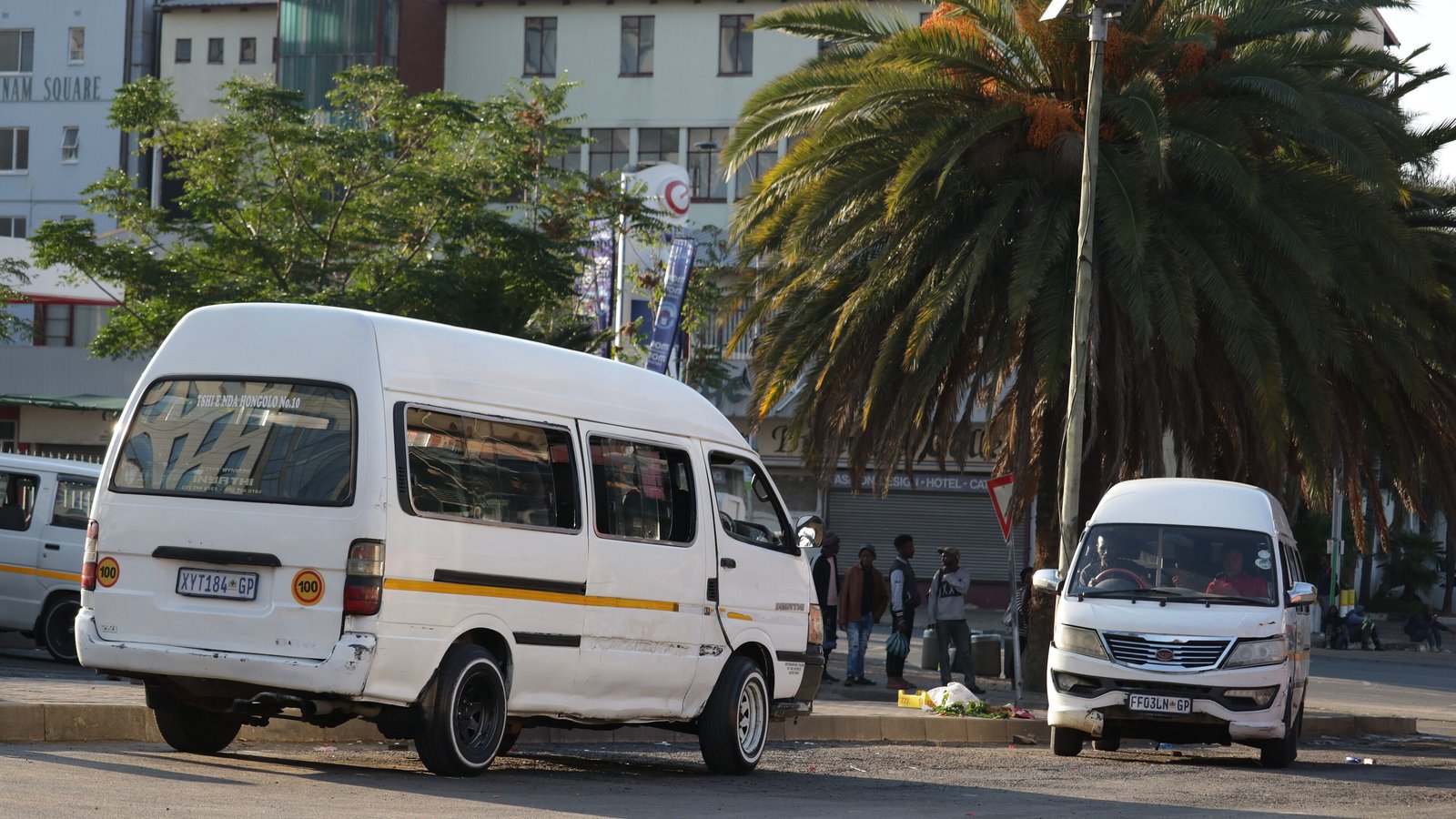
Photo: AshBoar / Wikimedia Commons, CC BY-SA 4.0
- Santaco has not announced a fare increase yet
- The October hike adds about R117 a day to one taxi's diesel
- R3 more a trip costs a commuter R132 a month
R1,180.80.
That is what one minibus taxi could now spend on diesel in a single working day, on our maths below. On Wednesday, 7 October, the wholesale price of 50ppm diesel in Gauteng jumped R3.24 a litre to R32.80. Petrol crossed R30 for the first time.
Around 15 million South Africans ride a taxi every day. All of them are asking the same thing. Is my fare going up again?
Will taxi fares go up in October 2026?
Not yet. The South African National Taxi Council, Santaco, says it has not made a decision.
Its national office bearers met in Kempton Park on Tuesday, 6 October. The council's national executive committee was due to take it further on Wednesday.
Spokesperson Mmatshikhidi Rebecca Phala said the council will speak once a collective decision has been made. She said any fare change hits commuters directly, so the council wants to explore every option first.
One of those options is a deal with fuel companies. Santaco says it will look for cushioning measures through the industry's collective buying power, and it is also talking to government. Cosatu wants government to use R10 billion from the Central Energy Fund to soften the blow.
Santaco does not set every fare itself. Local associations decide fares route by route, which is why increases land on different days in different cities.
How much is diesel now, compared to February?
This is the number taxi owners are staring at. In February, wholesale diesel in Gauteng cost under R18 a litre. Now it is close to R32.
That is a rise of R14.04 a litre in eight months, or 78%. Petrol went up by half over the same time. The war in the Middle East is the main reason, and our breakdown of where every rand of a R30 litre goes shows how much of it is tax.
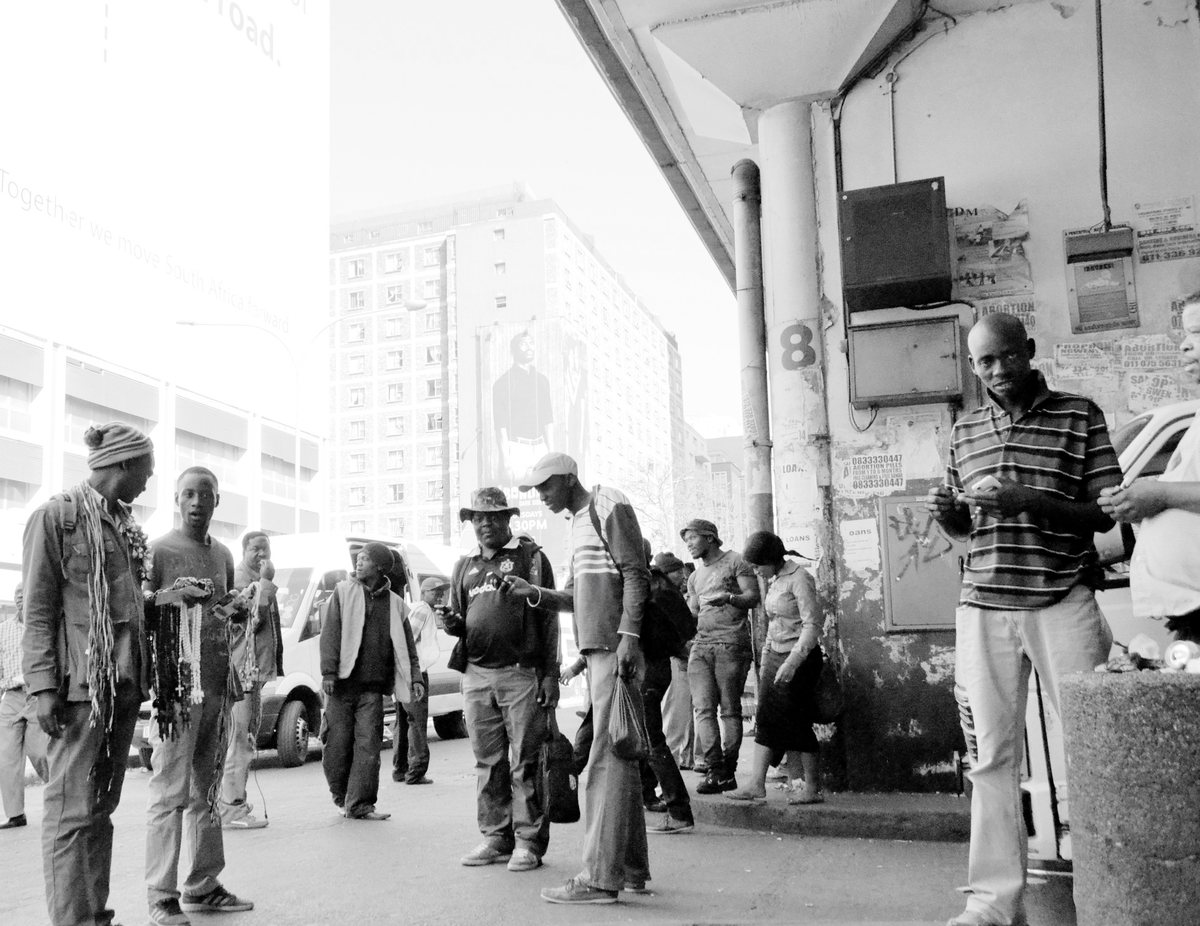
Photo: Lonelocust7 / Wikimedia Commons, CC BY-SA 4.0
How much did taxi fares go up earlier in 2026?
Fares already went up once this year, after the big fuel jumps in April and May. These are announced increases, reported at the time.
In Gauteng, fares rose from 4 May. Local trips went up by R2 to R6 and long trips by R10 to R30, with many Joburg routes up R3. Santaco told its members to keep short-distance increases between R3 and R6.
In Cape Town, Cata added R3 and Codeta R2 on local routes from 18 May. Long trips to the Eastern Cape went from R1,000 to R1,150.
In Durban, the ride from the CBD to Umhlanga and Gateway went from R22 to R25 in June. Chatsworth fares went up R4 over two months.
What does a taxi ride cost now?
Here are fares reported by local media this year, and what they add up to for someone who rides to work and back on 22 working days a month.
| Route | One way | Status | Per month now | If it goes up R3 |
|---|---|---|---|---|
| Irene to Joburg | R33 | In force since 4 May | R1,452 | R1,584 |
| Ivory Park Ext 2 to Joburg | R28 | In force since 4 May | R1,232 | R1,364 |
| Soweto to Joburg | R27 | Proposed in March, R54 return | R1,188 | R1,320 |
| Durban CBD to Umhlanga | R25 | In force since June | R1,100 | R1,232 |
| Inside Khayelitsha | R17 | Unchanged in May | R748 | R880 |
The last column is our estimate, not an announced fare. It shows what happens if associations add R3, the bottom of Santaco's suggested range from May.
Every R1 added to a fare costs a daily commuter R44 a month. An R3 increase costs R132. A R6 increase costs R264. On a tight budget that is enough to leave a debit order bouncing, and an account in the minus before payday.
How much does the fuel hike cost a taxi owner?
Nobody publishes an official cost sheet for a taxi, so we worked it out. These are our assumptions, so you can check the maths.
Low-income workers in Gauteng already spend about 29% of their income on transport, Daily Maverick reported. So every rand matters.
A diesel Quantum in stop-start city traffic uses about 12 litres per 100 km. Local taxis drive 300 to 500 km a day, according to Daily Maverick. We used the low end, 300 km, which means 36 litres a day. We assumed 26 working days a month.
- October's diesel hike: 36 litres x R3.24 = R116.64 a day, or about R3,033 a month.
- A petrol taxi, at 14 litres per 100 km, uses 42 litres. At R3.33 more a litre that is R139.86 a day, or R3,636 a month.
- Since February: 36 litres x R14.04 = R505 a day, or about R13,140 a month.
A full tank is not the only cost. Owners also pay vehicle finance, insurance, licences, repairs, drivers, rank marshals and association fees. Cata's chairperson, Solethi Sawulski, said in May that some drivers could no longer pay their loans and had lost their vehicles.
How much of the fuel hike lands on each passenger?
Here is where the maths gets surprising. Say a taxi does 12 trips a day with 12 paying passengers on average. That is 144 fares.
Spread over 144 fares, October's diesel increase works out to about 81 cents a passenger. The whole rise since February works out to about R3.51 a passenger.
That is roughly what associations added in May. So October's hike alone does not need a big jump. But owners say fuel is only one cost that keeps climbing, and they have already absorbed months of it.
Is the bus or train cheaper than a taxi?
Often, yes, if one runs near you.
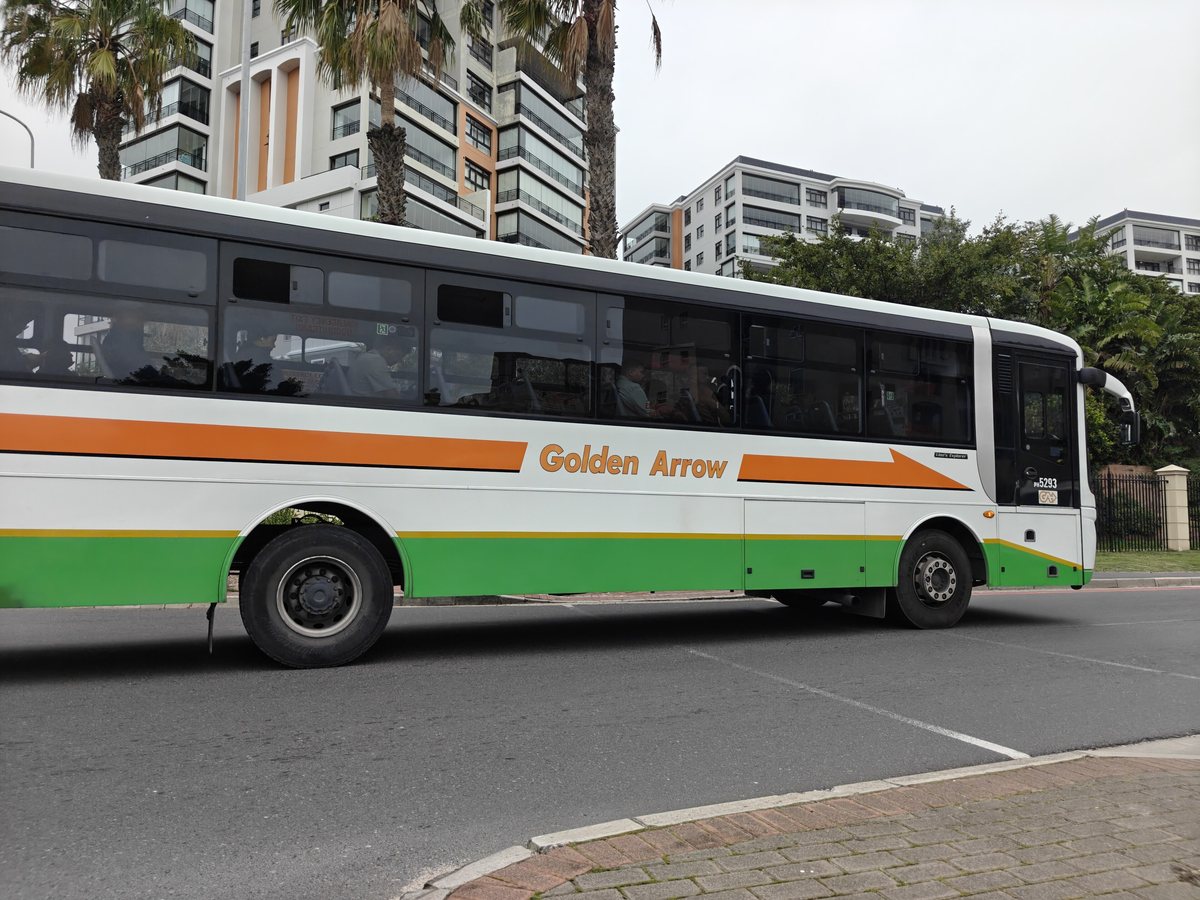
Photo: Husskeyy / Wikimedia Commons, CC BY-SA 4.0
Golden Arrow raised selected off-peak cash fares by 4.5% from 28 September. Its Gold Card multi-journey tickets did not change. Golden Arrow and MyCiTi say there is no immediate further increase after October's fuel price.
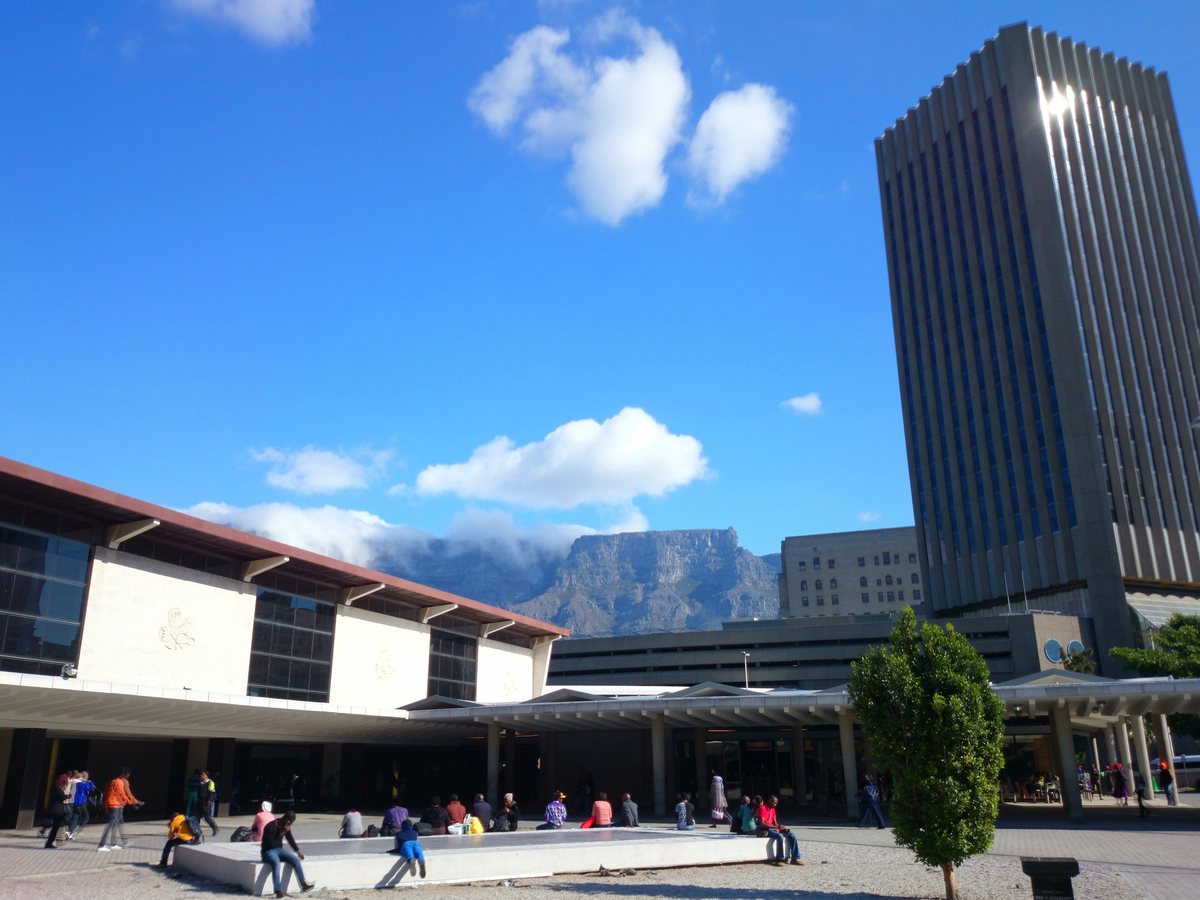
Photo: Nkansahrexford / Wikimedia Commons, CC BY-SA 3.0
Metrorail is the cheapest by far, where the trains run. A monthly Metro ticket from Khayelitsha to Cape Town costs R190, or R420 for MetroPlus.
In Gauteng, Putco raised fares 10% from 1 June. Its most expensive weekly ticket between Soweto and Joburg went from R431 to R474.
What happens next?
The next fuel price change is on 4 November. Early tracker estimates point to another rise, with diesel up by about R2.56 to R2.91 a litre if oil stays where it is.
Santaco now has to choose. It can absorb another month, cut a fuel deal, or let associations raise fares before November. Taxi owners already know what a full tank costs.
On Wednesday, 15 million commuters were still waiting to hear the number.
Sources17
- TimesLIVE, no taxi fare increase yet as Santaco consults members
- Central Energy Fund for DMPR, October 2026 fuel prices and price history
- EWN, taxi council weighing options
- Sunday World, Cosatu on fuel relief
- The Citizen, Gauteng taxi fares from 4 May 2026
- GroundUp, Cape Town taxi fares from 18 May 2026
- News24, Cata and Codeta fare increases
- City Vision, Khayelitsha fares
- East Coast Radio, Durban taxi fare hikes
- Scrolla via AllAfrica, Soweto to Joburg fare proposal
- Sowetan, Putco fare increase and Santaco guidance
- Daily Maverick, commuters and taxi distances
- EWN, Golden Arrow fare adjustment from 28 September
- Cape Times, MyCiTi and Golden Arrow hold off on fare hikes
- EWN, Prasa Metrorail fares from August 2025
- Cape Town train fare table by zone
- Xinhua, 15 million daily taxi commuters
How does this make you feel?
The week's biggest stories, every Monday
One email. The stories everyone will be talking about, before they do.
Free. One email a week. Unsubscribe anytime.Keep reading
 ViralFNB's R200 fee for paying when your account is empty
 ViralJapan's 30-minute sleeper went live for a week
 Viral500 days alone in a cave, and she lost track of time