Health workers danced as Congo's last Ebola patient went home. Africa's top doctor isn't celebrating
Health workers in eastern Congo danced as they discharged their last Ebola patient. Hours later, Africa's top health official warned a room of health ministers that the outbreak could still reach Britain. Here is how both of those things are true at once, and what it would actually take for Ebola to turn up here.

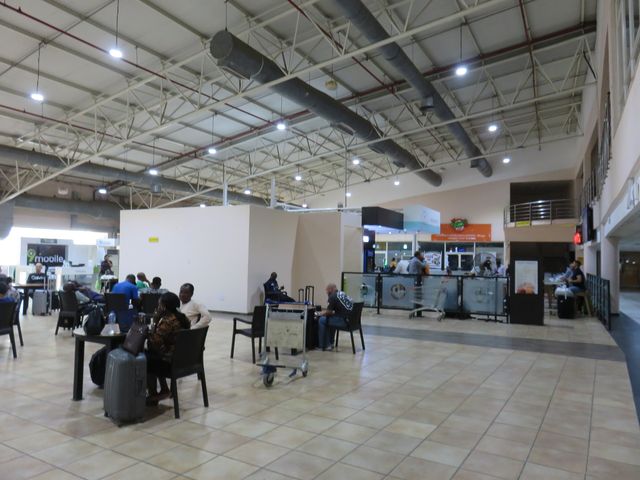
Photo: Diliff / Wikimedia Commons, CC BY-SA 3.0
- Africa's top health doctor compared the risk to Covid's early warnings
- More than $2 billion in pledged Ebola funding still hasn't arrived
- One treatment centre just emptied out while the outbreak keeps growing elsewhere
10,141.
That is how many people have now caught Ebola in the outbreak spreading across Central, East and West Africa. On Wednesday 28 October 2026, two very different scenes played out on the same day. In eastern Congo, health workers sang and danced as they sent their last patient home from one treatment centre. In a video call with health ministers across the continent, Africa's top health official warned that the outbreak could still reach Britain.
Why does Africa's top doctor think Ebola could reach Britain?
Dr Jean Kaseya is the Director General of the Africa Centres for Disease Control and Prevention, the continent's lead health body. Speaking to African health ministers on Wednesday, he said, "We don't want to see the UK and other countries become the hotspot." He compared it to the start of Covid-19, when governments that called their own risk zero ended up as hotspots a few months later.
His warning is really about money, not geography. Governments pledged $3 billion to fight this outbreak. By Wednesday, more than $2 billion of that had still not arrived. "We need this money now," Kaseya said. That gap pays for contact tracers, lab kits and fuel for the trucks that carry both into areas with no paved roads.
 Read nextThree oil shocks at once, and why diesel is the one to fear
Vaccine trials are under way, with results due in three to six months, but there is still no approved treatment for the exact strain driving this outbreak, called Bundibugyo virus. Doctors can only support patients through the illness and hope their own immune system wins.
How can one Ebola ward celebrate while the outbreak keeps growing?
The celebration happened at the Ebola treatment centre in Mongbwalu, a town in Congo's Ituri province, one of the places where this outbreak began. Health workers, some still in their protective suits, sang and played instruments as the last two patients walked out fully recovered. The World Health Organization's director general, Tedros Adhanom Ghebreyesus, said the centre had gone five days without a single new case.
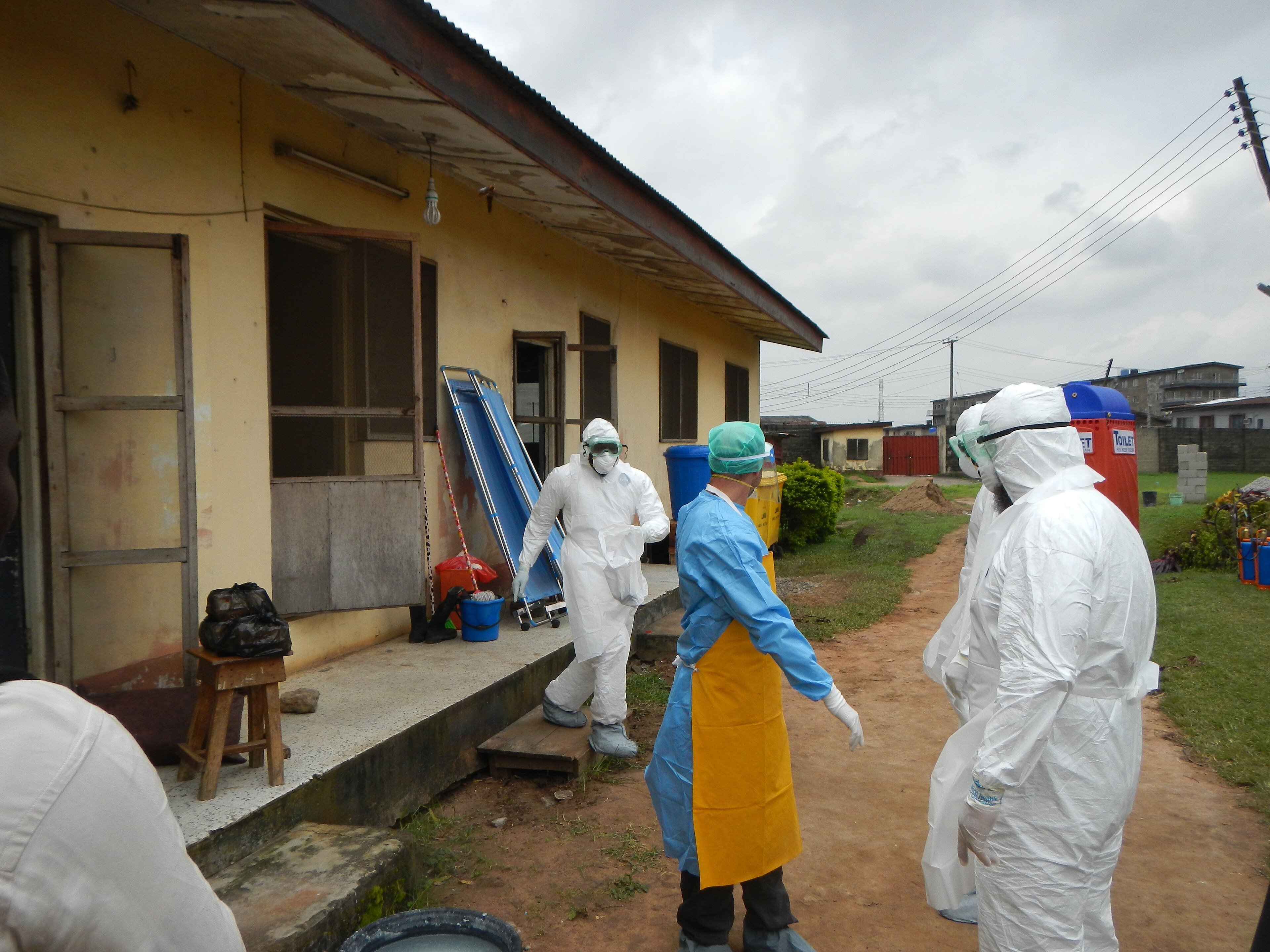
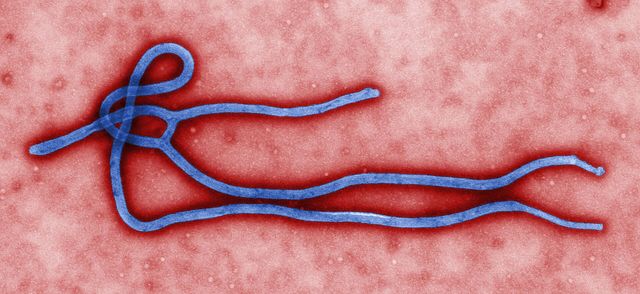
Photo: CDC Global / Wikimedia Commons, CC BY 2.0
That is real progress, but it only covers one building in one town. The wider outbreak spans 66 separate health zones across eight of Congo's provinces, stretching from Ituri in the east almost to the border with the Central African Republic. Congo's outbreak is not declared over until the whole country goes 42 days without a new case, not just one ward.
Which countries have confirmed Ebola cases right now?
Five countries have recorded cases since the outbreak began in Congo in May. Nobody else has pulled every country's latest confirmed numbers, with the date and the named source, into one table. Here it is, including Nigeria's first confirmed case in Abuja and the sick man who flew into Nairobi and died two days later.
| Country | Cases | Deaths | Date confirmed | Source |
|---|---|---|---|---|
| DR Congo | 10,141 | 4,928 | 27 Oct 2026 | WHO / Africa CDC |
| Kenya | 9 | 2 | 26 Oct 2026 | Kenya Ministry of Health |
| Uganda | 21 | 3 | 21 Jun 2026 | WHO / Uganda Ministry of Health |
| France | 1 | 0 (recovered) | 24 Jun 2026 | WHO |
| Nigeria | 1 | 0 | 20 Oct 2026 | Nigeria CDC |
What makes officials call this outbreak "unprecedented"?
This is the first time one Ebola outbreak has reached three separate regions of Africa at once, Central, East and West. It is also the biggest Ebola outbreak DR Congo has ever recorded, of any strain. The country passed 1,000 cases in just 40 days this time. Its 2018 outbreak took 235 days to hit the same mark.
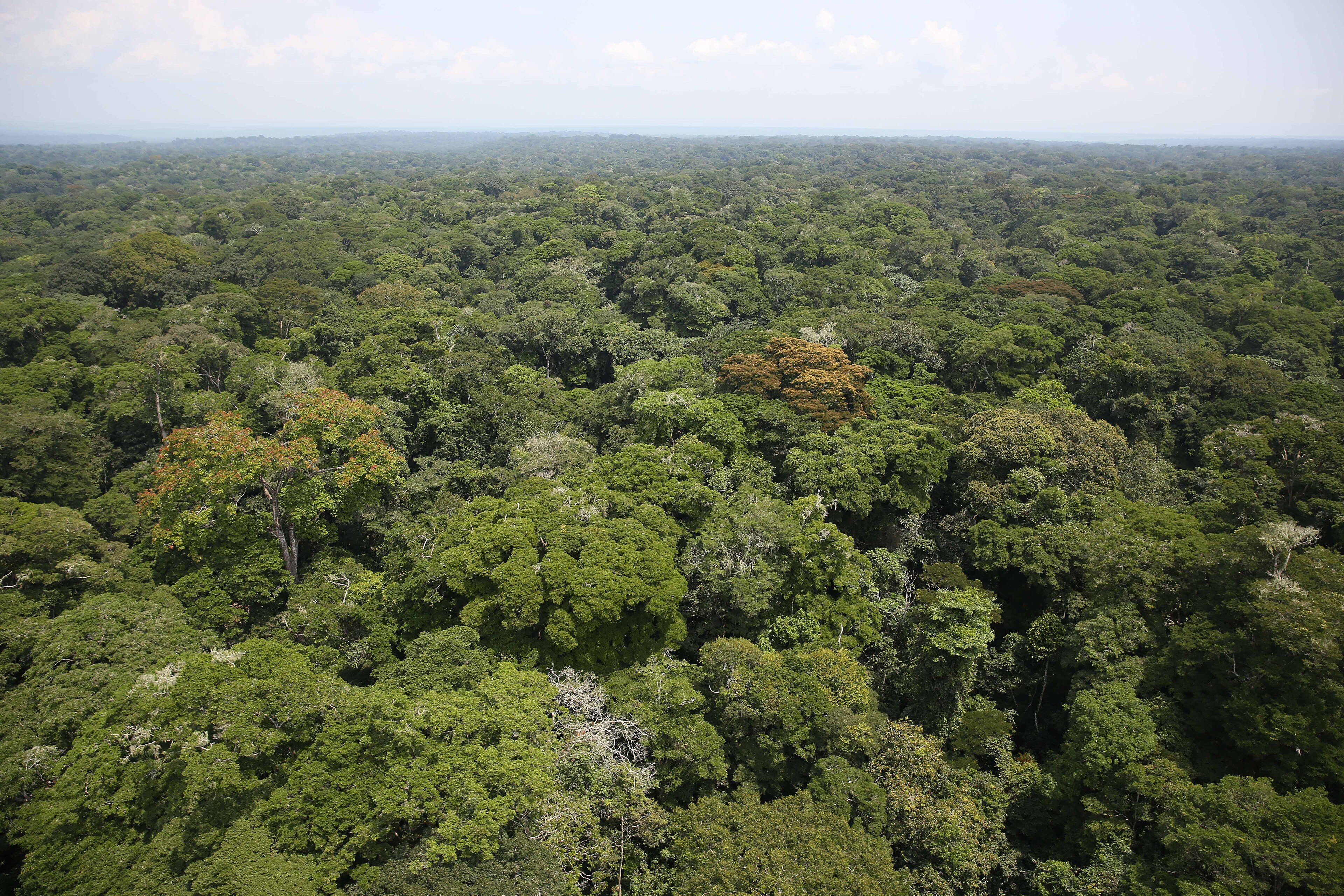
Photo: MONUSCO Photos / Wikimedia Commons, CC BY-SA 2.0
Most of the worst-hit areas sit deep in rainforest, hundreds of kilometres from a tarred road. Teams have to fly samples out, drive for hours, or send results by motorbike before a lab can confirm a single case, which is part of why the numbers keep climbing even as individual wards empty out.
Even the deadliest Ebola epidemic in history, the one that swept West Africa from 2014 to 2016, took more than two years to reach 28,600 cases. This outbreak has already passed a third of that total in under six months.
Has Ebola actually reached a country like Britain before?
Twice already. In June 2026, a doctor who had been treating patients in Congo flew home to France already infected. He was isolated, treated and recovered. Nobody else caught it from him.
Britain has its own, older example. In December 2014, a Scottish nurse named Pauline Cafferkey was flown home from Sierra Leone with Ebola, the first person ever diagnosed with it on British soil. She was treated in an isolation unit at London's Royal Free Hospital. She survived, and no second case followed.
 Trending nowLeon Lotz: The farmer the world won't believe
This isn't the only health scare that has pushed a government to act fast this year. In October, the US told its own citizens to leave Russia over a mysterious illness near a closed research site, a reminder that officials would rather warn early than explain later why they didn't.
What happens at the airport if a passenger arrives feeling sick?
The UK already has a system built for exactly this, put together after the 2014 to 2016 epidemic. Anyone who declares symptoms, or is flagged by cabin crew, is isolated on arrival and moved to one of a small number of hospitals with high-level isolation beds, including the Royal Free. They are tested before anyone is allowed to leave.
Contact tracing only starts if a test comes back positive, the same approach that worked on Cafferkey and on France's doctor. Anyone who sat near them, cared for them, or shared a house with them gets checked daily for 21 days, the longest it can take for symptoms to appear after infection.
Ebola does not spread through the air. It needs direct contact with the blood, vomit or other body fluids of someone already showing symptoms, which is why airport checks and quick isolation have stopped every imported case from this outbreak so far.
So how worried should people outside Africa actually be?
Low, for now, and the numbers back that up. Across two outbreaks and more than a decade, exactly one person has been diagnosed with Ebola on British soil, and she survived. The system that caught her is still there.
What has changed is the size of what that system is up against. Kaseya's own comparison is worth sitting with. Plenty of governments called their Covid risk zero too, right up until the month they didn't.
Get the stories that hit your pocket
Petrol, SARS, Eskom, grants and the news everyone is talking about. One short email every weekday at 6am.
Free. One email each weekday. Unsubscribe anytime.Sources6
- Africa's 'unprecedented' Ebola outbreak could reach UK, says top health official (28 Oct 2026)
- Al Jazeera Shorts, Incredible celebrations as last patient leaves a DRC Ebola centre
- WHO Disease Outbreak News DON-622, Bundibugyo virus disease
- ECDC, Ebola disease outbreak situation update, 27 Oct 2026
- Africa CDC, ministers of health convened as outbreak spreads across three regions
- US News, Africa CDC calls an Ebola crisis summit as Nigeria records its first case
Keep reading
 WorldNigeria confirms its first Ebola case, 12 years after beating the virus
 WorldEbola reaches Kenya after a sick man flies into Nairobi
 WorldThe "American Covid" strain behind Britain's autumn rise