Arms open in front of riot police: Who is Bally Bagayoko, the French mayor who shielded students?
He grew up in Saint-Denis, played basketball and became mayor in March. On Tuesday he stood between riot police and teenagers, and the world noticed.
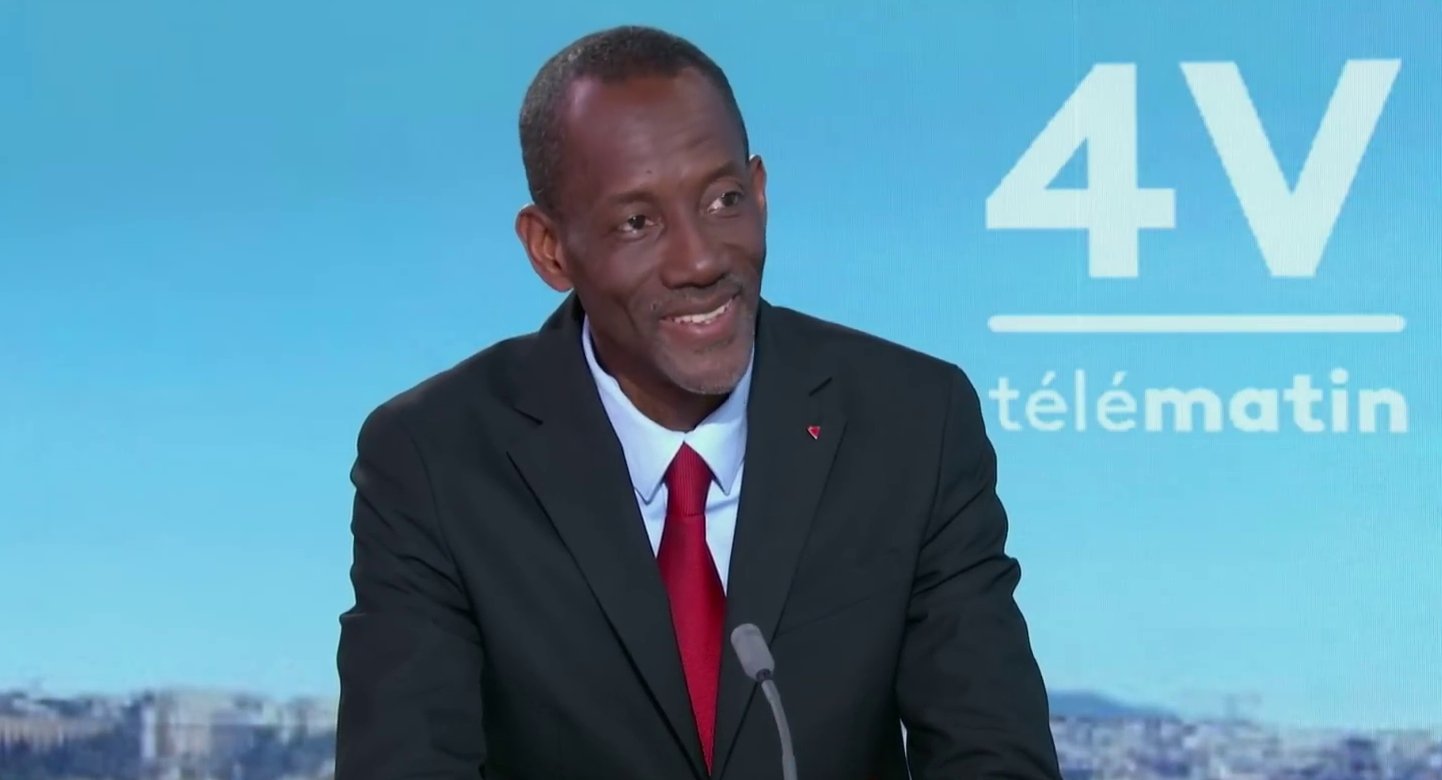
Photo: Télé Matin / Wikimedia Commons, CC BY 4.0
- The mayor spread his arms and shouted at police to step back
- He was tear gassed minutes later and led out of the march
- Prosecutors are looking at a remark he made a week earlier
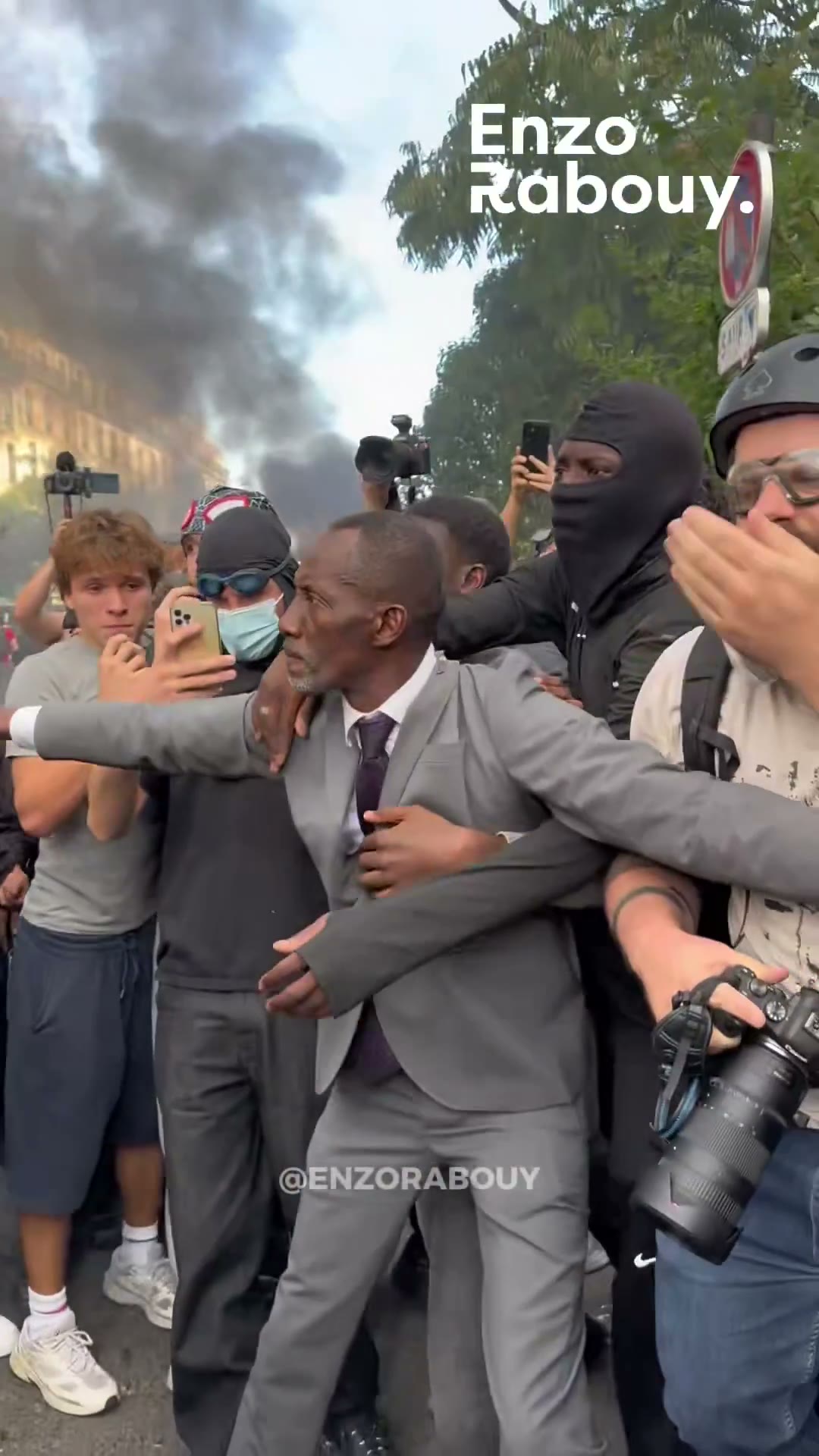
A man in a grey suit stands with his arms wide open.
Behind him is a crowd of teenagers in hoodies. In front of him is a wall of riot police in black helmets. Black smoke rolls over the Paris rooftops. He shouts at the officers to stop and step back.
The man is Bally Bagayoko, the mayor of Saint-Denis, a city just north of Paris.
The clip was filmed on Tuesday 6 October during the huge high school march in Paris. Journalist Enzo Rabouy posted it first, and his post passed 15 million views. A repost by a big pop culture account added another 5.1 million, with the line that a French mayor was seen protecting student protesters from police.
People around the world asked the same thing: Who is this man?
Who is Bally Bagayoko?
Bagayoko was born in 1973 in Levallois-Perret, near Paris, into a family with roots in Mali. He moved to Saint-Denis when he was two years old and has lived there for most of his life.
He went to the Lycée Paul-Éluard, a high school in Saint-Denis, and then to Paris 8 University. Before politics, he played basketball.
His political life started in 2001, on the team of the city's communist mayor at the time, Patrick Braouezec. Later he joined La France insoumise, the hard-left party led by Jean-Luc Mélenchon. In English the name means "France Unbowed".
He ran for mayor in 2020 and lost. In March 2026 he tried again and won in the first round, on 15 March, with 50.77% of the vote, Italian news site Open reports.
So when he walked into that crowd on Tuesday, he had been mayor for less than seven months.
What did the mayor of Saint-Denis do at the protest?
The march was one of the biggest days of the French school protests so far. About 250,000 people marched across France that day, by the official count. Two days later the fight moved to the Bastille, and we covered the wider student revolt and those clashes here. In short: Teenagers are angry about missing teachers, packed classes and crumbling schools.
Near Nation, in the east of Paris, things got tense.
In the video, Bagayoko pushes himself to the front of the crowd. He spreads his arms like a goalkeeper. According to French site Le Tribunal du Net, he shouts at the police to stop and pull back.
Young people grab his jacket and hold on to him. A police officer with a shield stands right in front of his face. He does not move.
Was Bally Bagayoko tear gassed?
Yes. A little later, after another scuffle, he was hit in the face with tear gas, Le Tribunal du Net reports. People next to him poured saline water into his eyes to wash it out.
Late in the afternoon, he was taken out of the march. He came back afterwards to thank the young people who had stayed by his side.
That evening he posted a video about his day. He said he had seen a totally out of proportion use of force. He asked the Interior Minister to change police orders before a tragedy happens.
He also had a message for the students. Stay united, he told them. Stay non-violent. Do not fall for provocation.
He asked President Emmanuel Macron and Interior Minister Laurent Nuñez to sit down with student groups. What the movement needs, he said, is "une réponse politique et non une réponse policière". That means a political answer, not a police one.
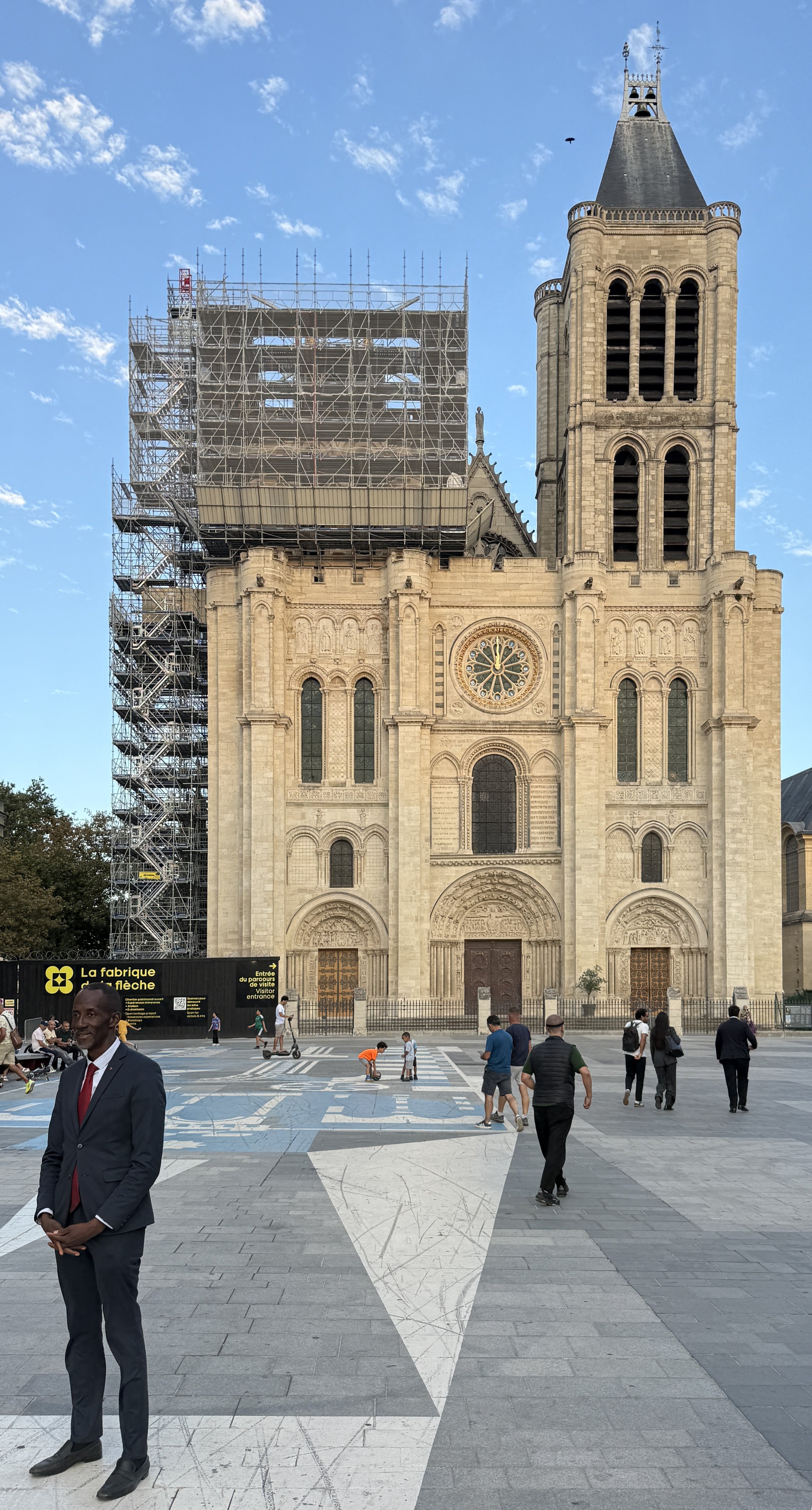
Photo: Chabe01 / Wikimedia Commons, CC BY-SA 4.0
Why does he go to the student protests?
This was not his first time with the students.
In the week before, he went to the blockade at the Lycée Paul-Éluard on Monday and Tuesday. That is his old high school. Part of its main gate was knocked over during the protests, AFP reported.
He says he was tear gassed there too, early that week.
On franceinfo radio, he was asked if a mayor should be at a school blockade. His answer was short: "Oui, c'est la place d'un élu." In English: Yes, this is where an elected official belongs. He said a mayor has to think about nearly everyone in the city, and high school students are part of that.
Why was he reported to prosecutors?
Many people sharing the clip have missed this part.
On 29 September, outside a blocked school, Bagayoko said that violence can, at a certain point, be legitimate. French media picked it up fast.
The Paris police chief, Patrice Faure, then referred him to the prosecutor in Bobigny. The case is about alleged "provocation to commit an offence". Faure's team said the mayor's words and attitude could make violence and damage seem normal to young protesters.
Bagayoko has since said he is fully against violence. He says his aim is to stop more young people from getting hurt. No charge has been announced.
What does the French government say?
The government sees the left as part of the problem.
Prime Minister Sébastien Lecornu attacked what he called the "irresponsible one-upmanship" of La France insoumise politicians who called for more blockades. Mélenchon hit back. He accused the government of ordering the crackdown.
The fight is also about the next election. France picks a new president in about seven months.
Rights groups have stepped in too. Amnesty International called on the French authorities to calm things down during the student protests. Officially, at least 215 teenagers have been hurt since the movement began.
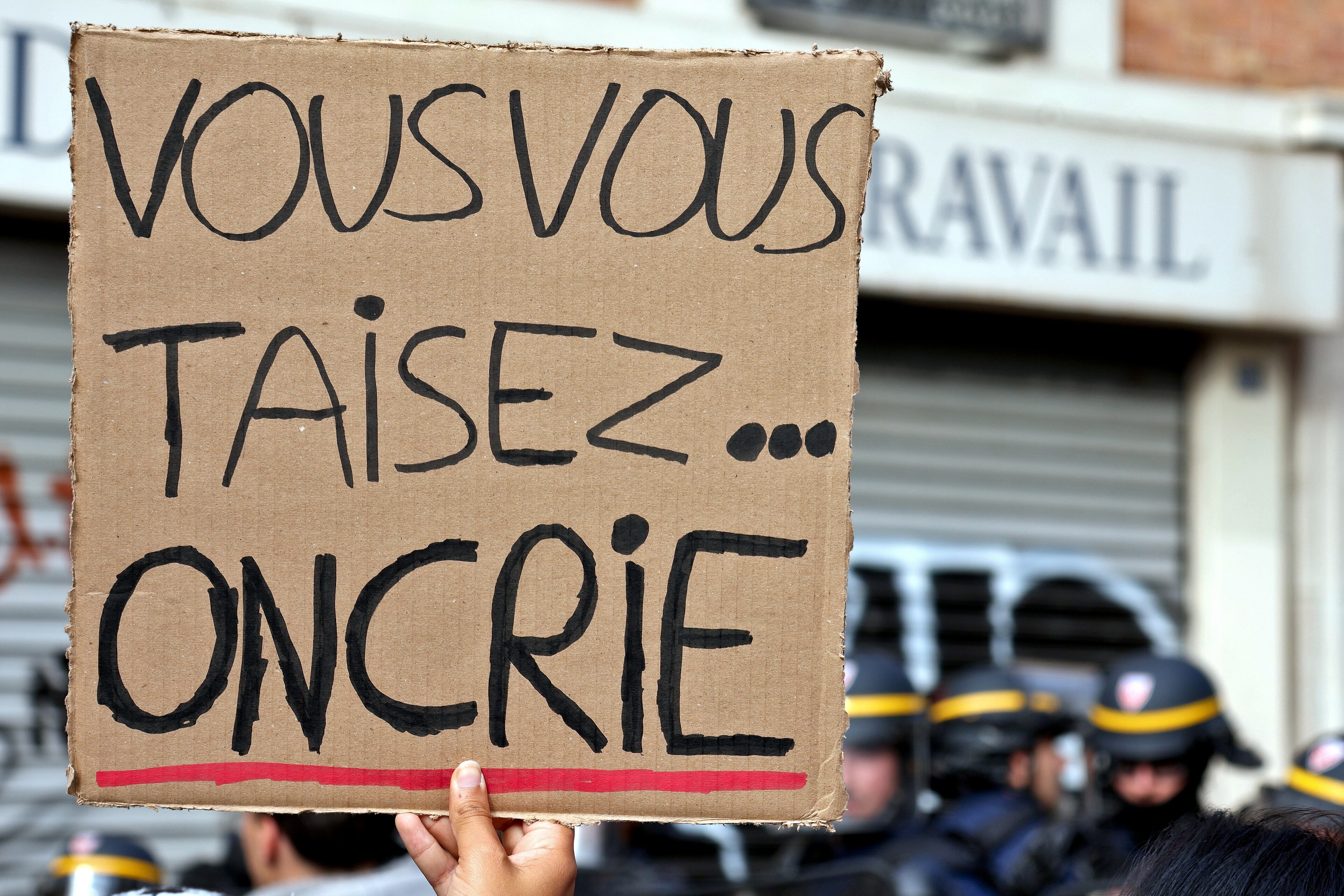
Photo: FreCha / Wikimedia Commons, CC BY-SA 4.0
Why did the video go viral?
The picture does most of the work. A man in a suit and tie, with no helmet and no shield, stands between armed police and a crowd of kids.
Politicians do not usually do this. This one walked to the front line.
His own story made it hit harder. He grew up in Saint-Denis and went to school in the same streets as many of these students. In the replies, fans cheered him like a big brother more than an official.
His critics see something else. To them, a mayor who once called some violence legitimate has no business near a riot line. Both readings are being shared, often under the same clip.
South Africans know these pictures. Students here shut down campuses in 2015 and 2016, and police lines and tear gas were part of it. Mayors matter here in a more everyday way too. Your city's choices show up on your monthly municipal bill, and South Africans pick their councils on 4 November in this year's local elections.
What happens next?
The students are not done. Unions and student groups have called a new national day of strikes and marches for Tuesday 13 October.
The prosecutor in Bobigny has still not ruled on the police chief's file. The government still says the left is stirring things up. And the mayor still says his place is with the students.
On Tuesday the teenagers of Saint-Denis will be back on the streets. Somewhere in that crowd, there is a good chance of a grey suit, and a pair of open arms.
Sources7
- The post that spread the clip worldwide (7 Oct 2026)
- Enzo Rabouy's original video from the Paris march (6 Oct 2026)
- Le Tribunal du Net, Bally Bagayoko tear gassed and taken out of the march
- Balkanweb, French mayor becomes shield for students, video goes viral
- Open (Italy), Who is Bally Bagayoko, the Saint-Denis mayor marching with students (6 Oct 2026)
- Sud Radio (AFP), For the mayor of Saint-Denis, an elected official belongs with angry students (1 Oct 2026)
- Amnesty International, France: Authorities must de-escalate tensions during student protests (Oct 2026)
The week's biggest stories, every Monday
One email. The stories everyone will be talking about, before they do.
Free. One email a week. Unsubscribe anytime.Keep reading
 WorldParis student protests: What happened at the Bastille and why
 WorldGen Z protests in four countries: What links them, and where AI fits
 WorldWhy an Iowa council meeting opened with "Hail Satan"