The ANC is deeply concerned about the record petrol price. Its own ministers set it
The ANC says the taxes in your petrol are within government's control. It is right. It is also the party that runs that part of government.
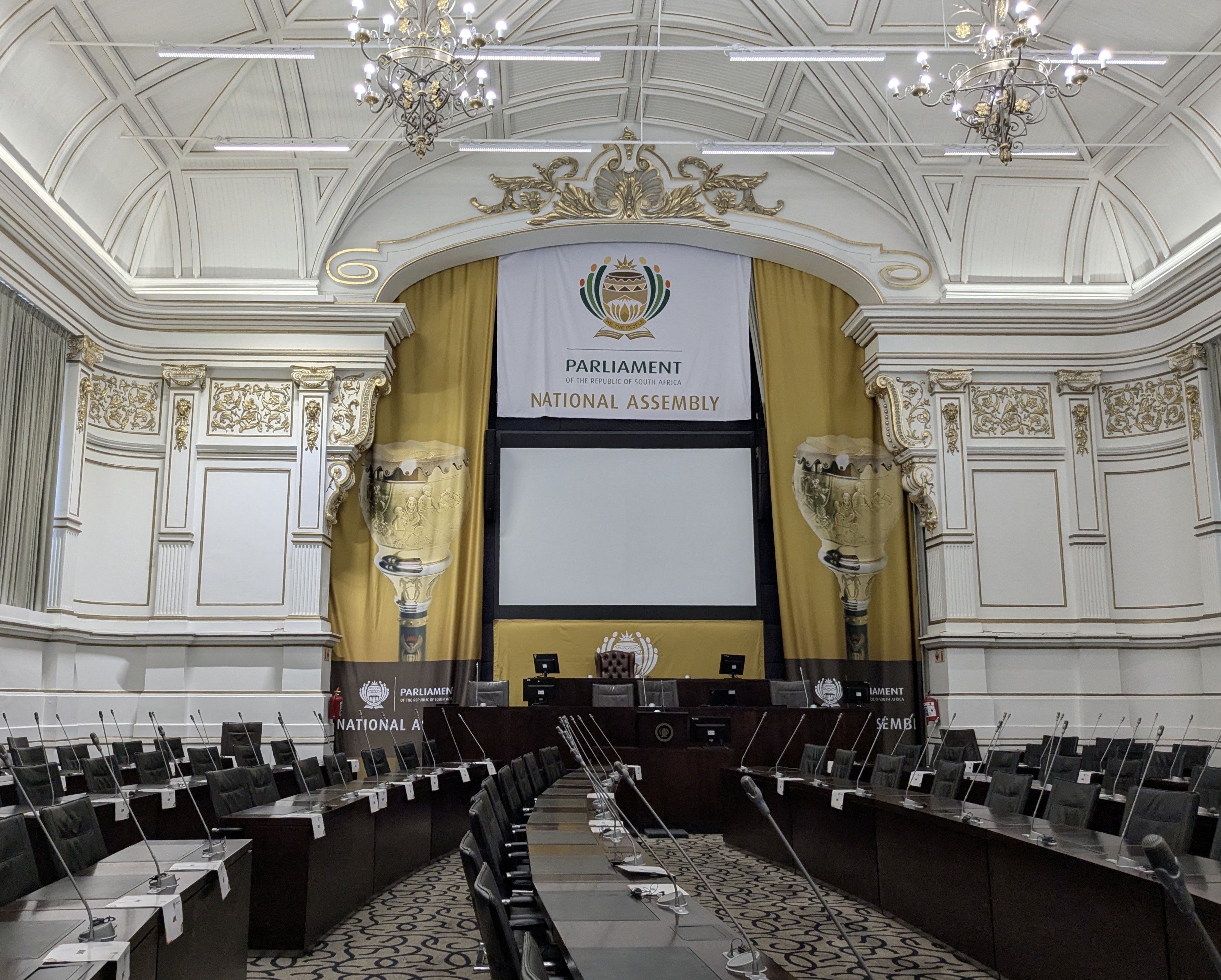
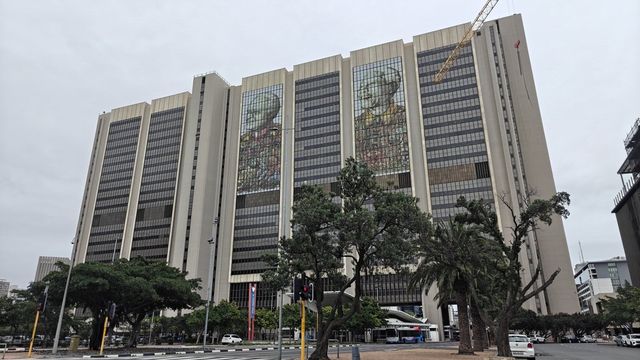
Photo: Portland Seminary of George Fox University / Wikimedia Commons, CC BY-SA 4.0
- The ANC's own statement says fuel taxes are within government's control
- The minister who sets those taxes is an ANC member
- One date will show if the ANC listens to itself
212,548.
That is how many times people viewed a short ANC post on X on Wednesday, the day petrol in Gauteng hit a record R30.25 a litre. The post had a title and two pages of text. It drew 635 replies and just 319 likes.
The statement came from the ANC Study Group on Minerals and Petroleum Resources. It said the group "notes with deep concern" the jump of around R3 a litre. It asked National Treasury to urgently look again at the taxes in the price.
The replies spotted the problem straight away. The ANC was asking the ANC for help.
What did the ANC say about the fuel price?
The statement is short and fairly plain. The group blames the rise mostly on "factors beyond our borders", meaning world oil prices and the rand. Then comes the line that set people off: "While global prices are outside government's control, the taxes and levies within the fuel price are not."
It calls the rise a cost-of-living crisis. People will pay more to get to work, food will cost more, and poor homes that cook with paraffin will be hit hardest, it says.
Then it makes its ask. It calls on Treasury to reconsider the fuel taxes, including the General Fuel Levy and the Road Accident Fund levy, for "immediate relief" to workers, commuters and households.
Isn't the ANC the government?
Mostly, yes. That is the joke.
Since 2024, South Africa has been run by a Government of National Unity, a coalition of ten parties. But the ANC is still the biggest party, and it holds the two jobs that matter most at the pump.
| Who decides | What they control | Minister | Party |
|---|---|---|---|
| Mineral and Petroleum Resources | Sets the fuel price each month | Gwede Mantashe | ANC |
| National Treasury | Sets the fuel levy and the RAF levy | Enoch Godongwana | ANC |
| Transport | Runs the Road Accident Fund | Barbara Creecy | ANC |
So the ANC study group asked an ANC finance minister to cut a tax that ANC budgets set. The study group even shares a name with the department whose price it was criticising.
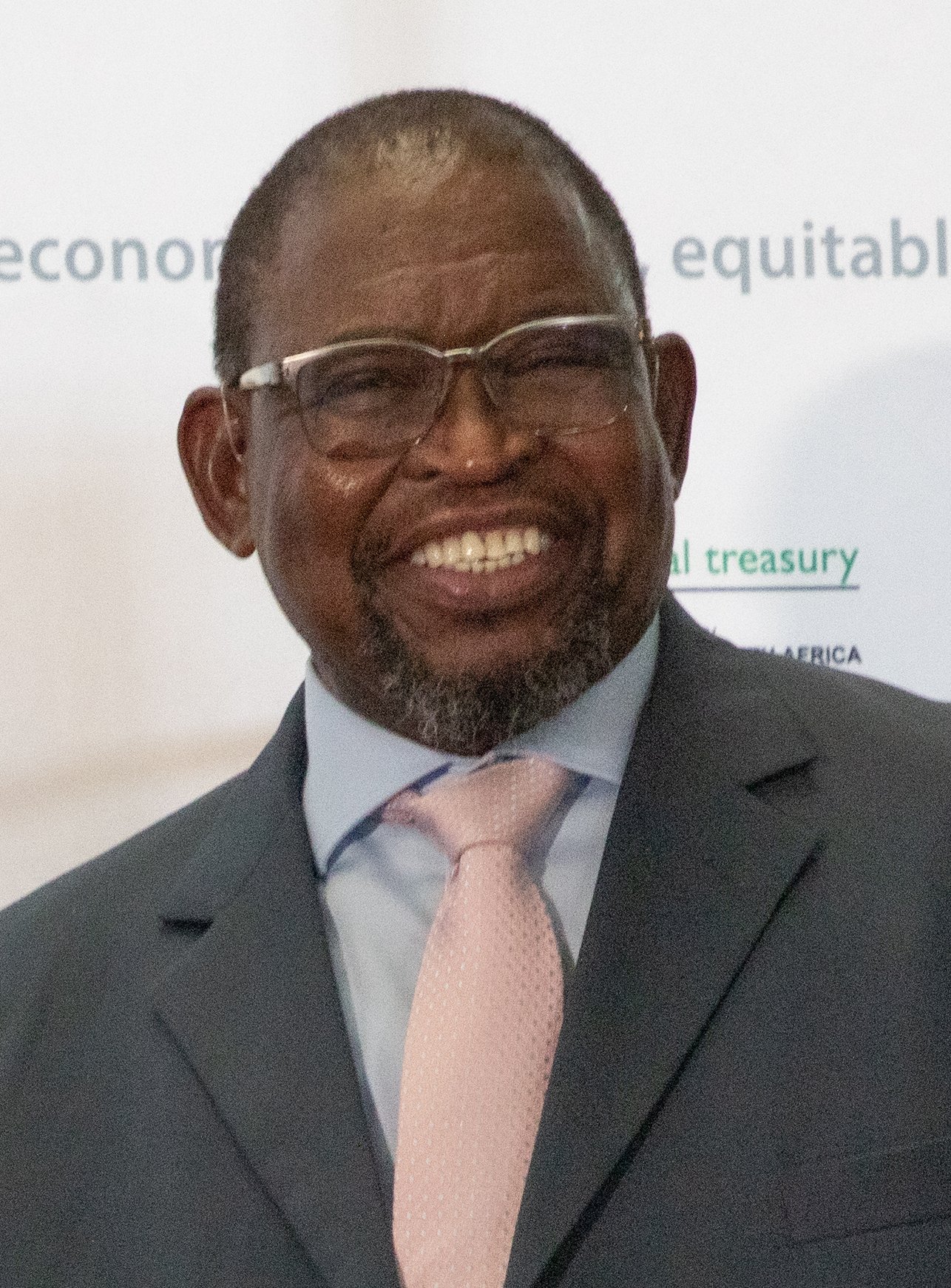
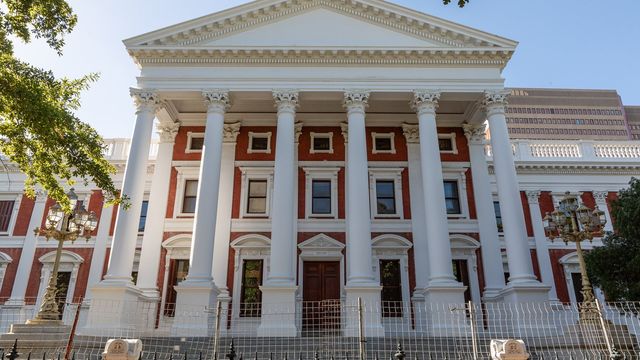
Photo: US Embassy South Africa / Wikimedia Commons, CC BY 2.0
Who actually sets the petrol price in South Africa?
The state does, every month. The Central Energy Fund collects the data, and the minister of mineral and petroleum resources announces the new price. Petrol stations cannot charge more or less for 95 than the set price.
The government's own price sheet for October shows what sits inside one litre of 95 in Gauteng.
| The fuel itself, shipped here | R17.44 | 58% |
|---|---|---|
| Taxes and levies | R7.46 | 25% |
| Margins and transport | R5.36 | 18% |
| Pump price | R30.25 | 100% |
Taxes and levies: General fuel levy and customs R4.33, Road Accident Fund levy R2.25, slate levy R0.88. Source: Central Energy Fund price structure, 7 October 2026.
So R7.46 of every litre is tax and levies. That is about a quarter of the price, and around R373 on a 50-litre tank. For the full line-by-line recipe, see our breakdown of where every rand of a R30.25 litre goes.
One satirical account mocked the statement within a day. Its post said over 34% of the pump price is tax. The official sheet puts it closer to 25%, but the rest of the joke landed. The account rewrote the statement as the ANC promising to fight the ANC government on your behalf, through the ANC Study Group. It ended by calling it "a developing, make believe story."
What is an ANC study group?
In Parliament, each big party splits its MPs into study groups. Each group shadows one government department and its committee. The ANC Study Group on Minerals and Petroleum Resources is the ANC's team of MPs who follow Mantashe's department.
Their job is oversight. That means asking questions, pushing for changes and holding ministers to account. The statement ends with exactly that promise: The group says it will keep watching the fuel price system "in the interests of the working class."
That is why the replies were so sharp. The MPs promising to watch the minister belong to the same party as the minister.
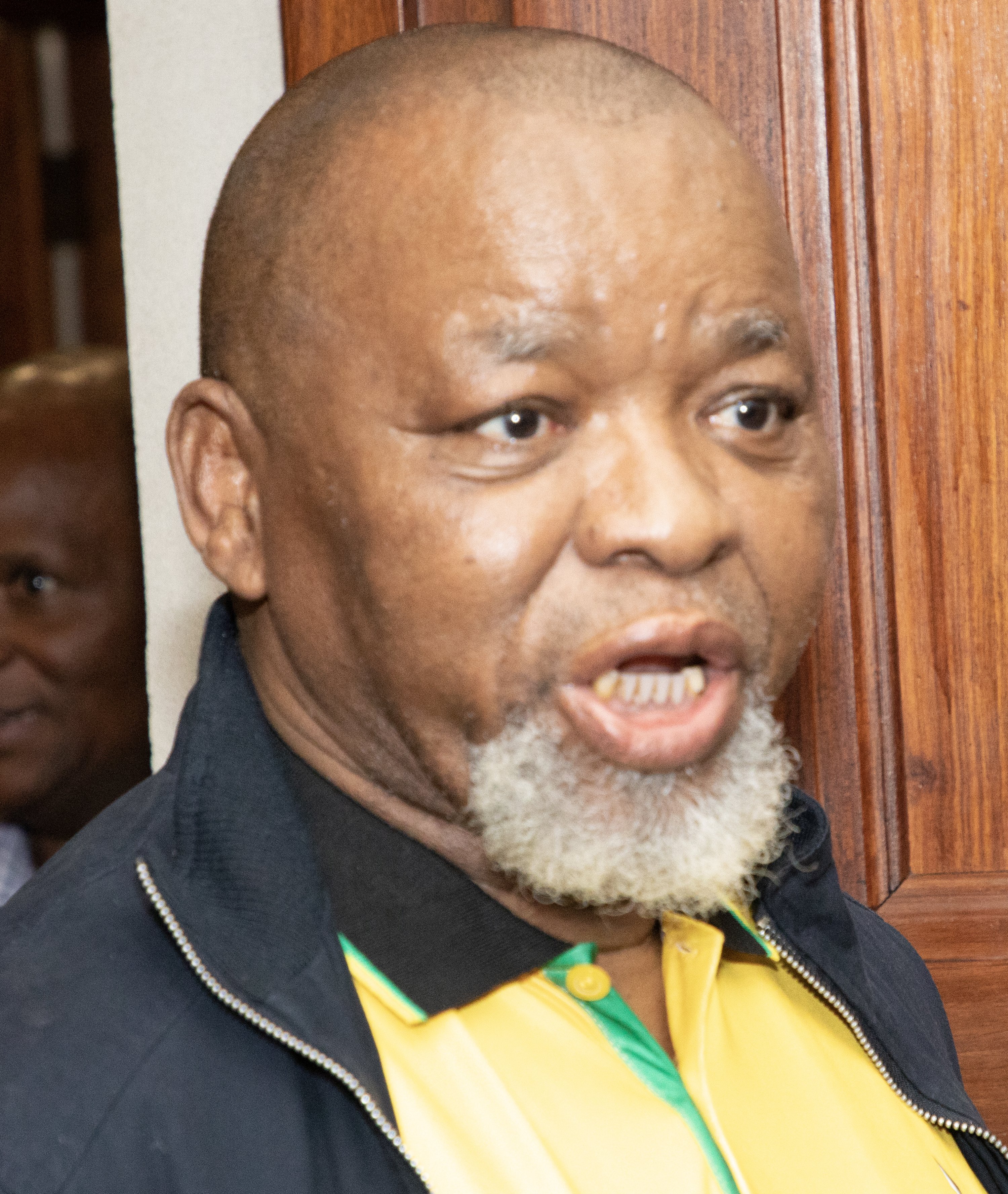
Photo: US Embassy South Africa / Wikimedia Commons, CC BY 2.0
What are people saying about the ANC statement?
The replies under the post read like a roast. One person asked for a commission of enquiry, staffed by ANC structures. Others called for a national strike against the ANC.
Many brought up the strategic oil reserve. Between December 2015 and early 2016, the state sold about 10 million barrels of emergency crude for $280.8 million. In 2020, the Western Cape High Court overturned the sales and found the fund's then CEO had taken bribes.
People link it to today for a simple reason. A full reserve is meant to help a country ride out a price spike like this one. The reserve held 8,052,427 barrels in April, the minister told Parliament.
Has the ANC government cut the fuel levy before?
Yes, twice in five years, and the statement says so itself.
In 2022, after Russia invaded Ukraine, government held back R1.50 a litre and later 75 cents. This year it cut R3 a litre from April to June, during the Middle East war. That relief cost Treasury R17.2 billion.
The ANC was happy then. On 29 April, its own Study Group on Finance welcomed the extension of the R3 cut. It said the measure would "help reduce pressure on transport and other everyday expenses".
But Godongwana has since closed the door. In Parliament in September, he warned that offsetting the rises through the budget would shift the cost to taxpayers or to more borrowing. By Treasury's own maths, each R1 off the levy costs about R2 billion a month. We explain that trade-off in why government keeps saying no to another fuel levy cut.
Photo: Gsalamander / Wikimedia Commons, CC BY-SA 4.0
What else does the statement ask for?
Here the statement turns to the long game, and it is fairer than the jokes suggest.
It admits that a levy cut is only temporary. The lasting fix, it says, is to stop relying on imported refined fuel. Several local refineries have shut in recent years, so most of South Africa's fuel now arrives by ship.
The group backs the South African National Petroleum Company, a new state oil company. Mantashe tabled the bill to create it in February. It would take over PetroSA, iGas and the Strategic Fuel Fund, the same fund that sold the reserve. The study group wants the Central Energy Fund and Mantashe's department to fast-track getting local refining back.
Then comes the line many readers found the funniest. The group says it trusts that oil prices will ease and the rand will strengthen, so drivers get relief in November.
Will petrol go down in November?
Not if early data holds. The first days of Central Energy Fund data point to a rise of about R4.58 a litre on 95 in November. That would put Gauteng close to R35. Our running forecast for next month's petrol price tracks the numbers as they move.
The new price lands on Wednesday, 4 November. That is the same day South Africans vote in the local government elections.
When will the ANC answer the ANC?
On Wednesday, 21 October at 14:00, Godongwana stands up in Parliament to table his mid-term budget.
The ANC study group asked for "immediate relief". The ANC finance minister holds the only pen that can give it. Two weeks before an election, with petrol heading for R35, the party gets to answer its own letter in front of the whole country.
Sources10
- The satirical post that mocked the statement (8 Oct 2026)
- ANC Study Group on Minerals and Petroleum Resources, statement on the fuel price increase (7 Oct 2026)
- Central Energy Fund for DMPR, October 2026 fuel price structure
- ANC Parliamentary Caucus welcomes the extension of the fuel levy relief (29 April 2026)
- National Treasury and DMPR, extension of fuel levy relief, R17.2 billion cost (28 April 2026)
- BusinessTech, Godongwana in Parliament on fuel relief (9 September 2026)
- TimesLive, Mantashe tables bill to create state petroleum group (14 Feb 2026)
- Acts Online, committee calls for submissions on the SANPC Bill (June 2026)
- Supreme Court of Appeal, Central Energy Fund v Venus Rays Trade (strategic oil reserve sale)
- National Treasury, 2026 MTBPS to be tabled on 21 October
The week's biggest stories, every Monday
One email. The stories everyone will be talking about, before they do.
Free. One email a week. Unsubscribe anytime.Keep reading
 PoliticsA Cape Town municipal bill, line by line, and where the money goes
 PoliticsWhy there is no fuel levy cut, and what one would cost
 PoliticsPetrol broke R30 a litre. We followed the money