7.7, then 6.6 two and a half hours later: The double earthquake that cracked a Panama cathedral
The ground shook twice in one morning. Buildings cracked, schools closed and the sea was watched for hours. Then the ships carried on.
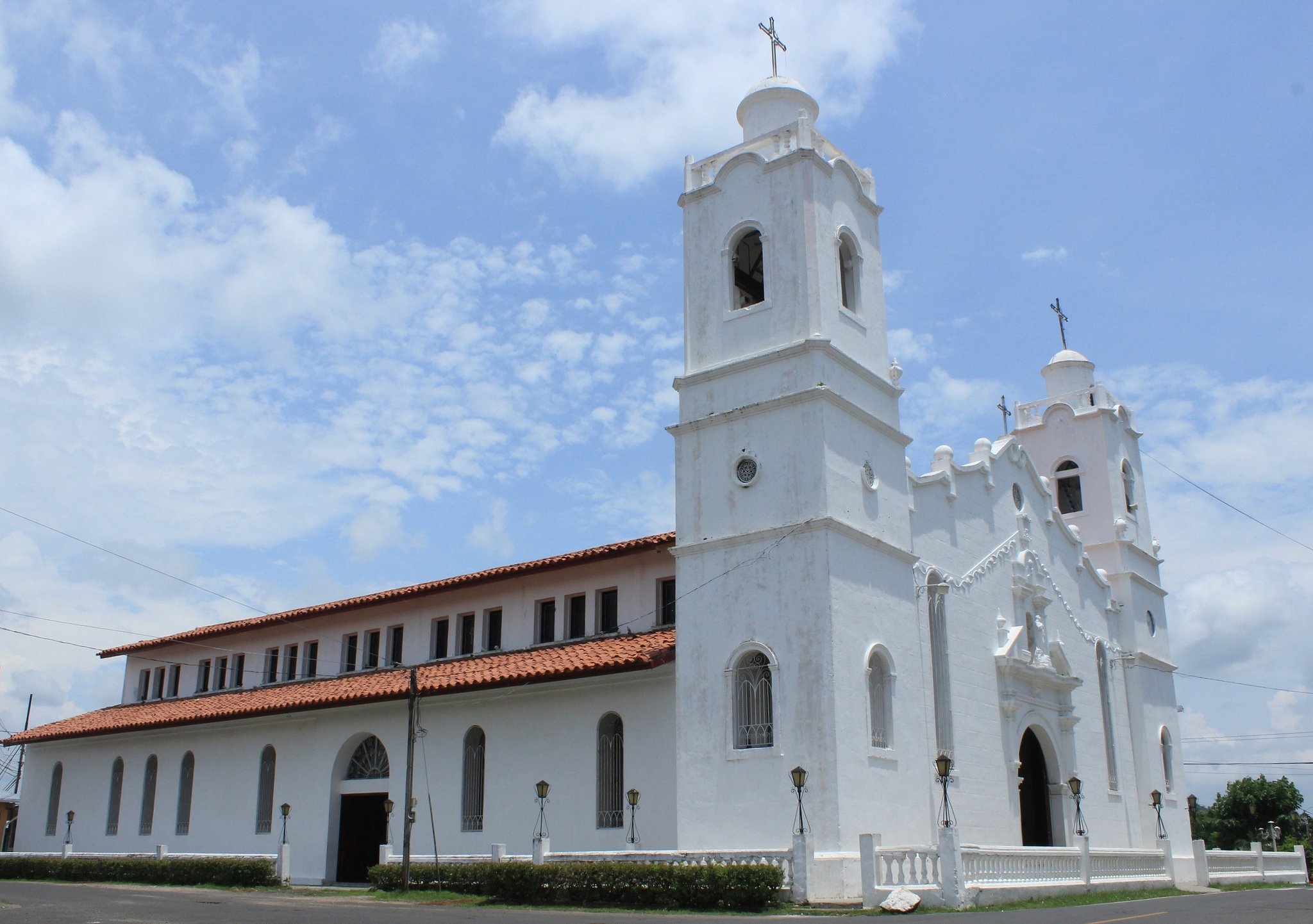
Photo: Anelly Celis from Panama, Panamá / Wikimedia Commons, CC BY 2.0
- A 7.7 quake was followed by a 6.6 just two and a half hours later
- A cathedral in Penonomé cracked and a church collapsed
- The canal authority says ships kept moving
7.7.
That is the size the US Geological Survey (USGS) gave to the earthquake that hit Panama on Friday 9 October 2026. Two and a half hours later, the ground shook again. The second quake was a 6.6.
Panama City swayed. People ran into the streets. Tsunami alerts went out in several countries. And through all of it, the Panama Canal Authority says, the canal kept working.
How strong was the Panama earthquake?
Big. The USGS put the first quake about 7 miles (11 km) southwest of a small community called Pitaloza Arriba, near Panama's southern coast. It struck about 7 miles (11 km) below ground, which is shallow for a quake this size.
Early reports said 7.6. It was then given as 7.7. Al Jazeera's own photo caption still shows 7.6, so you will see both numbers online.
A quake this shallow tends to shake the ground harder, because the energy has less rock to travel through before it reaches the surface. That may help explain why buildings in Penonomé, well away from the epicentre, still lost balconies and a tower.
The second quake came about two and a half hours later. The USGS placed it about 8 miles west of Río Grande, on the Pacific coast. It was about 6 miles deep.
| Event | Size | What the USGS says |
|---|---|---|
| First quake | 7.7 | About 7 miles SW of Pitaloza Arriba, about 7 miles deep |
| Second quake | 6.6 | About 2.5 hours later, 8 miles west of Río Grande, about 6 miles deep |
| Aftershocks | 5.8, 5.5, 5.2 | Seismologists at the University of Panama counted more than 45 |
Source: USGS figures as reported by CBS News (9 Oct 2026), Al Jazeera.
The first jolt arrived on Friday morning. By the time schools were ordered shut and the airport was closed, the second was still to come.
Some outlets call the second quake an aftershock. Others call it a separate powerful earthquake. Either way, people in Panama felt two big jolts in one morning.
What fell down in Penonomé?
The city of Penonomé sits roughly halfway between the epicentre and Panama City. It took the worst of the damage.
 Read nextPope Leo XIV on beauty, tech and why young people need to slow down
Video from the newspaper La Prensa, reported by Al Jazeera, showed the tower of a historic building collapsing. Several balconies on a residential block also fell.
CBS News adds the details. The cathedral in Penonomé's main square partly collapsed and cracked. The governor's office building and the Dos Continentes hotel were damaged too.
In Los Santos province, the Church of San Atanasio collapsed. In Veraguas, large cracks opened along roads.
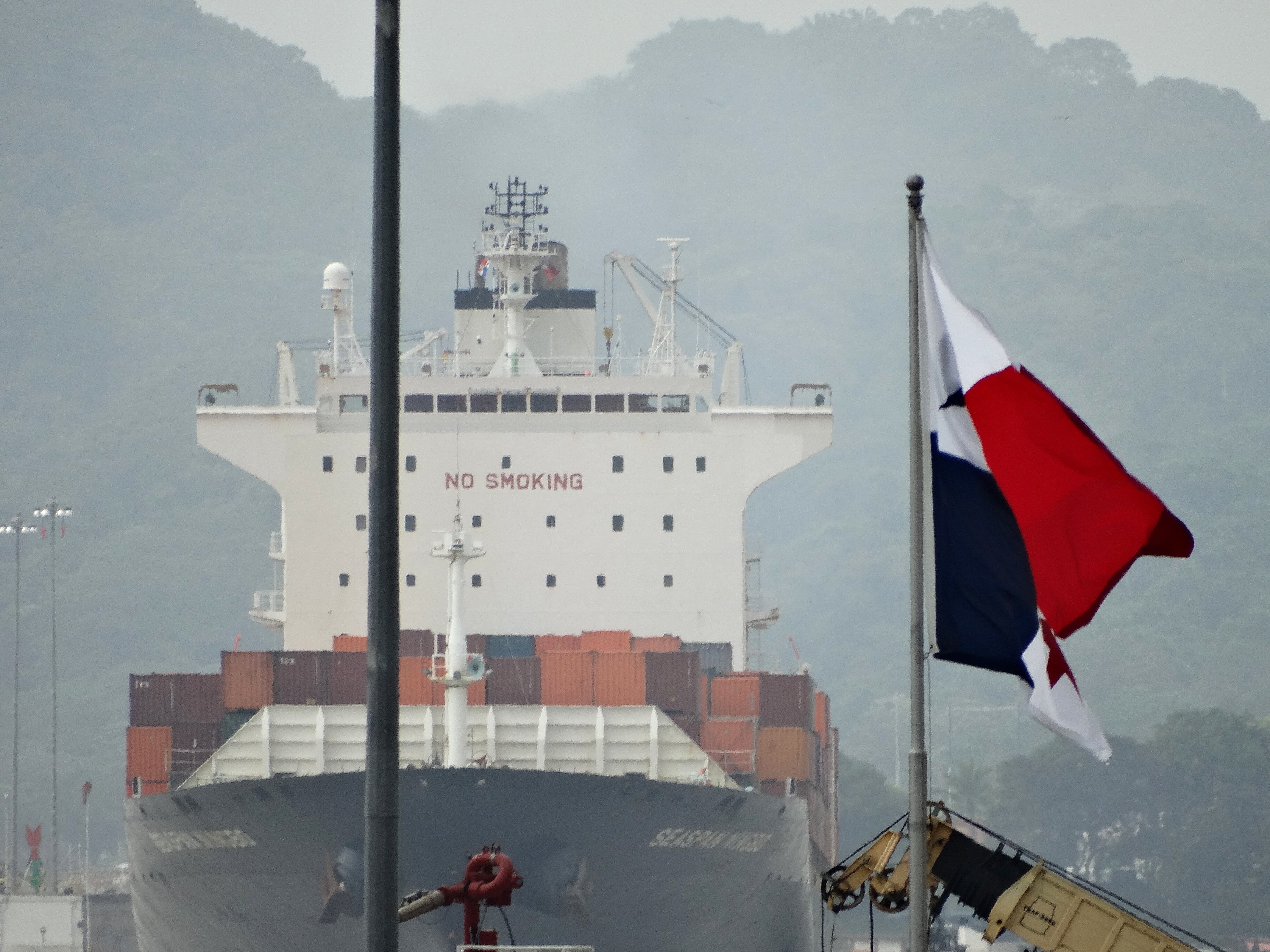
Photo: Adam Jones / Wikimedia Commons, CC BY-SA 2.0
Did anyone die in the Panama earthquake?
Not as of Friday evening, according to President José Raúl Mulino. He said no deaths or injuries had been documented yet, but warned that could change.
Omar Smith of Panama's National Civil Protection Service reported several injuries, including one person hit by debris from a partly collapsed building in Penonomé. Smith said there were no reports of damage in the capital.
The damage was concentrated in Veraguas, Herrera and Los Santos provinces.
Rosendo Dominguez, 60, from Herrera province, told the Associated Press: "We felt it very strongly. It knocked things over in the kitchen, but we're okay, though we're very scared."
Mulino said: "Nobody was ready, and no one is ever ready for this type of disaster." He also asked people to stay calm, saying the quake "should not be used to cause alarm or disorder."
Which countries got tsunami warnings?
Alerts went out across Latin America within minutes. The US National Weather Service issued warnings for Panama, Colombia, Ecuador, Nicaragua and Guatemala. Chile's naval hydrographic service issued one as well.
People near the coast waited, phones in hand, watching for news of waves. Fishing communities and port towns along the Pacific are the ones most at risk when a quake like this strikes under the sea floor. The US Pacific Tsunami Warning Center later said the threat to Panama's coast had passed.
 Trending nowPetrol broke R30 a litre. We followed the money
Schools were ordered shut. Tocumen International Airport in Panama City stopped operations after the first quake, then said on Friday afternoon that it was reopening.
Did the Panama Canal stop?
No, according to the Panama Canal Authority. It said operations were continuing normally. Its stated priority was the safety of employees, ships and crews, and technical teams were inspecting facilities for possible damage.
That matters far beyond Panama. The canal is one of the busiest shortcuts in world shipping, and ships queue for slots.
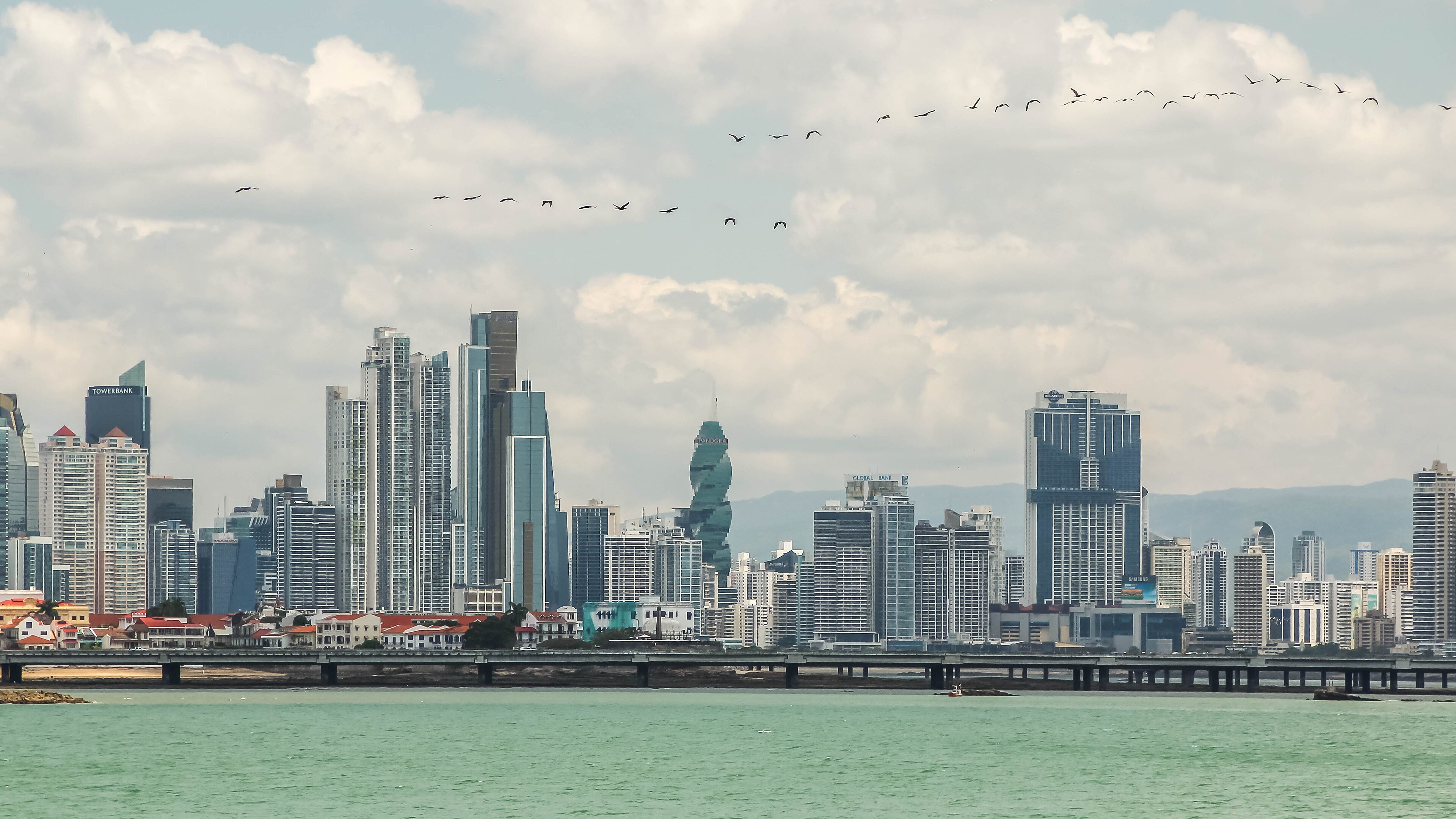
Photo: Dr. Thomas Liptak / Wikimedia Commons, CC BY-SA 4.0
We have not seen any report of damage to the canal itself. The inspections were still under way when the authority spoke.
Is 2026 a bad year for Latin American earthquakes?
It has been brutal. Al Jazeera notes two earlier disasters this year.
| Month | Where | Result |
|---|---|---|
| June 2026 | Northern Venezuela, twin quakes | At least 6,500 killed |
| August 2026 | Colombia, magnitude 7.4 | At least 289 killed |
| October 2026 | Panama, magnitude 7.7 and 6.6 | No deaths documented as of Friday evening |
Source: Al Jazeera, 9 October 2026, and President Mulino as reported by CBS News.
Look at the last row. A 7.7 releases about 2.8 times more energy than a 7.4, on the standard scale where each whole step up is about 32 times more.
Yet the Panama count, so far, is zero deaths. Depth, distance from cities and building quality all play a part. The epicentre was in a thinly populated part of the south coast.
What will people remember about the day Panama shook twice?
The USGS reported the numbers and Panama's scientists are still counting aftershocks. The rest is pictures.
A cracked cathedral in a town square. A tower on its side. A sea watched for waves that never came. A canal that carried on. A president telling his country that nobody was ready.
And a death count that, for now, reads zero after a 7.7 and a 6.6 in the same morning.
Liked this story? Get the next one free.
One short email every weekday at 6am. The top stories, before everyone is talking about them.
Free. One email each weekday. Unsubscribe anytime.Sources4
Keep reading
 WorldA man died in a tiger enclosure. The tiger is fine, police say
 WorldCars and a city bus were dragged down a Santiago street. Here is what we know
 WorldWhy an Iowa council meeting opened with "Hail Satan"