How safe is high-speed rail, really?
Fast trains have killed people. They have also carried billions of passengers without a scratch. Here is what the official numbers actually say.
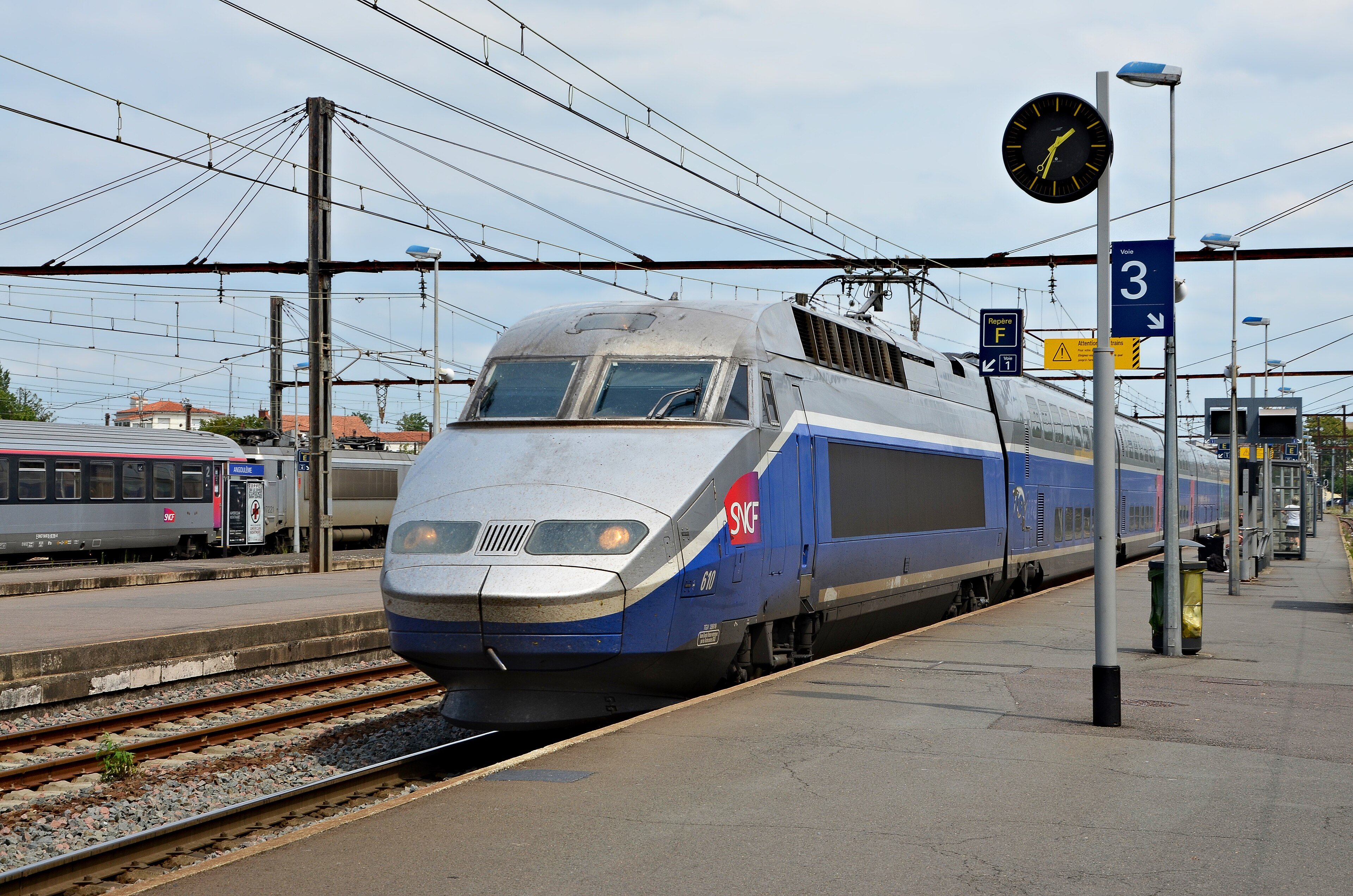
Photo: JLPC / Wikimedia Commons, CC BY-SA 3.0
- A car passenger is about 28 times more likely to die per kilometre than a train passenger
- Japan's Shinkansen has never had a passenger die in a derailment or collision since 1964
- Every fatal high-speed rail crash in the world fits on one table, and most trace back to one failure point
High-speed rail is one of the safest ways to travel that exists. On official European transport data, a car passenger is roughly 28 times more likely to die per kilometre travelled than someone on a train, and high-speed lines have an even tighter safety record than ordinary rail.
That answer sits next to a hard fact. On Wednesday 28 October 2026, two trains collided on the Madrid-Seville high-speed line near Urda in Toledo province, Spain, killing at least 68 people. A signalling failure stopped six trains on the line, then one was wrongly allowed to move again and hit a stopped train after travelling 25km. The crash is still under investigation.
Both things are true at once. Fast trains are extremely safe by the numbers, and fast trains can still kill a lot of people in one bad hour when something in the chain breaks. This guide lays out exactly how safe high-speed rail is, what has actually gone wrong on it since it began, and whether your next trip should worry you.
How does train safety actually compare to cars and planes?
A train passenger in the EU faces about 0.09 deaths per billion kilometres travelled, against 2.52 for a car passenger. That figure comes from European Commission transport safety work. Flying is close behind trains at 0.08 deaths per billion kilometres. Buses sit at 0.24. Motorcycles are by far the worst, at 36.41.
 Read nextEverything that broke on 21 October 2026, and why one master key was the number 4
In plain terms, you would need to travel the same distance roughly 28 times over before a train trip carried the same risk as one car trip of that length. In the United States, the National Safety Council's ten-year review of transport deaths found car drivers and passengers are more than ten times as likely to die per mile as passenger rail riders.
Most of the people who die on railways each year are not passengers at all. The International Union of Railways found that third parties, mostly people crossing tracks illegally or trespassing on the line, made up 98% of all rail deaths in 2019. The EU's rail safety agency recorded 750 total rail deaths across the whole of Europe in 2024, down 10.8% from 2023, and almost none of those were high-speed rail passengers. Even a slower network fighting to win riders back, like Cape Town's Metrorail after its ridership collapse, still carries people more safely per kilometre than the taxis and cars that compete with it.
Has a high-speed train ever actually crashed before?
Yes, six times with deaths, in nearly 60 years of high-speed rail running worldwide. That is the real headline number people searching this question want, so here it is in one table, built from official investigation findings and contemporary news reporting.
| Date | Country | Line or train | Deaths | Official cause |
|---|---|---|---|---|
| 3 June 1998 | Germany | ICE 1, Hannover-Hamburg line, near Eschede | 101 | A wheel tyre failed from metal fatigue, derailing the train into a road bridge, which then collapsed onto it |
| 23 July 2011 | China | D301/D3115, Yong-Tai-Wen line, near Wenzhou | 40 | Lightning disabled a faulty signal control box that kept wrongly showing the line as clear, so one train rear-ended a stopped one |
| 24 July 2013 | Spain | Alvia, Madrid-Ferrol line, near Santiago de Compostela | 79 | The driver took a curve at 179 km/h in an 80 km/h zone while distracted on a phone call |
| 14 November 2015 | France | TGV test run, LGV Est line, near Eckwersheim | 11 | Late braking during a test run let the train enter a curve at 265 km/h against a 176 km/h limit |
| 6 February 2020 | Italy | Frecciarossa 1000, Milan-Bologna line, near Lodi | 2 | A track switch was left in the wrong position after overnight maintenance |
| 28 October 2026 | Spain | AVE/Iryo collision, Madrid-Seville line, near Urda | At least 68 | Under investigation. A signalling failure stopped six trains, then one was wrongly cleared to move and hit a stopped train |
Sources: BEA-TT French rail accident bureau, Lodi prosecutor's office via New Civil Engineering, Spanish court filings reported by CBS News and Fox News, the 2011 Chinese government investigation reported by multiple outlets, and Al Jazeera and ABC News reporting on the 2026 Spain crash.
Why do these crashes keep coming back to the same few causes?
Four of the six fatal crashes above trace back to one of two failures: A train going too fast into a curve, or a signal system that failed to stop a train from hitting one in front of it. Mechanical failure caused one (Eschede), and bad maintenance caused another (Lodi).
Photo: Leif Jørgensen / Wikimedia Commons, CC BY-SA 4.0
Modern high-speed lines use automatic train protection, a system that is meant to apply the brakes by itself if a driver misses a speed limit or a stop signal. It worked as designed and stopped six trains safely during the Urda signal failure in 2026. The crash happened because a human decision overrode that protection and sent one train moving again into danger. The 2013 Spain crash and the 2015 France crash both happened on sections where the automatic speed protection was not covering that specific stretch of track, so the driver's own judgement was the only safety layer left.
 Trending nowLeon Lotz: The farmer the world won't believe
Wheel and axle failures, the Eschede cause, are now caught earlier because operators run regular ultrasonic scans of wheels looking for the kind of hairline fatigue crack that brought that train down. Track switches, the Lodi cause, are now double-checked electronically in most networks rather than relying on a maintenance crew's word that a switch was put back.
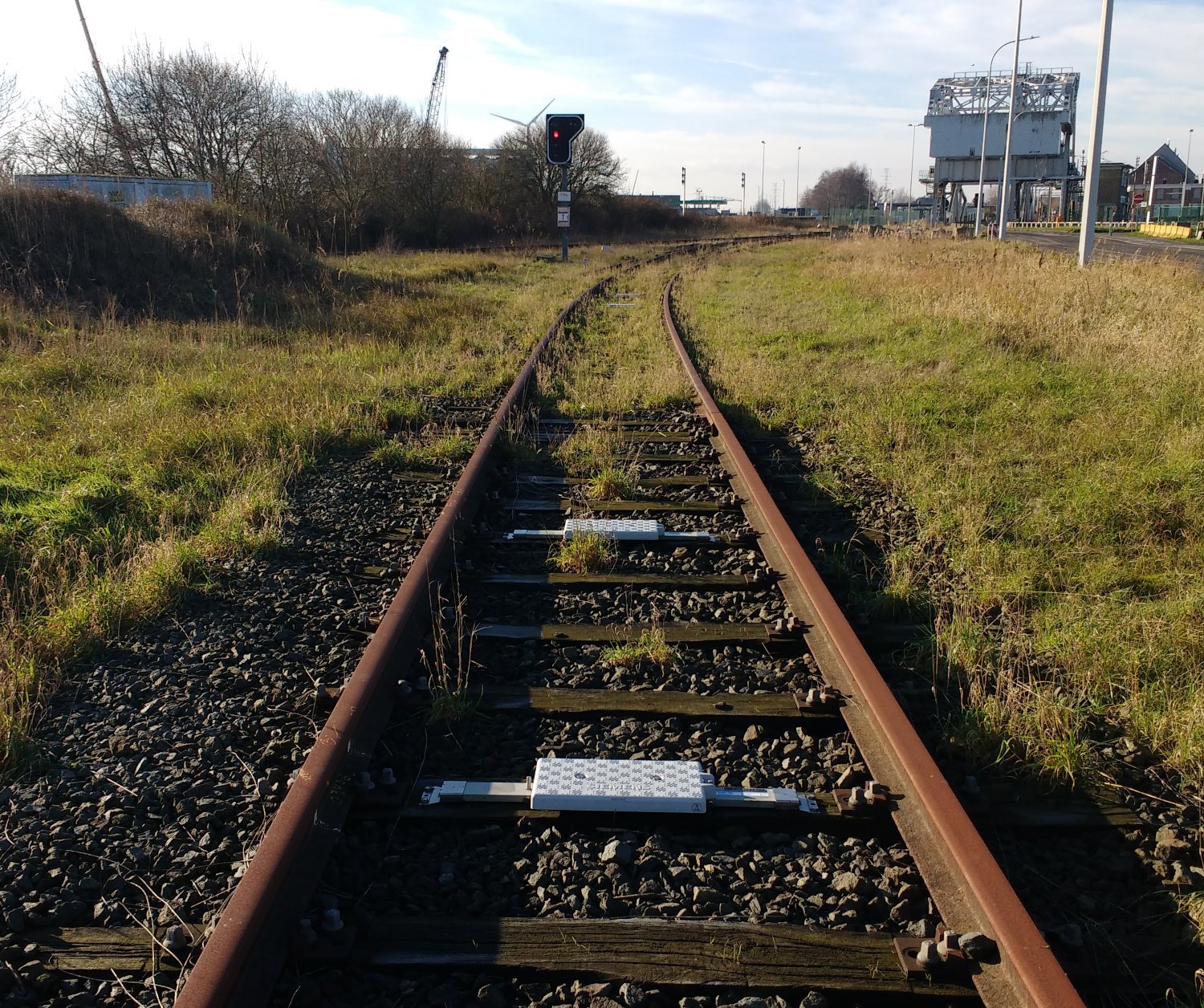
Photo: M!dgard / Wikimedia Commons, CC0
Why has Japan's bullet train never had a passenger die in a crash?
Japan's Shinkansen network has carried passengers since 1964 and has never had one die in a derailment or collision, across more than 10 billion passenger journeys. That is 61 years without a single fatal crash on one of the busiest and fastest rail networks on Earth, running through a country that gets major earthquakes.
The record holds up partly because Japan built dedicated track for the Shinkansen from day one, with no level crossings, no shared freight traffic and no sharp curves rated above the train's safe speed. Every Shinkansen line also has an earthquake detection system that automatically slows or stops trains the moment it senses strong ground shaking, before the worst of the shockwave arrives.
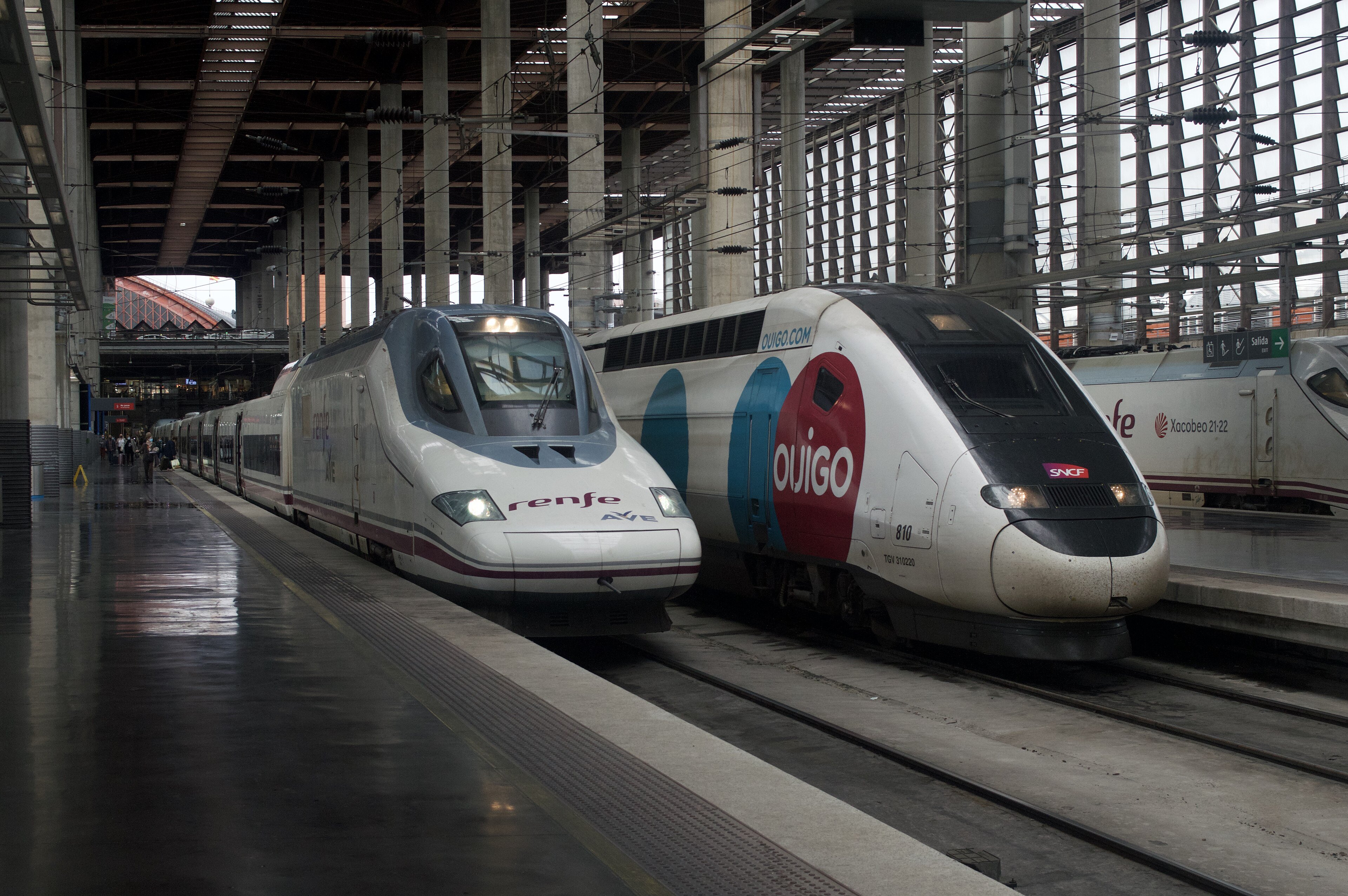
Photo: Phil Richards / Wikimedia Commons, CC BY-SA 2.0
Should you actually be worried about your next train trip?
No. The numbers say a high-speed train is one of the safest vehicles you can step onto, safer than the car that takes you to the station. Six fatal crashes in almost sixty years of fast rail, against billions of trips taken without incident, is the kind of safety record most forms of transport never get close to.
What the Spain crash of 28 October 2026 actually shows is where the one weak point in the whole system still sits: Not the train, not the track, but the moment a human being overrides what the automatic system is trying to do. Every other mechanical risk on high-speed rail has been engineered down to almost nothing. That single human decision point is the one investigators keep finding at the bottom of the worst crashes, and it is the one line of code and procedure still being rewritten after every single one.
Get the stories that hit your pocket
Petrol, SARS, Eskom, grants and the news everyone is talking about. One short email every weekday at 6am.
Free. One email each weekday. Unsubscribe anytime.Latest on this
 1 Nov 2026Spain train crash: What the leaked tapes reveal
 29 Oct 2026Spain's train crash: The 24 minutes, minute by minute
Sources9
- Al Jazeera, train crash in Spain kills at least 68 people (28 Oct 2026)
- ABC News, 'inexplicable' order probed as cause of Spain train crash that killed at least 68
- CNN, Spain train crash live coverage (28 Oct 2026)
- European Union Agency for Railways, Safety Overview 2025 (data to 2023)
- Eurostat, railway safety statistics in the EU
- Railway News, risk of death per billion passenger km by transport mode (European Commission data, 2019)
- HSRail.org, the Shinkansen's operation and safety record since 1964
- BEA-TT (French rail accident investigation bureau), Eckwersheim derailment English summary
- New Civil Engineering, maintenance fault caused Italy's Lodi high-speed train derailment
Keep reading
 ExplainedWhat your rights are if a cruise line cancels or abandons your voyage
 ExplainedMiyoko's vegan butter recall: Is your tub one of 7,824?
 ExplainedWho pays when a courier damages your parcel? Not you, and not the driver