Spain stopped six trains to stay safe. Six minutes later, one was told to go
Spain's safety system did its job and stopped six trains. The question nobody in Madrid can answer is why one of them was sent on anyway.
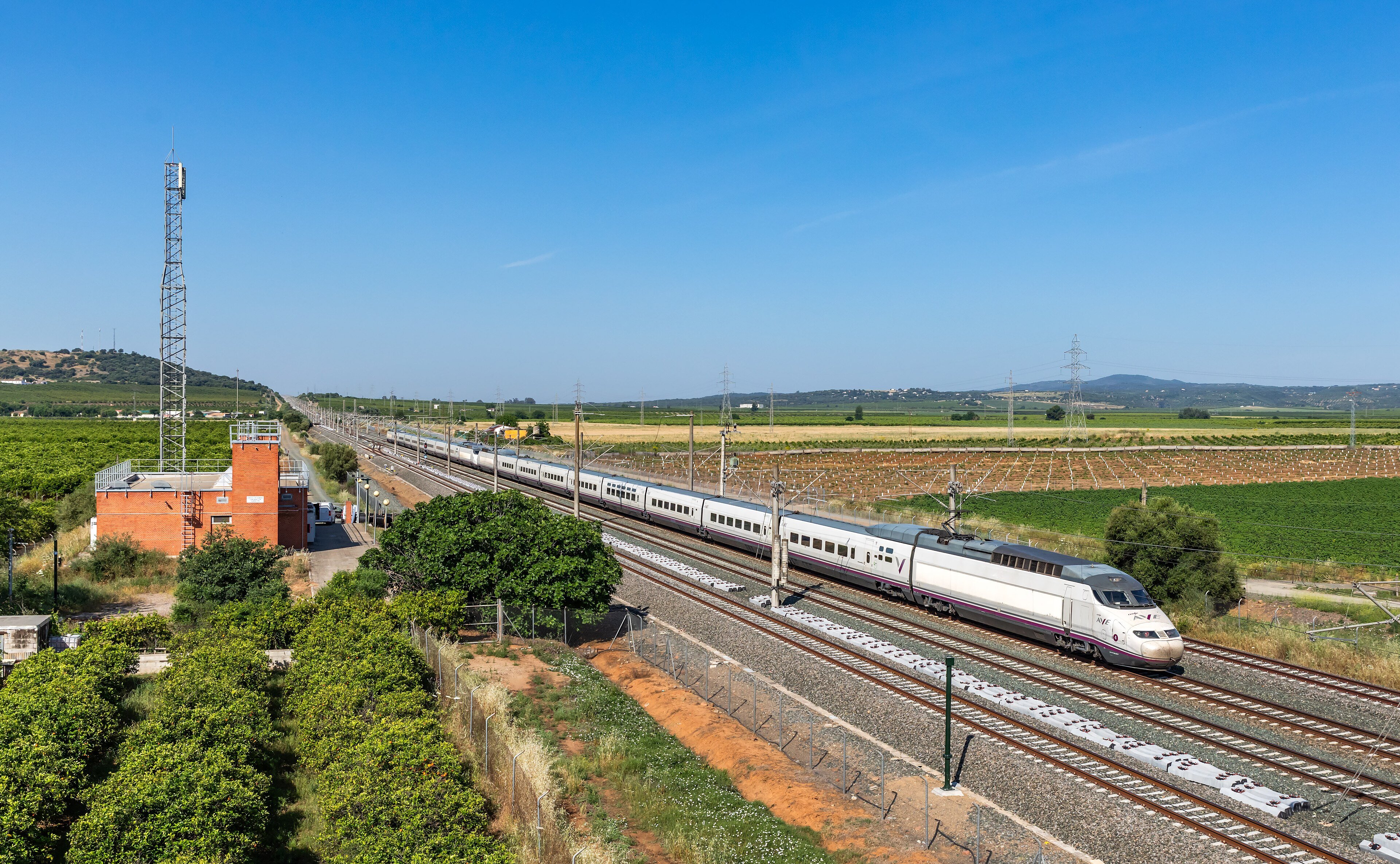
Photo: Kabelleger / Wikimedia Commons, CC BY-SA 4.0
- The protection system failed at 8:30. A train was cleared to move at 8:36
- 544 people were aboard the two trains
- Riot police used tear gas outside the ministry a day later
New to this? How safe is high-speed rail, really?
At least 68 people were killed and more than 100 injured when a Renfe high-speed train ran into the back of a stopped Iryo train near Urda, in Toledo province, on the morning of Wednesday 28 October 2026. It is the deadliest rail disaster in Spain, and in Europe, since 80 people died at Santiago de Compostela in 2013.
Spain's safety system had already spotted a problem and brought six trains to a stand. One of them was then told it could carry on.
Transport minister Óscar Puente called that decision "inexplicable". By Thursday evening, riot police were charging a crowd outside his ministry in Madrid with batons and tear gas.
How does a stopped train get hit at full speed?
The line between Madrid and Andalusia carries a train protection system called LZB. It tracks where every train is and brakes them automatically if something is wrong.
At about 8:30am that system failed across a 63km stretch of track near Urda, and it did what it is built to do. Six trains stopped, according to a reconstruction published by The Olive Press.
Six minutes later, at 8:36am, the control centre at Madrid Puerta de Atocha, run by the state infrastructure company Adif, cleared one of those trains to continue at normal speed. The signal in front of it was still red. An Iryo service was standing stationary ahead, at the entrance to Urda station.
The Renfe AVE covered the 25km between them and struck the Iryo at around 8:54am, an average of roughly 90km per hour. The speed at the moment of impact has not been established. At least two Iryo carriages went off the track and down an embankment at kilometre 118.
 Read nextAustralia went from 8 refineries to 2. New Zealand and South Africa followed
"There is no system that can come into operation when the LZB goes down," Puente said.
What happened in the 24 minutes before impact?
This is the sequence as the Spanish government, Adif and Spanish and international press have described it so far. All times are local.
| Time (28 Oct) | What happened | Source |
|---|---|---|
| 8:30am | LZB protection system fails over 63km near Urda. Six trains stop automatically | The Olive Press reconstruction |
| 8:36am | Atocha control centre (Adif) clears the Renfe AVE to resume at normal speed, red signal still showing | The Olive Press |
| about 8:54am | AVE hits the stationary Iryo after covering 25km. Two carriages fall down the embankment at km 118 | The Olive Press, CBS News |
| about 10:00am | Deaths confirmed. Regional emergency plan activated, three medical helicopters and two intensive care ambulances sent | The Olive Press |
| 12:26pm | At least 30 dead | The Olive Press |
| 1:53pm | Toll raised to 64 | The Olive Press |
| evening | Toll at 68, more than 100 injured, 15 of them in a very serious condition. Puente calls the order "inexplicable" | CNN, Al Jazeera |
| evening | Pedro Sánchez, speaking from the site, declares three days of national mourning | CBS News |
| 29 to 31 Oct | Official mourning period | Spanish government |
| 29 Oct, night | Between 500 and 1,500 people protest outside the transport ministry in Madrid. Riot police use batons and tear gas | Reuters, WION |
There were 544 people on the two trains. The AVE was carrying 397 passengers, the Iryo 147, including a baby. The Guardia Civil has questioned the Adif operator who gave the clearance. It has not been made public whether that person is being treated as a witness or a suspect.
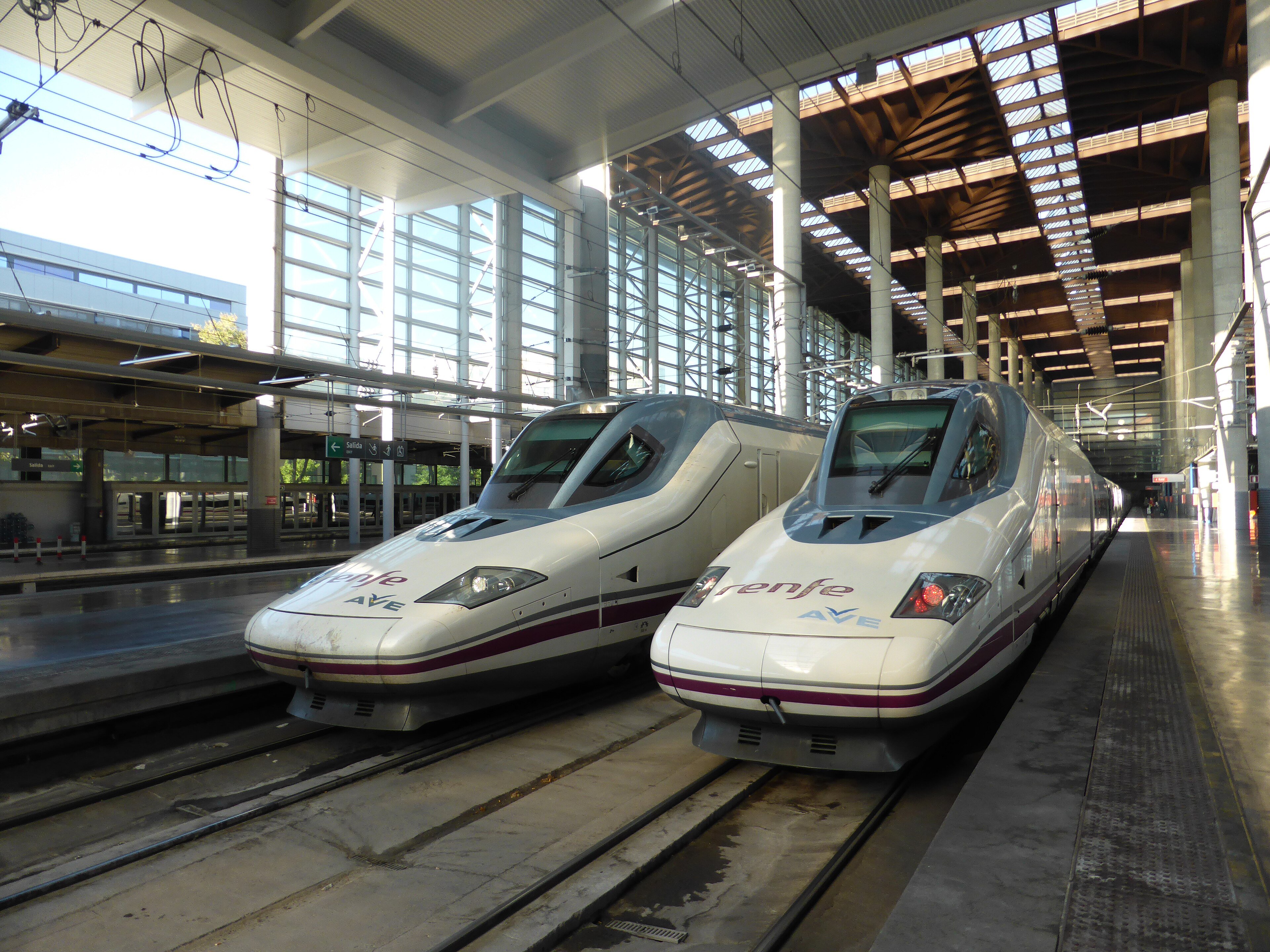
Photo: CARLOS TEIXIDOR CADENAS / Wikimedia Commons, CC BY-SA 3.0
Is this really Spain's worst train crash in over a decade?
Yes, by the official count. Reuters has kept a list of the country's deadliest rail disasters, and only three events in modern Spanish history have killed more people than Urda.
| Event | When | Deaths |
|---|---|---|
| Madrid commuter bombings (an attack, not an accident) | 11 March 2004 | 193 |
| El Cuervo, Seville | 1972 | 86 |
| Santiago de Compostela | July 2013 | 80 |
| Grisén, Zaragoza | 1965 | 30 officially, later reports claim up to 80 |
| Torre del Bierzo, León | 1944 | about 78, still debated |
| Urda, Toledo | 28 October 2026 | 68 |
| Adamuz, Córdoba | 18 January 2026 | at least 39 |
| Urduliz, Biscay | 1970 | 33 |
Figures as published by Reuters on 28 October 2026 and 19 January 2026. Older tolls are disputed by historians.
Look at the bottom two lines of that table again. Adamuz was nine months ago.
What did the people in the carriages see?
Samy Paul, a British tourist on board, told reporters the train came apart around him. "Suddenly, everything started falling apart. Bang! We fell down," he said. He described smashed carriages and blood. Another passenger, Ignacio Relaño, said they all felt the brakes go on hard before the impact.
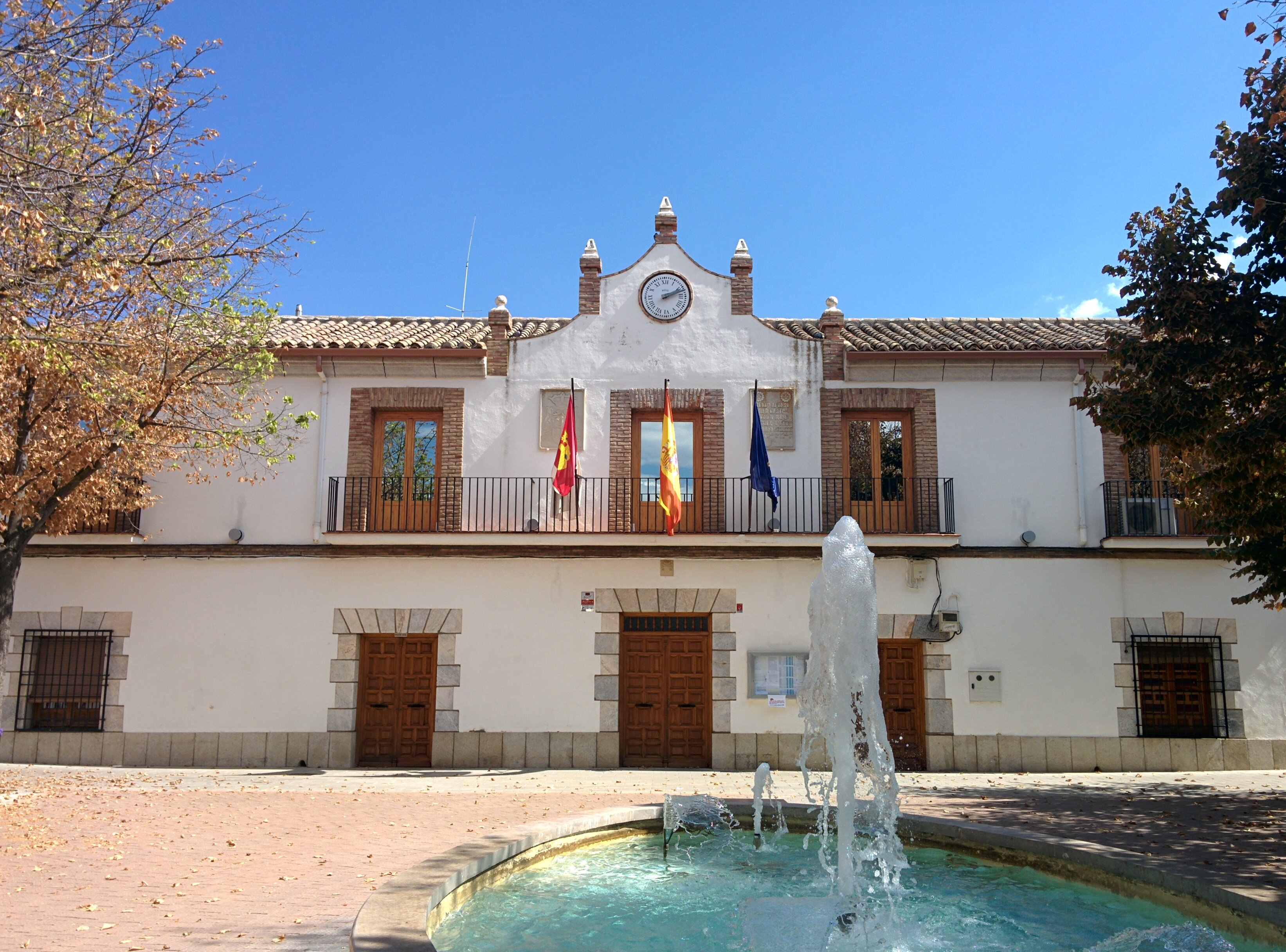
Photo: Rodelar / Wikimedia Commons, CC BY-SA 4.0
Urda is a village of a few thousand people. Its sports hall became a triage centre and its primary school became the place families waited. A 78-year-old local pharmacist was among the first to reach the wreck and described one carriage wedged inside another. A construction worker, David Gómez, cut through the line-side fencing and used first-aid kits until the ambulances arrived. A resident, Manuel Ortiz, spent the morning driving survivors away from the track.
Why is the anger pointed at a minister and not a signal box?
Because of the calendar. Pedro Sánchez dissolved parliament on 5 October and called a general election for 29 November, after parliament threw out his housing measures. Spain was already in the middle of a campaign when the trains hit.
 Trending nowLeon Lotz: The farmer the world won't believe
On the night of 29 October, a crowd gathered outside the transport ministry in Madrid. Reuters put the number at about 1,500, other outlets at around 500. They demanded Puente resign. Banners read "Criminales" and "Abajo el régimen del 78", a slogan aimed at the constitutional settlement Spain has run on since 1978. Some people in the crowd gave Nazi salutes.
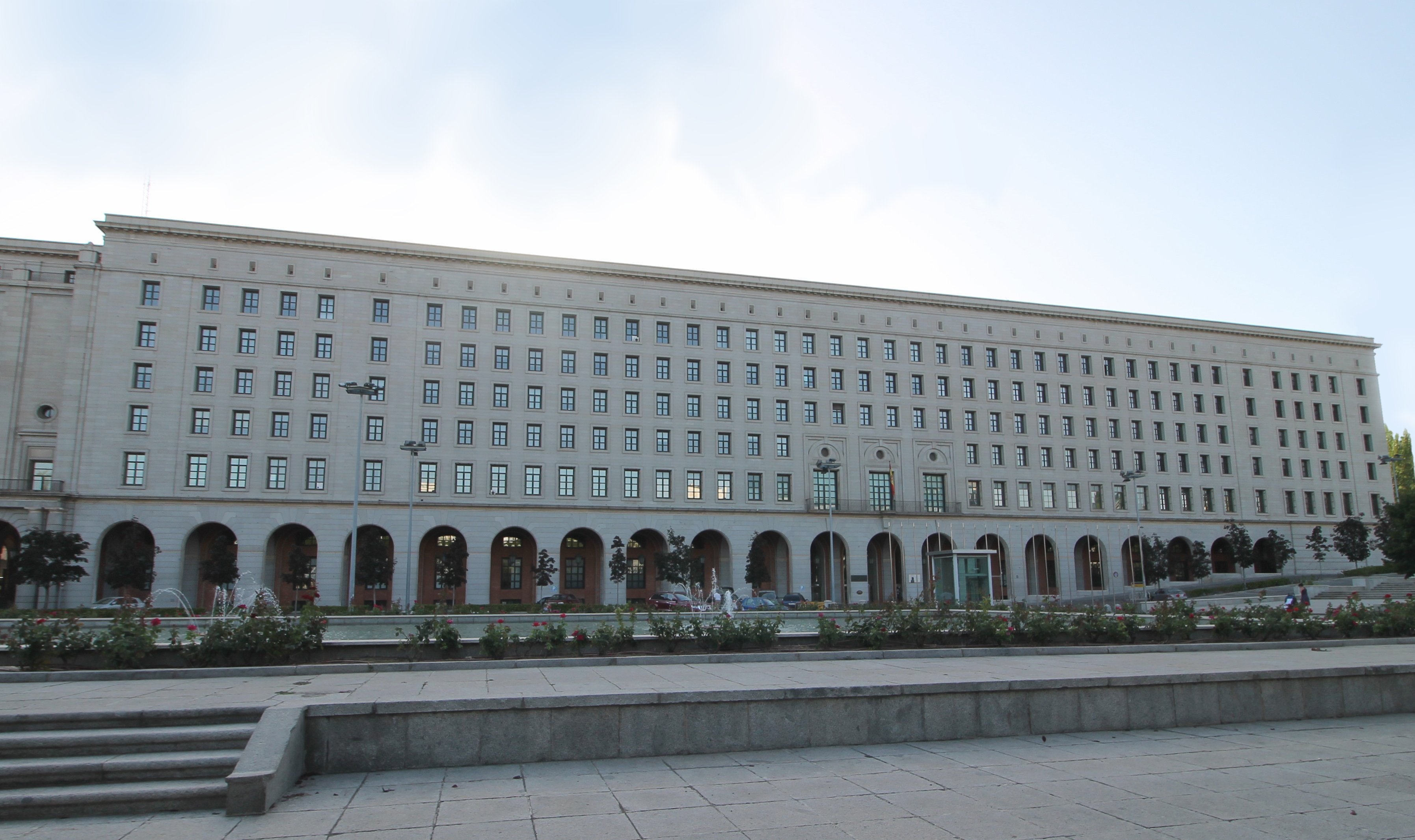
Photo: Luis García (Zaqarbal) / Wikimedia Commons, CC BY-SA 3.0 es
Protesters threw bottles and lit flares. Riot police moved in with batons and used tear gas to clear the street. The government says far-right groups organised the gathering.
Street anger arriving this fast after a disaster is becoming familiar across Europe. Spain was one of the four countries where young people filled the streets over jobs and AI earlier this year, and the same picture of batons and tear gas came out of a student crowd at the Bastille in Paris three weeks ago. In Limoges, the anger went further and a town hall was set alight.
What is still not known?
The investigation has not reported. Nobody has explained publicly why the order to move was given at 8:36am, or whether the operator was following a written procedure, a verbal instruction from someone else, or a misread screen. No figure has been published for people still unaccounted for. Nobody has resigned.
The detail that will not sit still
Adamuz, in Córdoba, is on the Madrid to Seville high-speed line. So is Urda. That line opened in 1992. It was Spain's first, and for more than thirty years the country has sold it to the world as proof it could build railways better than anybody.
Two trains full of passengers have been wrecked on it in 283 days.
The election is in 31 days.
Get the stories that hit your pocket
Petrol, SARS, Eskom, grants and the news everyone is talking about. One short email every weekday at 6am.
Free. One email each weekday. Unsubscribe anytime.Sources11
- The Olive Press, Toledo train crash timeline, the 8:30am LZB failure and the 8:36am clearance (28 Oct 2026)
- CBS News, at least 68 dead near Urda and the three days of national mourning (28 Oct 2026)
- CNN live coverage, death toll and witness accounts (28 Oct 2026)
- Al Jazeera, Renfe and Iryo collision near Urda, 130km south of Madrid (28 Oct 2026)
- Reuters via Yahoo News, protesters and police clash outside the transport ministry in Madrid (29 Oct 2026)
- WION, batons and tear gas outside the ministry, banners and the call for Oscar Puente to resign (29 Oct 2026)
- ABC News, survivor accounts and how the village of Urda took in the injured (29 Oct 2026)
- Reuters factbox, Spain's deadliest train disasters with death tolls (19 Jan 2026)
- ABC News, the 'inexplicable' order investigated as the cause (28 Oct 2026)
- La Moncloa, Pedro Sanchez calls the general election for 29 November (5 Oct 2026)
- Al Jazeera, the Adamuz crash on the same Madrid to Seville line (18 Jan 2026)
Keep reading
 WorldSpain train crash: What the leaked tapes reveal
 ExplainedHow safe is high-speed rail, really?
 WorldA protest movement with no leader won Serbia's election. Now it needs a PM