Miyoko's vegan butter is recalled for E. coli, yeast and mold
The company pulled it in September. The FDA only said how risky it was six weeks later, and some of it is likely still sitting in fridges right now.
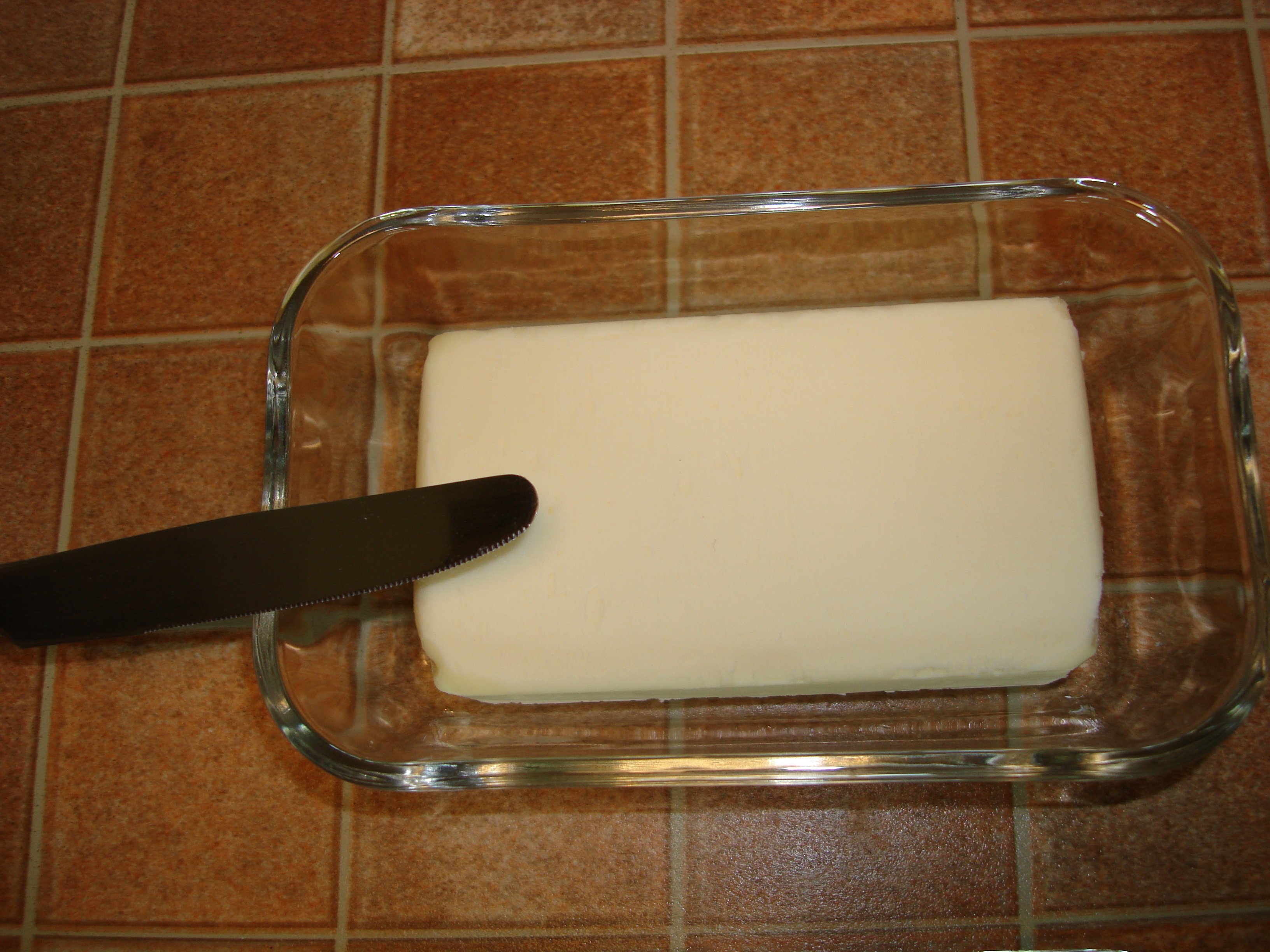
Photo: Lionel Allorge / Wikimedia Commons, CC BY-SA 3.0
- The FDA rated this recall Class II a full six weeks after it started
- Affected tubs list UPC 857554005773, lot 1007871, best-by Nov 5
- Sold in six-packs across 10 states, with no illnesses reported yet
The recalled tub has three numbers on the label. UPC 857554005773. Lot 1007871, which some notices print as 07871. A best-by date of November 5, 2026.
If your tub of Miyoko's Creamery European Style Salted Plant Milk Butter carries all three, it is one of the 7,824 individual tubs pulled over concerns about yeast, mold and E. coli.
The US Food and Drug Administration gave this recall a Class II risk rating on October 23, 2026. That came six weeks after Prosperity Organic Foods Inc, the Boise, Idaho company behind the brand, first pulled the product from stores on September 11.
What UPC and lot number should you check?
Check your tub against this table before doing anything else with it.
The affected tubs carry UPC 857554005773, lot 1007871 and a best-by date of November 5, 2026, the FDA recall report published on October 23, 2026 says.
| Detail | Value | Confirmed by |
|---|---|---|
| Product name | Miyoko's Creamery European Style Salted Plant Milk Butter, 8 oz | FDA recall report, 23 Oct 2026, reported by The Healthy |
| UPC | 857554005773 | FDA recall report, 23 Oct 2026, reported by Wegmans consumer notice |
| Lot number | 1007871, printed by some notices as 07871 | FDA recall report, 23 Oct 2026, reported by Wegmans consumer notice |
| Best-by date | November 5, 2026 | FDA recall report, 23 Oct 2026, reported by Wegmans consumer notice |
| Pack size | Six-pack box, 8 oz each | FDA recall report, 23 Oct 2026, reported by FreshRecall |
| Cases affected | 1,304 cases, 7,824 tubs | FDA recall report, 23 Oct 2026, reported by FreshRecall |
| States sold in | Connecticut, Florida, Georgia, Illinois, Indiana, Iowa, Maryland, New Hampshire, New Jersey, Wisconsin | FDA recall report, 23 Oct 2026, reported by KING 5 |
Only this one lot is affected. Other Miyoko's products and other best-by dates on the same butter are not part of this recall.
Why did the FDA take six weeks to call this risky?
Most people buy a plant-based butter thinking it skips the risks of dairy. This recall shows that is not automatic.
Prosperity Organic Foods pulled the butter on its own on September 11, after a retailer flagged yeast counts that failed quality checks. That is called a voluntary recall. The company decides to act before anyone forces it to.
 Read nextEverything that broke on 21 October 2026, and why one master key was the number 4
The FDA then studies the problem and assigns a risk class. For this butter, that process took six weeks. The class only became public on October 23, more than a month after shoppers in 10 states had already been told to check their fridges.
Photo: Maksym Kozlenko / Wikimedia Commons, CC BY-SA 4.0
Grocery chains including Wegmans, Sprouts and Raley's posted their own recall notices to shoppers days after the company's move, well before the FDA's official class II rating landed.
What does a Class II recall actually mean?
The FDA sorts every recall into one of three classes, and almost nobody outside the food industry knows the difference.
Class I is the serious one. The FDA uses it when a product could cause serious harm or death.
Class II, the rating given to this butter, means exposure "may cause temporary or medically reversible adverse health consequences," in the FDA's own words, or where the chance of something serious is remote.
Class III means the product is not likely to cause any health problem at all, often a labeling mistake rather than a safety one.
So Class II sits in the middle. Not the FDA's top alarm, but not a shrug either. It is the FDA's way of saying this one is worth taking seriously without causing panic.
What should you do if it's still in your fridge?
Do not eat it. That is the plain instruction from both the FDA and the retailers carrying it.
Take the tub back to where you bought it for a full refund, no receipt needed in most stores. Wegmans, Sprouts and Raley's are all honoring refunds at the counter. If a return trip isn't practical, throw the tub out. It is the same habit worth building for checking your tap water is safe after any contamination scare, food or otherwise.
Photo: USDAgov / Wikimedia Commons, Public domain
No illnesses have been reported so far connected to this recall. That is the one piece of good news in the whole story, and it may be the reason the class took weeks to settle rather than days.
 Trending nowLeon Lotz: The farmer the world won't believe
While you have the receipt out, it is worth lining the refund up against what you were actually charged at the till, since recall refunds and pricing mistakes often get caught the same way, by someone bothering to look.
What happens if you already ate it?
Yeast and mold in food usually just mean spoiled taste or a shortened shelf life. E. coli is the one that matters medically.
Most people who eat E. coli-contaminated food get diarrhea, which can be watery or bloody, along with stomach cramps. Some also get a low fever or vomiting. Symptoms typically start five to seven days after eating the food, according to the CDC.
See a doctor if the diarrhea is bloody, lasts more than three days, or comes with a fever over 102°F. Also see a doctor if you can't keep liquids down or notice signs of dehydration, like a dry mouth or feeling dizzy when you stand up.
A small share of people, around 5 to 10 out of every 100 diagnosed, go on to develop a more serious kidney complication called hemolytic uremic syndrome. Young children and older adults carry the highest risk. It is rare, but it is why doctors ask about recent food history when a bad stomach bug won't let go.
It echoes a bigger scare in South Africa, where 833 people fell ill from a contaminated water supply and officials faced the same question this recall raises. How long does it take from the first sign of trouble to an official warning that people actually see?
How close are we to the best-by date?
The FDA set the risk level on October 23, 2026. The best-by date on the recalled tubs is November 5.
That gap matters more than it sounds. A tub bought in September, with a November date stamped on the lid, still looks perfectly fine sitting in a fridge or freezer right now. Nothing about the packaging screams danger. The date hasn't even passed yet.
Which means some of the 7,824 recalled tubs are almost certainly still out there, tucked behind the eggs, waiting for someone to check a lot number they've never had a reason to read before.
Get the stories that hit your pocket
Petrol, SARS, Eskom, grants and the news everyone is talking about. One short email every weekday at 6am.
Free. One email each weekday. Unsubscribe anytime.Sources8
- The Healthy, Butter Recall: FDA Report Cites Concerns of Yeast, Mold and E. coli (Oct 2026)
- PIX11, Butter recalled for yeast, mold and E. coli: FDA
- KLFY, Recalled butter sold in 10 states receives risk warning: FDA
- FreshRecall, Miyoko's Plant Milk Butter Recalled for E. coli and Mold
- Wegmans consumer recall notice
- Raley's consumer recall notice
- FDA, Recalls Background and Definitions (Class I, II, III)
- CDC, Symptoms of E. coli Infection
Keep reading
 ExplainedWho pays when a courier damages your parcel? Not you, and not the driver
 ExplainedA new DNA study says Hawaii and Easter Island share the same ancient sailors
 ExplainedHow much vitamin D to take this winter, and what your bottle's number means