She cared for her mother alone for 12 years. At 102, her mother died by her hands, and a Japanese court chose mercy
Twelve years of care, one carer, and a night that went wrong. A Tokyo court looked at all of it and decided she should not go to prison.
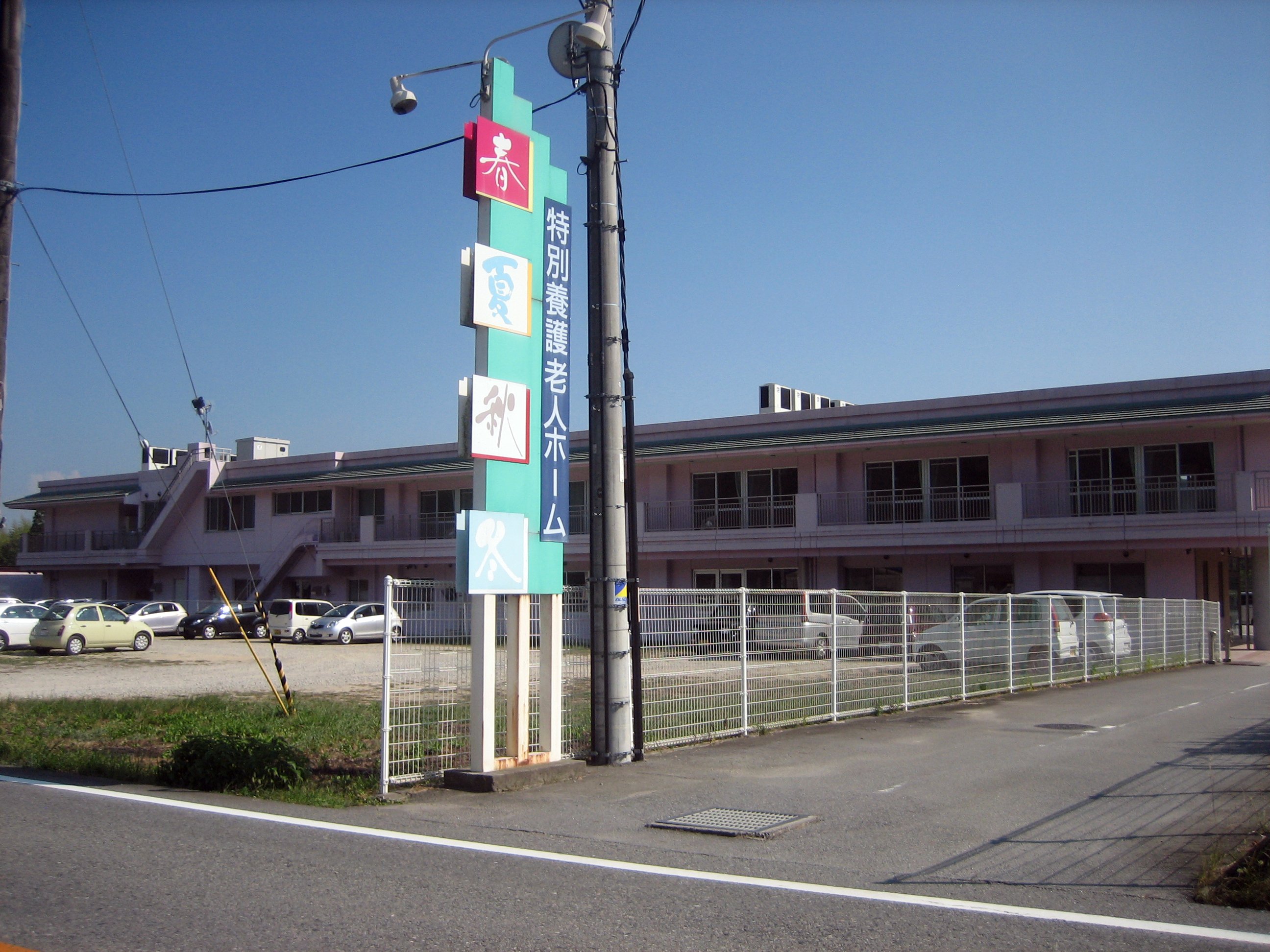
Photo: Corpse Reviver / Wikimedia Commons, CC BY-SA 3.0
- She looked after her mother alone for about 12 years
- Prosecutors wanted 8 years in prison, the judge chose differently
- Japan records about 25 such deaths every year
Every 10 minutes.
That is how often a 102-year-old woman in a Tokyo suburb needed help to get to the toilet in the week before she died. Her daughter, then 70, did every one of those trips herself. She had done the caregiving alone for about 12 years.
In the early hours of 22 July 2024, after a night that ended with her mother on the floor, the daughter killed her. Then she called the police herself.
Last November a court in Tokyo sentenced her. The story has now been shared again around the world, and one post about it passed 2.3 million views. Most people who replied were not angry with her. They were heartbroken.
What happened to the 102-year-old mother in Japan?
The family lived in Kunitachi, a quiet city on the western side of Tokyo. Korean coverage of the trial says the daughter divorced in her 40s and moved back in with her parents in 2012, when she was 58.
Her father died a few years before the killing. After that, she was the only carer for a mother with dementia (a brain illness that slowly takes away memory and the ability to look after yourself).
She told the court that bathing her mother and taking her to the toilet had become too much. Her own back was badly hurt.
At about 4am that July morning, her mother fell out of bed. The daughter could not lift her with her bad back, so she called the emergency number. According to reports of the trial, the rescuers helped but told her not to call them for that kind of thing again.
She said in court that she felt abandoned, and alone in the world with nobody to call. She said she felt there was no other way.
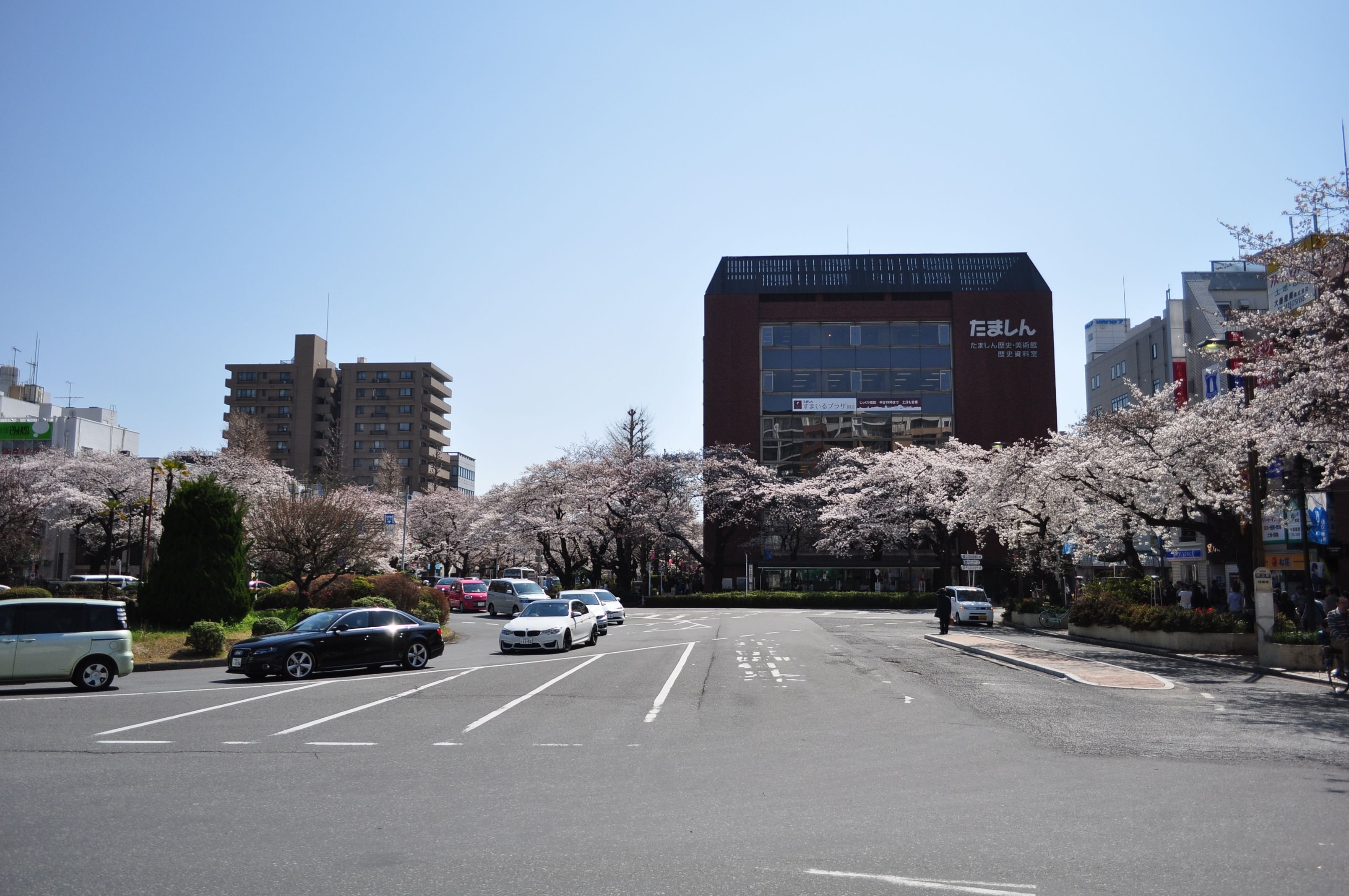
Photo: 江戸村のとくぞう / Wikimedia Commons, CC BY-SA 4.0
Why did she get a suspended sentence?
The case went to the Tachikawa branch of the Tokyo District Court. She admitted what she had done.
On 17 November 2025 the court gave her three years in prison, suspended for five years. That means she does not go to prison as long as she stays out of trouble for those five years. Posts sharing the story mostly left out the word "suspended", which is why many readers first thought she was locked up.
The two sides saw her very differently.
| What they asked for | Why | |
|---|---|---|
| Prosecutors | 8 years in prison | She had a sister she could ask and could use Japan's public care system. They called it a killing on a moment's feeling, beyond normal tiredness. |
| Defence | A suspended sentence | Years of caregiving had pushed her to breaking point. She could no longer think clearly. |
| The court | 3 years, suspended for 5 | It was a sudden act, but her reasons and the long road to that night deserve great sympathy. |
The judge pointed to the toilet trips every 10 minutes in the final week. That load, the court found, was more than she could handle.
What is a care killing in Japan?
Japan has a word for this kind of tragedy. People call it kaigo satsujin, which means "care killing". Kaigo is the Japanese word for looking after an old or sick person.
These cases share a pattern. A family member, often old and tired themselves, looks after a loved one at home for years. Help is thin. Sleep is short. Then one bad night tips them over.

Photo: Kakidai / Wikimedia Commons, CC BY-SA 4.0
How many people are killed by family caregivers in Japan?
Japan's health ministry has counted these deaths since 2006. Japan's Kyodo news agency went through the figures this year. It found at least 486 people aged 65 or older died through abuse, neglect or killing by family members from 2006 to 2024.
That is about 25 deaths a year. The yearly count was mostly in the 20s, with a high of 37 in 2021 and a low of 15 in 2019.
| Killing or murder-suicide | 220.00 | 45% |
|---|---|---|
| Neglect | 132.00 | 27% |
| Abuse | 69.00 | 14% |
| Other or unknown | 65.00 | 13% |
| Deaths | 486.00 | 100% |
Source: Kyodo analysis of health ministry data, April 2026
Most of the people who caused these deaths were men. Sons were the biggest group, with 219 cases, followed by husbands. Money worries and carer exhaustion came up again and again. One expert told Kyodo the numbers are only the tip of the iceberg.
Carers suffer too. A study of 18 years of Japanese police data found about 273 people a year took their own lives for reasons linked to caregiving.
Why are so many Japanese carers so old?
Because Japan's parents are living so long. In September 2025 Japan counted 99,763 people aged 100 or older, a record for the 55th year in a row. About 88% of them are women.
When the parent is 102, the child is often in their 70s. Japan even has a name for it, rōrō kaigo, or old people caring for old people. The carer has their own bad back, weak knees and doctor's visits, and nobody is looking after them.
Long life is a gift, and our story on what one Harvard scientist does to slow ageing shows how much people want it. The other side of that gift is years of care that someone has to give.
Why didn't she put her mother in a nursing home?
This is the question many readers asked. Posts sharing the story say she went to a care home the day before and was turned down. That detail does not appear in the court reports we found, so treat it as what people are saying online.
What is clear is that the system did not catch her. Prosecutors said help existed. She said she could not see it. Both things can be true for a carer who has not slept properly in months.
Photo: Miluša Snidová / Wikimedia Commons, CC BY-SA 4.0
What does caregiver burnout feel like?
Carers say it starts with being tired all the time. Then come the short temper, the guilt about the short temper, and slowly losing touch with friends. Many say it feels as if nobody would notice if they fell over too.
Broken sleep makes it much worse. Waking every 10 minutes means never reaching deep sleep at all, and how much sleep a person really needs is not a question a night carer even gets to ask.
Warning signs to take seriously include thoughts like "I can't do this anymore", wishing it would all end, or feeling scared of what you might do. These are signs of a person who needs help now, not a bad person.
Where can carers get help?
For most carers, help starts with one honest phone call.
- Tell a doctor. The patient's doctor can arrange home nursing, day care or a short stay in a care home so the carer can rest. This is called respite care.
- Share the load. A sister, a cousin or a neighbour can often do more than they offer. Ask them for one fixed night or one fixed afternoon a week.
- Talk to someone. In South Africa, the SADAG suicide crisis line is free on 0800 567 567, any time of day.
- Look after your own body. Even short bursts of movement help. One big review found dancing eased depression better than other exercise.
The people who do the hardest job in the world
Somewhere tonight, someone is getting up for the fourth time to help a mother to the bathroom. Nobody is paying them. Nobody is clapping.
That is the part of this story that touched millions of strangers. They did not see a monster. They saw a daughter who gave 12 years, ran out of strength, and was never given enough help.
The Tokyo court saw it too, and chose mercy. The best way to honour her story is to look at the carers in our own lives, and ask them what they need before the night gets that long.
Sources7
- The original post (8 Oct 2026, in Arabic)
- Liberty Times, citing TBS: Sentence at the Tachikawa branch of the Tokyo District Court (17 Nov 2025)
- Herald Economy: Trial details, 12 years of care, the night of 22 July 2024 (26 Nov 2025)
- Kyodo via Qazinform: 486 older people killed by family caregivers, 2006 to 2024
- Syracuse University: Suicide deaths among informal caregivers in Japan, 18 years of data
- Euronews: Japan's record 99,763 centenarians (Sept 2025)
- SADAG, South African Depression and Anxiety Group
The week's biggest stories, every Monday
One email. The stories everyone will be talking about, before they do.
Free. One email a week. Unsubscribe anytime.Keep reading
 WorldPope Leo XIV on beauty, tech and why young people need to slow down
 WorldWho is Susan Dell, and what is the $6.25 billion she gave for kids?
 WorldChina has bought gold for 23 months straight, and it is speeding up