Clarkson's Farm wool shock: How England's gold became a fleece nobody wanted
Jeremy Clarkson learned the hard way that a fleece could cost more to cut than it sold for. The story of how that happened goes back 700 years, and it may finally be turning.
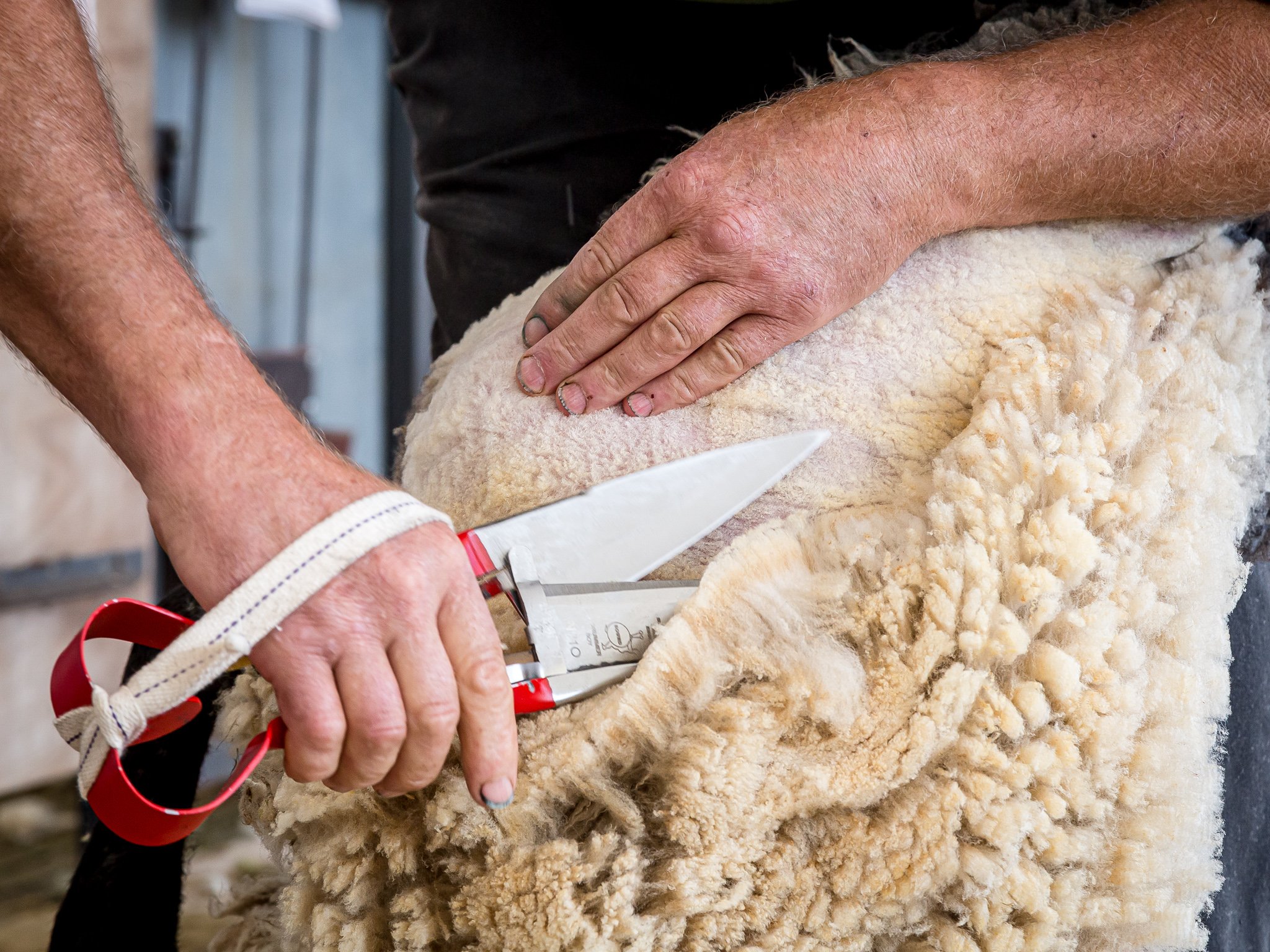
Photo: Stephen and Helen Jones / Wikimedia Commons, CC BY-SA 4.0
- Clarkson worked out he lost 30p on every sheep he sheared
- The Lord Speaker still sits on a sack of wool
- British wool prices jumped about 70% in one year
Minus 30p.
That is what Jeremy Clarkson says he made from shearing one of his sheep. He worked it out in his Sunday Times column while filming the first series of Clarkson's Farm. Cutting the fleece off cost him £1.50 a sheep. The fleece sold for £1.20.
So every sheep he sheared left him poorer.
This week, a post retelling that moment passed 600,000 views. It starts with Ellen Helliwell, the young shepherd Clarkson hired for his flock in series one. According to the post, she told him early on that the sheep would never make money. The wool cheque proved her right.
The post then asks a bigger question. How did the thing that made England rich end up worth less than its own haircut?
Why is sheep wool worthless now?
The short answer is in your wardrobe.
Look at the label in a cheap jumper. It probably says acrylic. A fleece jacket is polyester. Most carpets are nylon. All three are made from oil, and all three are cheaper to make than wool. That is why an oil price shock reaches far past the petrol pump.
As shoppers moved to these man-made fibres, demand for raw wool fell. British farmers felt it most, because a lot of British wool is coarse. It suits carpets, rugs and tweed better than soft jumpers. When carpet makers switched to nylon, that market shrank.
Then Covid made it worse. Clarkson wrote that the usual travelling shearers from Australia and New Zealand were stuck at home, so shearing cost more. Factories that buy wool closed, and fleeces could not be sent to China. Prices paid to farmers fell as low as 15p a kilo at one point in the pandemic, Farmers Weekly reported.
How much does it cost to shear a sheep?
Shearing is not optional. A sheep's wool keeps growing, and an unshorn sheep can overheat or get flystrike, where flies lay eggs in dirty wool. So the farmer pays, whatever the wool is worth.
UK shearing usually costs between £1.50 and £2.10 a sheep, depending on the size of the flock and where it is. The NAAC, a group for farm contractors, lists £1.93 a head in its 2026 to 2027 price guide.
A typical British fleece weighs about 3kg. Here is what that fleece earned at different prices:
| Price paid per kg | Value of a 3kg fleece | Covers £1.93 shearing? |
|---|---|---|
| 15p (pandemic low) | 45p | No |
| 40p (2024 clip) | £1.20 | No |
| 68p (2025 clip) | £2.04 | Just |
| £1 (2026 forecast) | £3.00 | Yes |
For years, the table told farmers to give up on wool. Some did. They stopped sending fleeces in at all and left the wool piled up on the farm.
What did wool used to be worth to England?
Almost everything.
From about 1250 to 1350, wool was the backbone of the English economy. Merchants shipped raw English wool to weavers in Flanders and Italy, and it was some of the most wanted wool in Europe. The crown taxed it heavily. Edward III used wool money to help pay for the Hundred Years' War with France.
The post says a sheep was once kept for five or six years mainly for her wool, with the meat as a bonus at the end. Today, it says, a sheep earns from one thing only. That is a lamb sold at around five months.
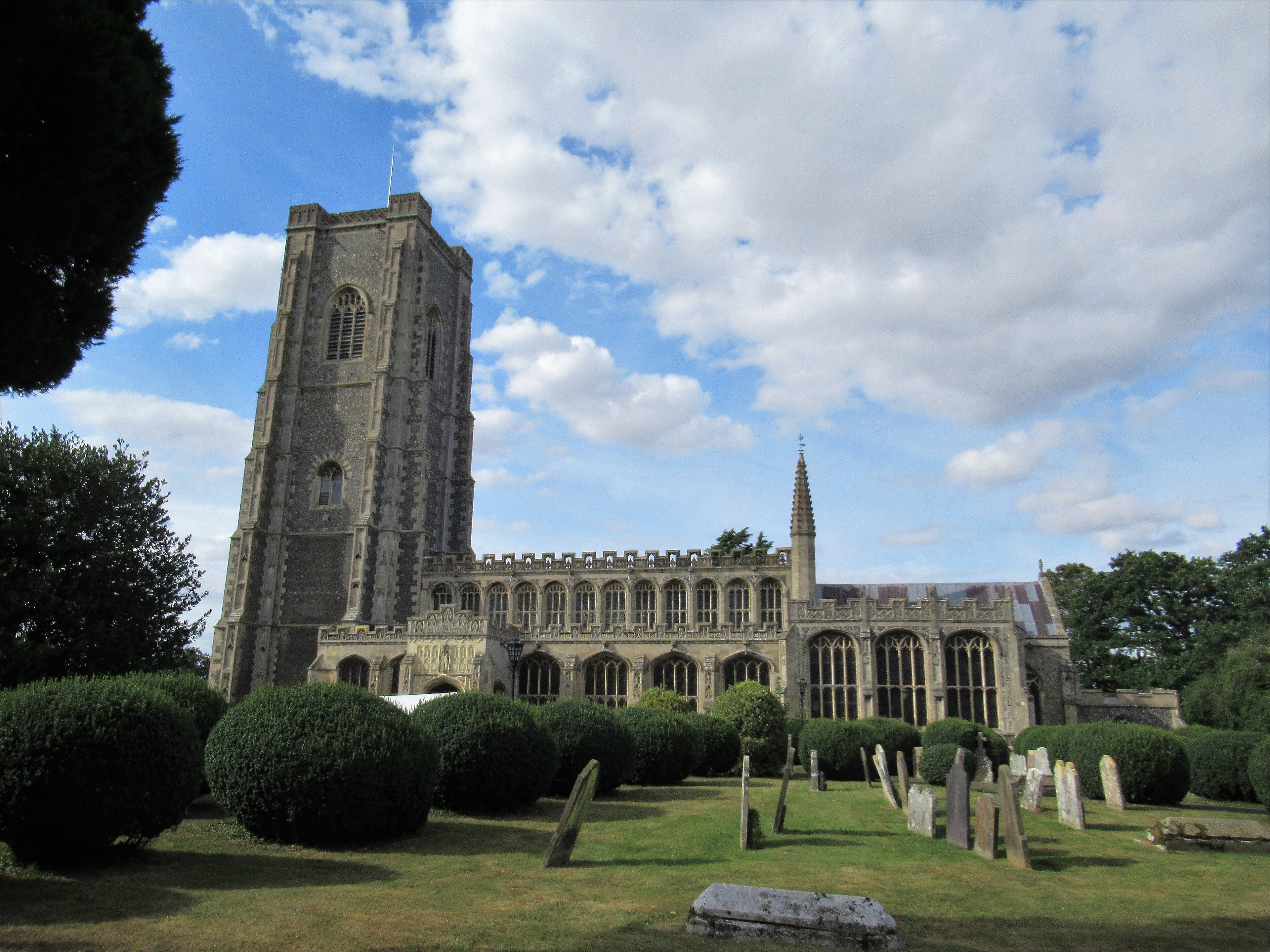
Photo: Poliphilo / Wikimedia Commons, CC0
The money is still standing. Across the Cotswolds and East Anglia are the "wool churches", giant stone churches in small villages. Wool merchants paid for them. Lavenham in Suffolk has one of the grandest, far too big for the village around it.
Why does the Lord Speaker sit on a woolsack?
The oddest reminder of all is still in use.
In the House of Lords, the Lord Speaker sits on a big red cushion called the Woolsack. Parliament says it is thought to date from the 14th century, during the reign of Edward III. It was stuffed with wool to remind everyone where England's wealth came from.
There is a twist. In 1938, someone opened it up and found it was stuffed with horsehair, not wool. It was refilled with wool from England, Wales, Scotland, Northern Ireland and the Commonwealth.
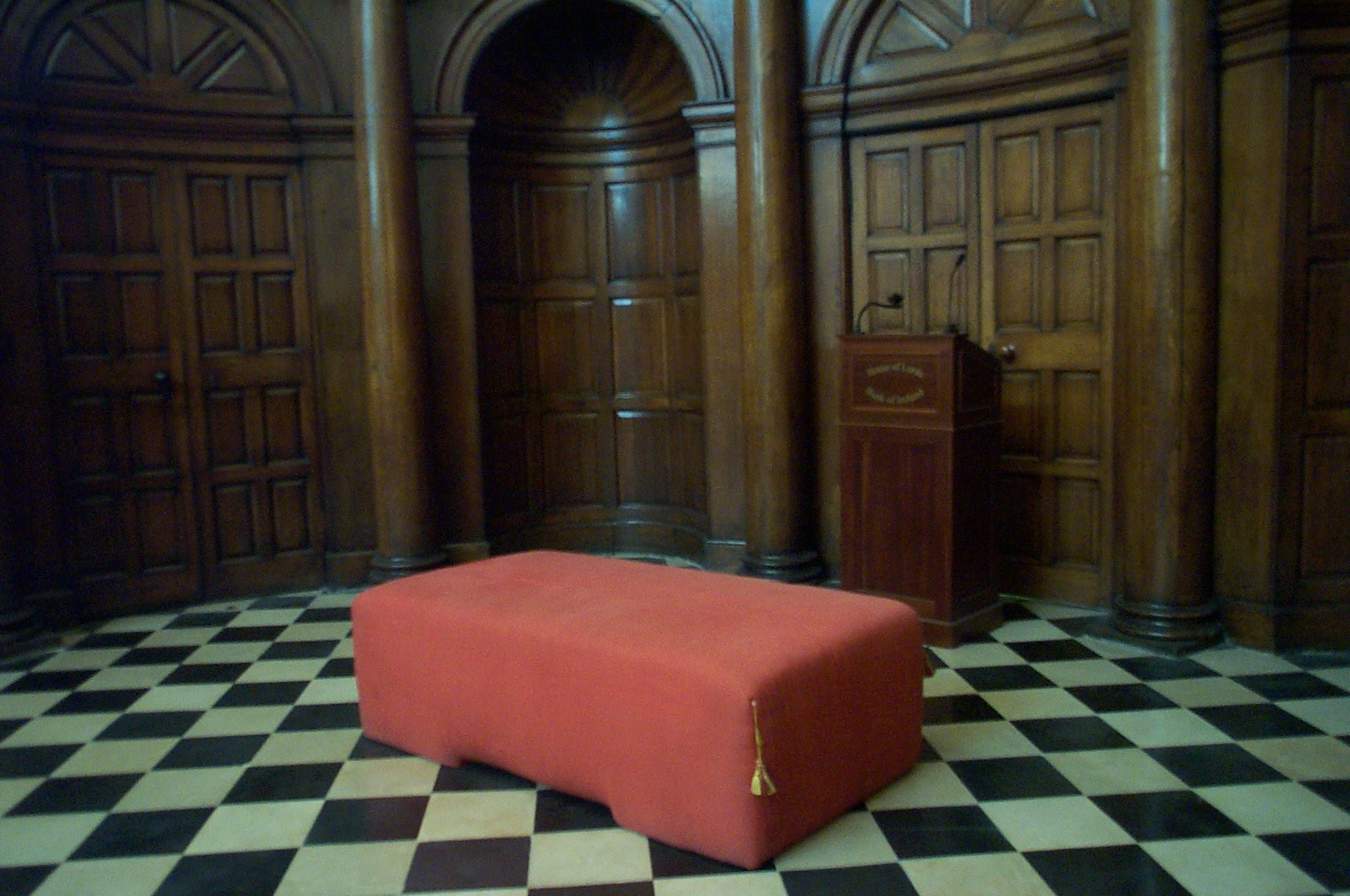
Photo: Kaihsu Tai / Wikimedia Commons, CC BY-SA 3.0
So the seat at the heart of British law is a sack of the same stuff farmers could not give away.
Why are wool jumpers so expensive if wool is cheap?
This was the most common question in the replies. People pointed out that a wool jumper can cost hundreds of euros, while the farmer gets pennies for the fleece.
Both things are true at once. Most of the cost of a jumper is not the raw wool. It is washing the grease out, sorting it, spinning it, dyeing it, knitting it, shipping it and selling it in a shop. Each step adds money, and almost none of it goes back to the farm. Clothing retail is a tough game too, as the winners and losers among big shop chains show.
Even at the 2025 price of 68p a kilo, the wool in a jumper that uses well under a kilo is worth less than a cup of coffee to the farmer.
Some replies also pointed to other uses. Wool works as house insulation. It is used to keep food cold in delivery boxes. British Wool, the farmers' marketing group, now runs its own shop to sell finished products made from British fleeces.
Is wool coming back?
The numbers have turned, and fast.
British Wool paid its members an average of 68p a kilo for the 2025 clip. That is up about 70% from 40p the year before, and the best in about a decade. Cheviot wool hit 85p.
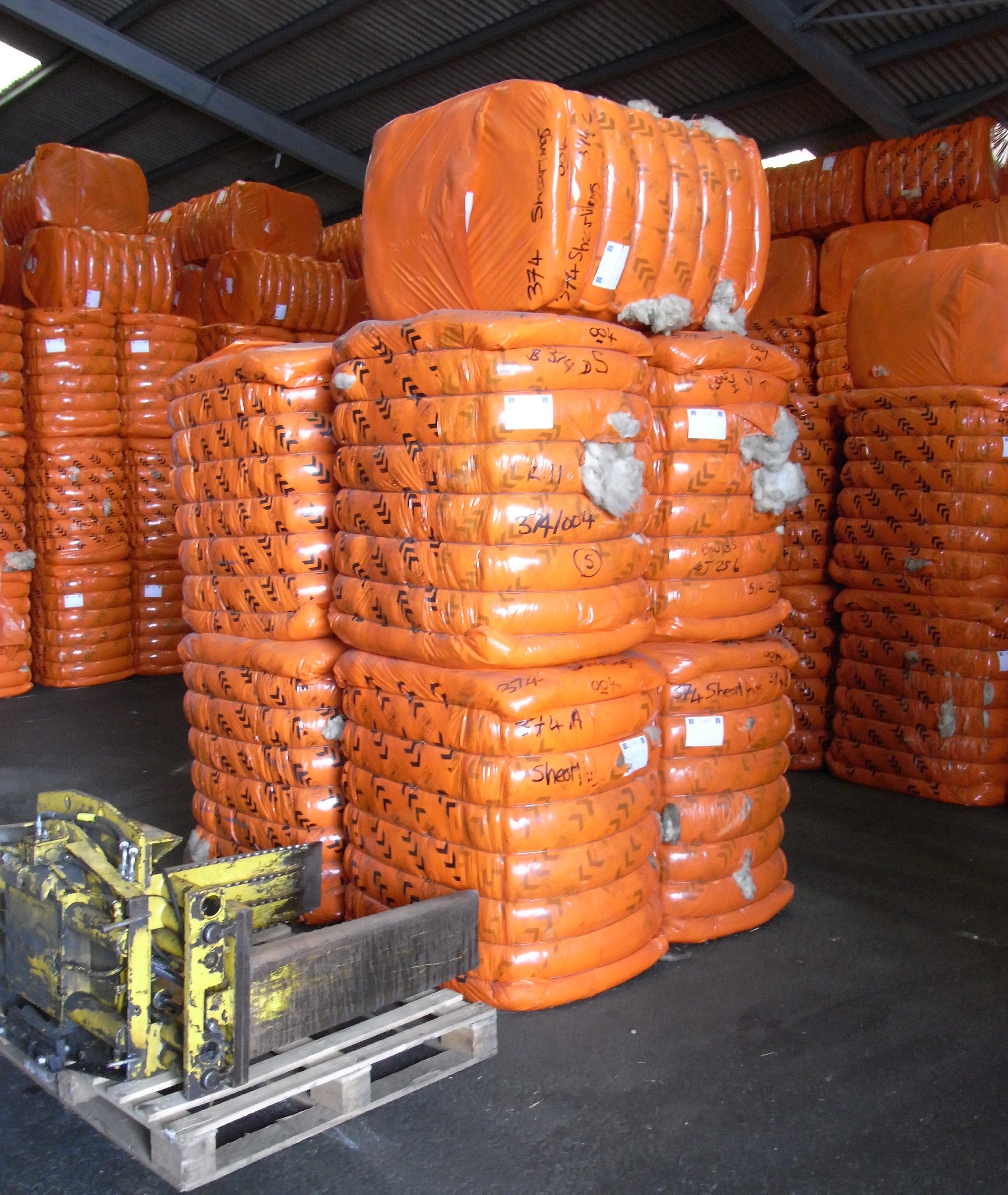
Photo: Lobsterthermidor at en.wikipedia / Wikimedia Commons, CC0
It may get better still. British Wool expects some types to pass £1 a kilo for the 2026 clip. FarmingUK reports that Romney, Welsh Mule and Cheviot are all forecast at or above that mark. At those prices, a normal fleece pays for its own shearing for the first time in years.
Michael Priestley of the National Sheep Association put it simply. After several gloomy years of rock bottom prices, he said, the wool market has improved. He urged farmers who had kept wool on the farm to send it in this time.
More brands are also asking for it. British Wool says 176 brands now sell products with British wool in them, and sales of traceable wool rose by 10%.
What does this mean for Clarkson's sheep?
Clarkson's flock lost money, and he said so on television. Shearing was a cost, not an income, and lamb was the only thing that paid.
That was the deal for most British sheep farmers for years. Ellen Helliwell could lamb a ewe at three in the morning and fix a lame foot in the rain. What no shepherd could do was beat a factory turning oil into jumpers.
But a fleece that once lost 30p is now forecast to make more than it costs to cut. The stuff under the Lord Speaker is worth paying for again.
Next time you buy a jumper, check the label in the collar. If it says wool, a British farmer may finally be getting something back.
Sources8
- The original post on X (7 Oct 2026)
- Driving.co.uk (The Sunday Times), Jeremy Clarkson tries to shear some sheep
- FarmingUK, Wool prices jump 70% in major turnaround for UK sheep sector (17 May 2026)
- Farmers Weekly, British Wool expect farmers to be paid £1/kg for 2026 clip
- Farmers Weekly, Farmers to be paid more as wool prices climb (shearing costs and past prices)
- NFU, Wool price steadies (2021 clip average)
- UK Parliament, Woolsack glossary
- History of wool and the British wool trade
The week's biggest stories, every Monday
One email. The stories everyone will be talking about, before they do.
Free. One email a week. Unsubscribe anytime.Keep reading
 ExplainedThe best exercise for depression? Dancing topped a 218-trial review
 ExplainedIs 8 hours of sleep a myth? What 3.5 million sleepers show
 ExplainedWhy Shoprite wins while Woolies and TFG bleed