Australia once had 8 oil refineries. Now it has 2 and about a month of diesel
Three countries made the same bet that imported fuel is cheaper than home-made fuel. Then the Iran war tested it.
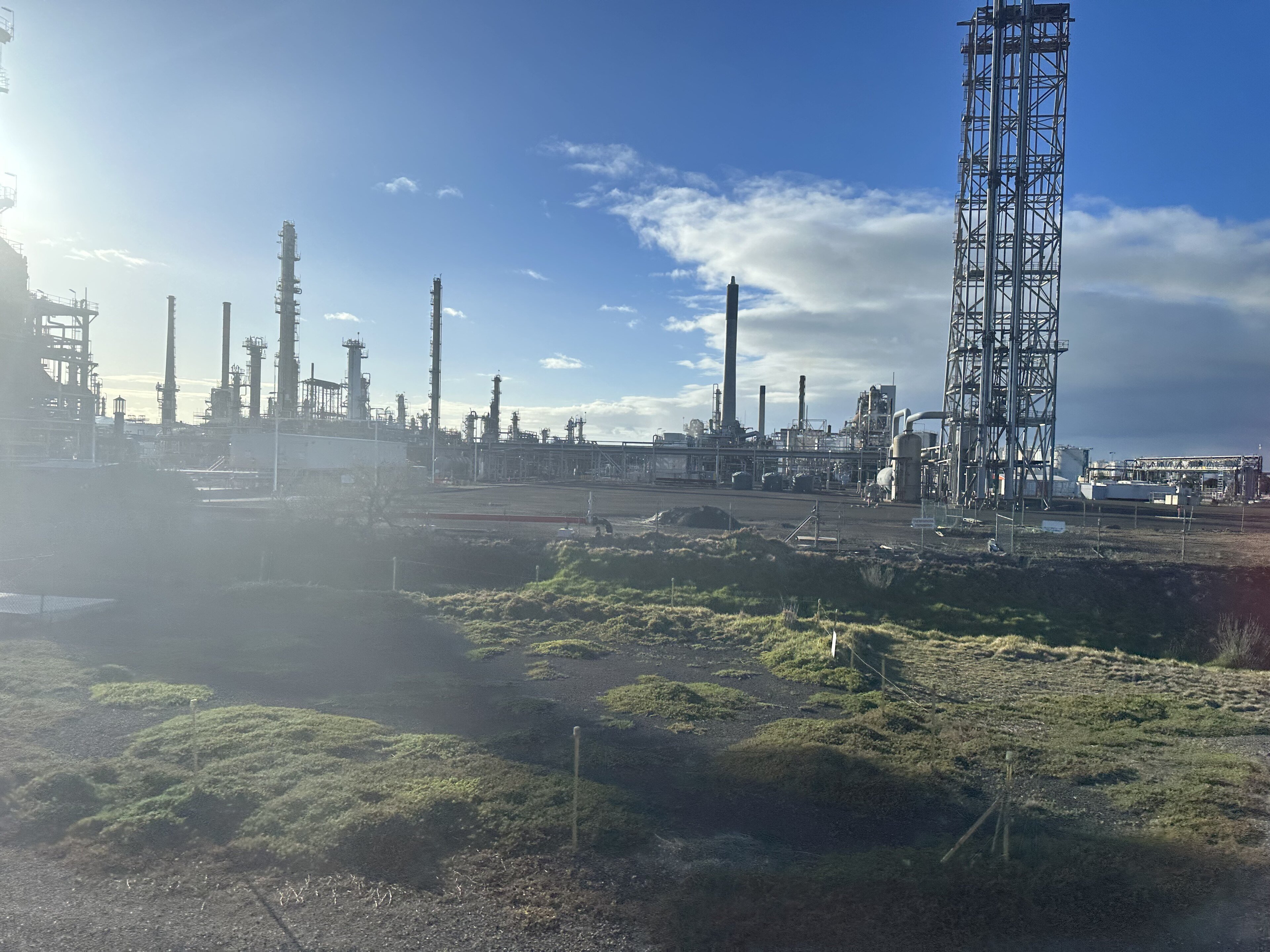
Photo: Totallynotarandomalt69 / Wikimedia Commons, CC BY 4.0
- Australia's 2 refineries cover only about a fifth of its fuel
- One Indian refinery is about 6 times bigger than both of them
- The world's rule is 90 days of fuel and Australia has not met it since 2012
29 days.
That is how much diesel Australia had left in March 2026, according to a figure the Prime Minister gave as the Iran war shook oil supply. Energy Minister Chris Bowen gave Parliament a slightly better number, 34 days.
Think about what runs on diesel. Trucks, tractors, mining machines, ambulances, army vehicles and the backup generators at hospitals. Australia has dug up its own coal and gas for decades. Yet it has just two oil refineries left and about a month of diesel in stock.
So what happened to the rest?
How did Australia go from 8 oil refineries to 2?
Australia had eight refineries until the early 2000s. The Adelaide plant at Port Stanvac closed in 2003, and the closures kept coming. The Parliamentary Library lists the next ones.
Shell's Clyde refinery in Sydney closed in 2012. Caltex Kurnell, also in Sydney, closed in 2014. BP's Bulwer Island plant in Brisbane followed in 2015.
Then in 2021 two more went in one year. BP stopped refining at Kwinana in Western Australia. ExxonMobil turned its Altona plant near Melbourne into an import terminal.
Two are left. Ampol's Lytton refinery near Brisbane makes about 109,000 barrels a day. Viva Energy's Geelong refinery in Victoria makes about 120,000.
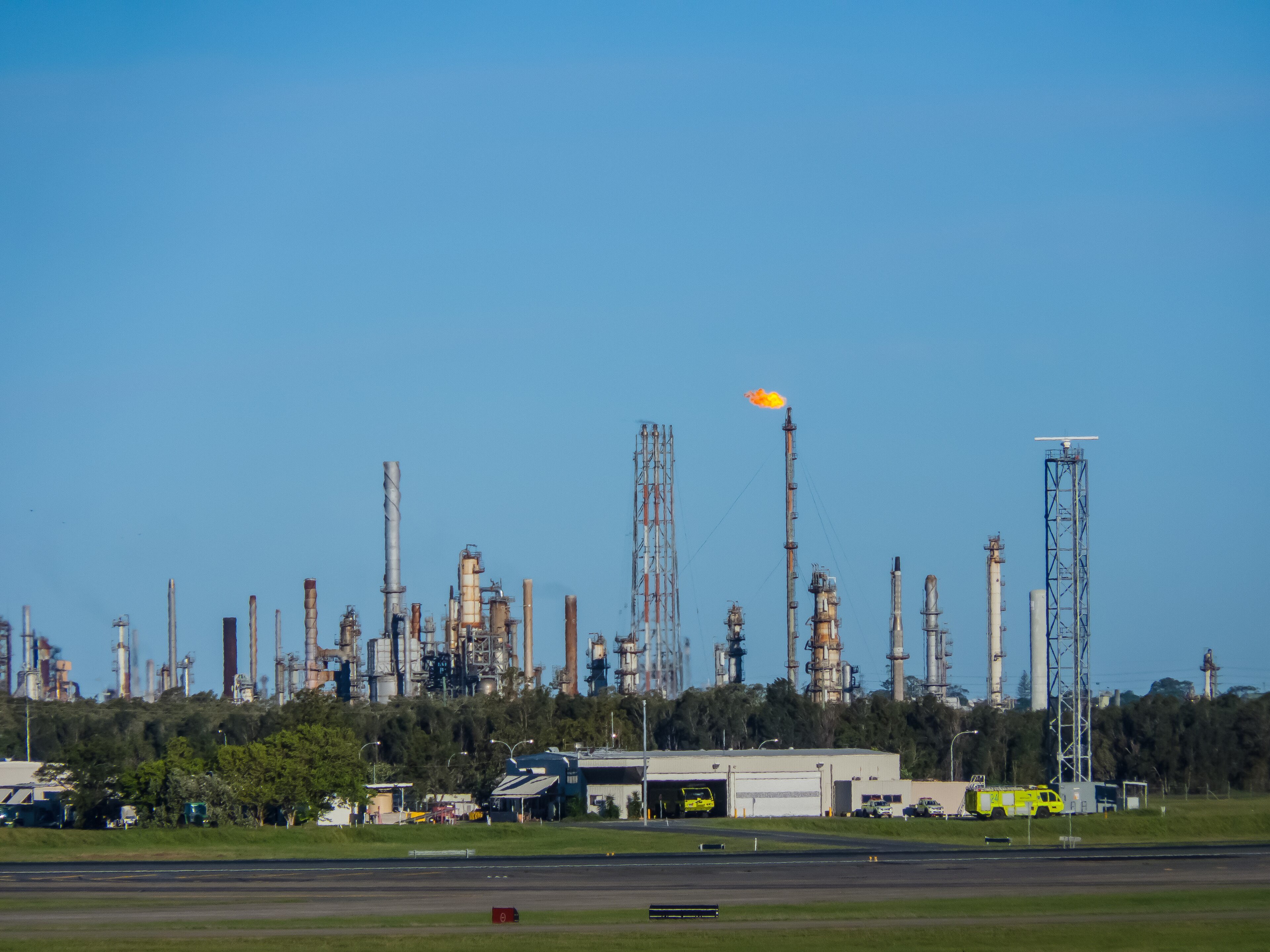
Photo: John Robert McPherson / Wikimedia Commons, CC BY-SA 4.0
Together they meet only about 20% of the country's fuel needs. Reports put the import share of refined fuel at 80% to 90%. It comes mostly from South Korea, Singapore, Malaysia, China and Japan.
Why did the refineries close?
Nobody in government shut them down. The owners did, and the reason was size.
 Read nextOne dead, four hurt, and matching coasters closed at parks across North America
Australia's refineries were small and old. Asia built giants next door. India's Jamnagar complex, owned by Reliance, can process about 1.4 million barrels a day. That is roughly six times more than Lytton and Geelong put together. A big plant makes each litre cheaper, and it can ship that litre to Australia and still win.
The Parliamentary Library says the closures came from a flood of refined fuel in the region and long spells of low profit. BP said its Kwinana decision was not caused by local policy. It blamed a long-term change in the regional fuel market.
Money was bleeding too. The competition watchdog found Australian refiners lost an average of A$153 million a year in the five years after the 2008 financial crisis. The plants also faced big bills to make cleaner fuel.
Is a month of diesel enough?
The world has a rule for this. The International Energy Agency asks its members to hold 90 days of oil, counted against net imports. A research paper for the Australian Parliament says Australia has not met that since 2012.
The numbers shift with how you count. In March, Bowen told Parliament the country had 34 days of diesel, 32 of jet fuel and 36 of petrol. The Prime Minister said 29 days of diesel. On the agency's import-based count, one analysis of government data put February at 49 days.
During 2024 and 2025 the country held an average of 33 days of diesel, says a Macquarie University piece. One report had cover up at 37 days by late June.
Every bar falls well short of the 90-day line.
What did Australia do to keep the last two open?
It started paying them. In 2021 the government launched a Fuel Security Services Payment, a top-up that pays refiners when refining loses money. In March 2026 Bowen extended it to 30 June 2030, at up to 1.8 cents a litre.
The Iran war changed the picture. In May the government set aside A$10.7 billion for a fuel and fertiliser plan. Of that, A$3.2 billion buys a government-owned reserve of about one billion litres of diesel and jet fuel. The plan also lifts the minimum stock rule to 50 days, and puts A$10 million into a study of new refining.
 Trending nowPetrol broke R30 a litre. We followed the money
Ampol has called the plan a big opportunity. Its Lytton profit was US$25.45 a barrel in early 2026, against US$6.07 a year earlier.
Which other countries closed their refineries?
Australia is not alone. Here is how three countries compare.
| Country | Refineries | Share of fuel made at home | Stock cover |
|---|---|---|---|
| Australia | 8 until 2003, 2 now | About 20% | 29 to 34 days of diesel |
| New Zealand | 1 until March 2022, 0 now | 0% | 47 days of diesel (MBIE, via Transporting NZ) |
| South Africa | Two crude refineries still run, plus Sasol | 39% in 2026, 78% in 2019 | About 30 days of crude |
New Zealand went furthest. Its only refinery, Marsden Point, stopped refining on 31 March 2022. It had supplied roughly 65% to 70% of the country's fuel and all of its jet fuel.
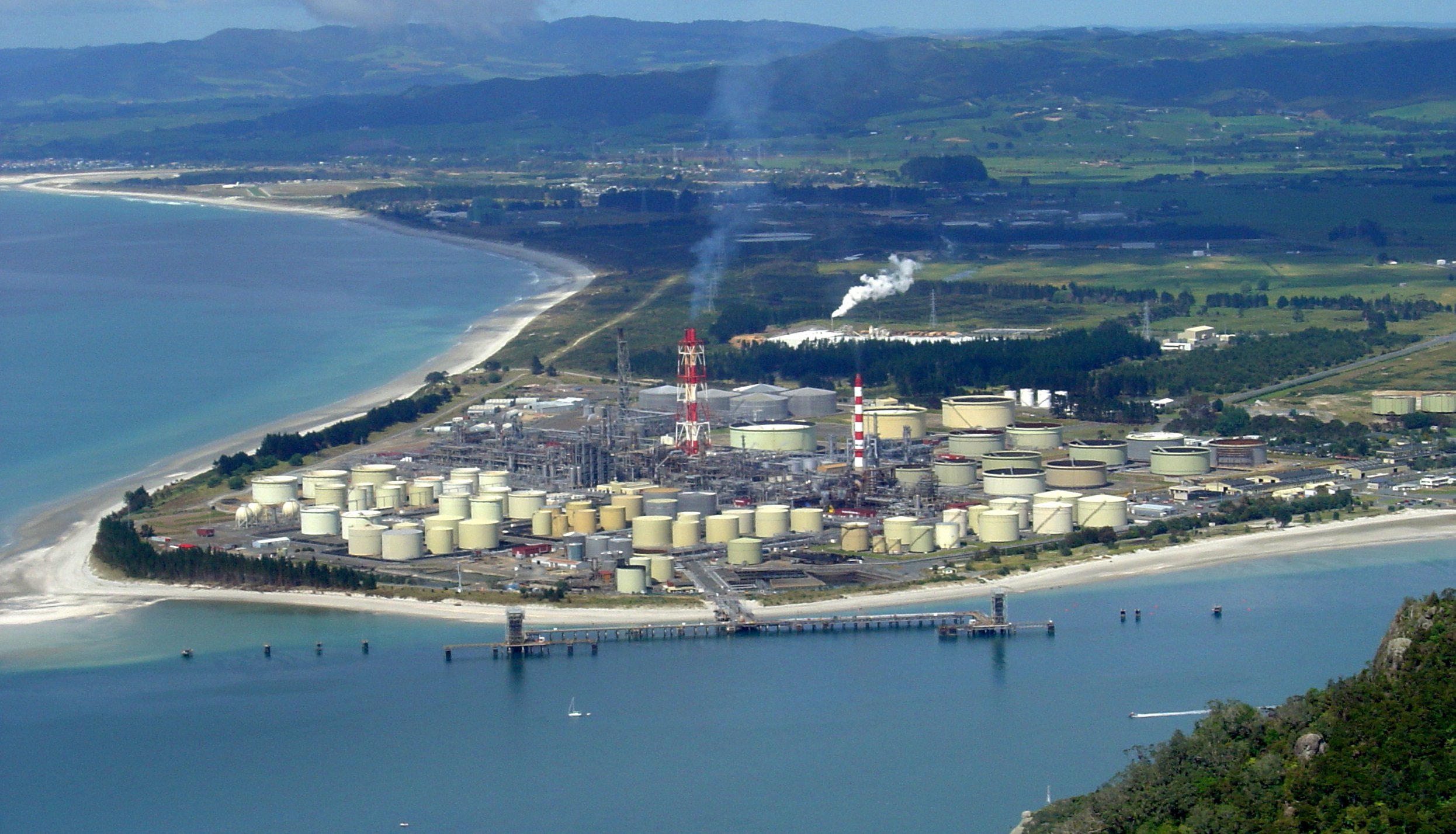
Photo: Follash / Wikimedia Commons, Public domain
The company made the call, not the government. Advisers told ministers the risk to fuel security was "very low". A 2021 report from the ministry expected stocks to fall to about 20 days. Instead, ministry figures cited in March 2026 showed 47 days of diesel, because storage grew.
Where does South Africa fit in?
South Africa is on the same road, and further along than Australia. In 2019 it made 78% of its own fuel. Today it makes 39%, and the energy minister says the national tank holds 6.9 million barrels of crude, about 30 days. We went through every plant in our guide to South Africa's missing refineries.
The shock that tests all three countries is the same one. Ships that carry diesel now sail through a rattled market, and prices follow. Our story on the three oil shocks explains the chain, and the petrol price page tracks what it does at the South African pump.
Australia at least has a plan on paper, a payment for its last two plants and a reserve being built. South Africa's two big Durban refineries made 300,000 barrels a day between them, and both are gone.
What does Australia's rescue say about South Africa's diesel?
Australia is a rich country with its own coal and gas. It still could not stop giant Asian plants from putting its refineries out of business. Now it is paying billions to build a buffer of about 50 days.
South Africa has about 30 days of crude, no Durban refineries and no reserve plan of that size.
If Australia needs a government-owned fuel tank to feel safe, what does South Africa need?
Get the stories that hit your pocket
Petrol, SARS, Eskom, grants and the news everyone is talking about. One short email every weekday at 6am.
Free. One email each weekday. Unsubscribe anytime.Sources9
- Parliamentary Library of Australia, Oil refineries and fuel security
- Argus Media, Australia refinery closures raise fuel import reliance
- Argus Media, Australia extends subsidy plan for refiners to 2030
- Beef Central, Australia's diesel reserves sit at 34 days, Parliament told
- Macquarie University, What happens when Australia's 36-day petrol supply runs out?
- ACAP, Ampol sees big opportunity in Labor's fuel reserve plan
- Transporting NZ, Energy security: Was closing Marsden Point a mistake?
- New Zealand MBIE, advice on the closure of the refinery
- Reliance Industries, Jamnagar refinery capacity
Keep reading
 WorldLimoges town hall fire: What happened, hour by hour
 WorldWhy the world cannot simply swap Middle East oil for Venezuelan oil
 WorldThe "American Covid" strain behind Britain's autumn rise