Sexually transmitted diarrhea is spreading fast, and it is turning into a superbug
The bug that gave pioneers dysentery is back with a twist. It now spreads through sex, and one scientist says it has gone from easy to treat to close to untreatable in about ten years.
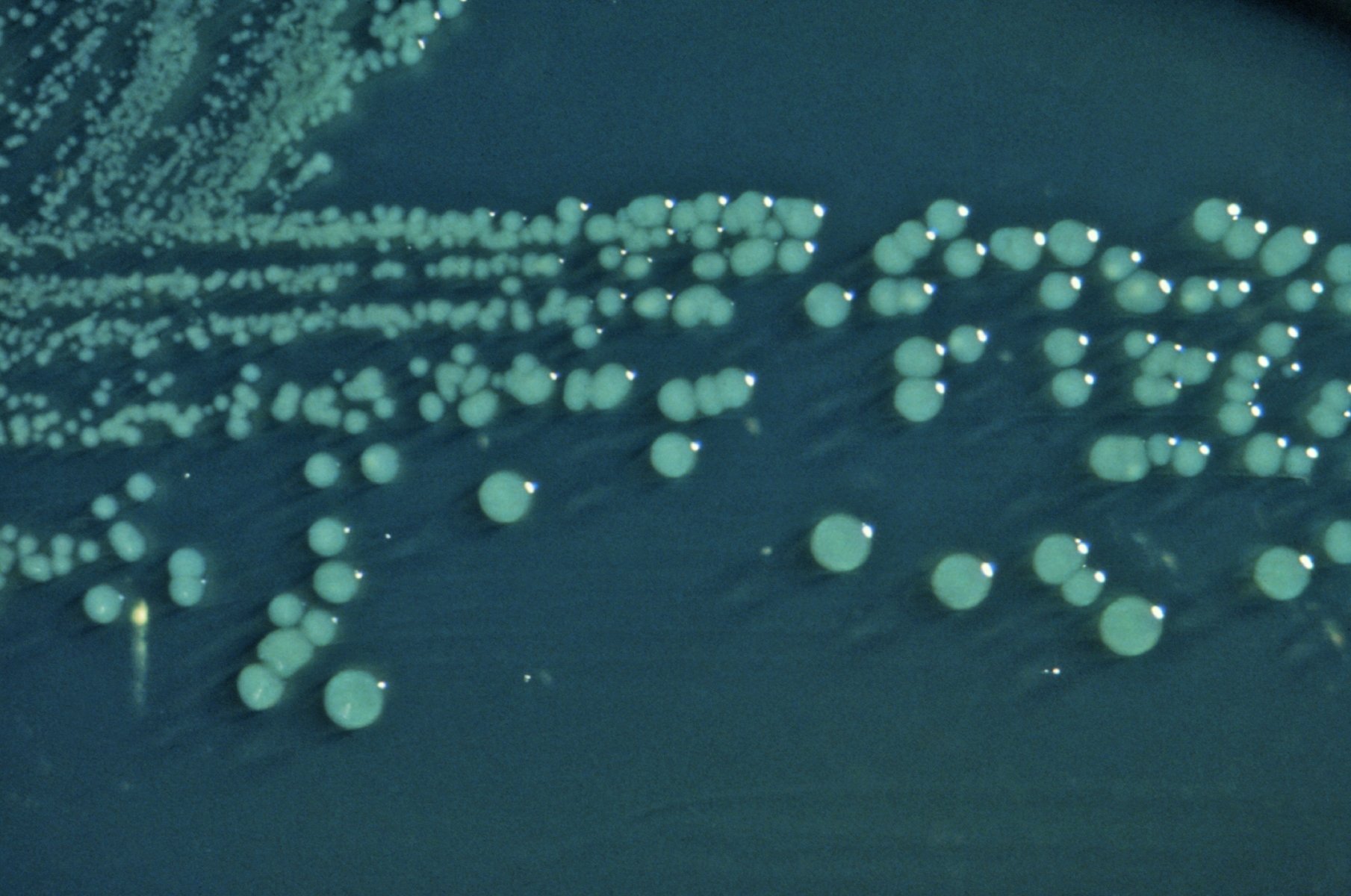
- Ten germs can be enough to make you sick
- Drug-proof cases jumped from 2 to 280 a year in the US
- Sex-spread strains grew 15% faster each year than other kinds
Ten germs. That is all it can take.
As few as 10 Shigella bacteria can make a person sick. This tiny dose is why Shigella spreads so easily, and it is why scientists are worried about what it is doing now.
Shigella is the bug behind dysentery, the illness most people know from history books and old frontier stories. It never went away. In the US it infects nearly half a million people a year, the New York Post reports.
What has changed is how it spreads and how hard it is to kill. A New York Post story this week put it bluntly, calling it sexually transmitted diarrhea that is "morphing into a drug-resistant superbug". The post about it passed 8 million views in a day.
What is sexually transmitted diarrhea?
It is the nickname for Shigella infection, also called shigellosis, when it passes between people during sex.
Shigella lives in the gut and leaves the body in poo. You catch it when a trace of infected poo reaches your mouth. Most of the time that happens through unwashed hands, dirty food or dirty water.
That is why the people most at risk have always been children under 5. Small kids share toys and are still learning to wash their hands. Travellers to places with poor sanitation are also at risk, and so are people living without a home.
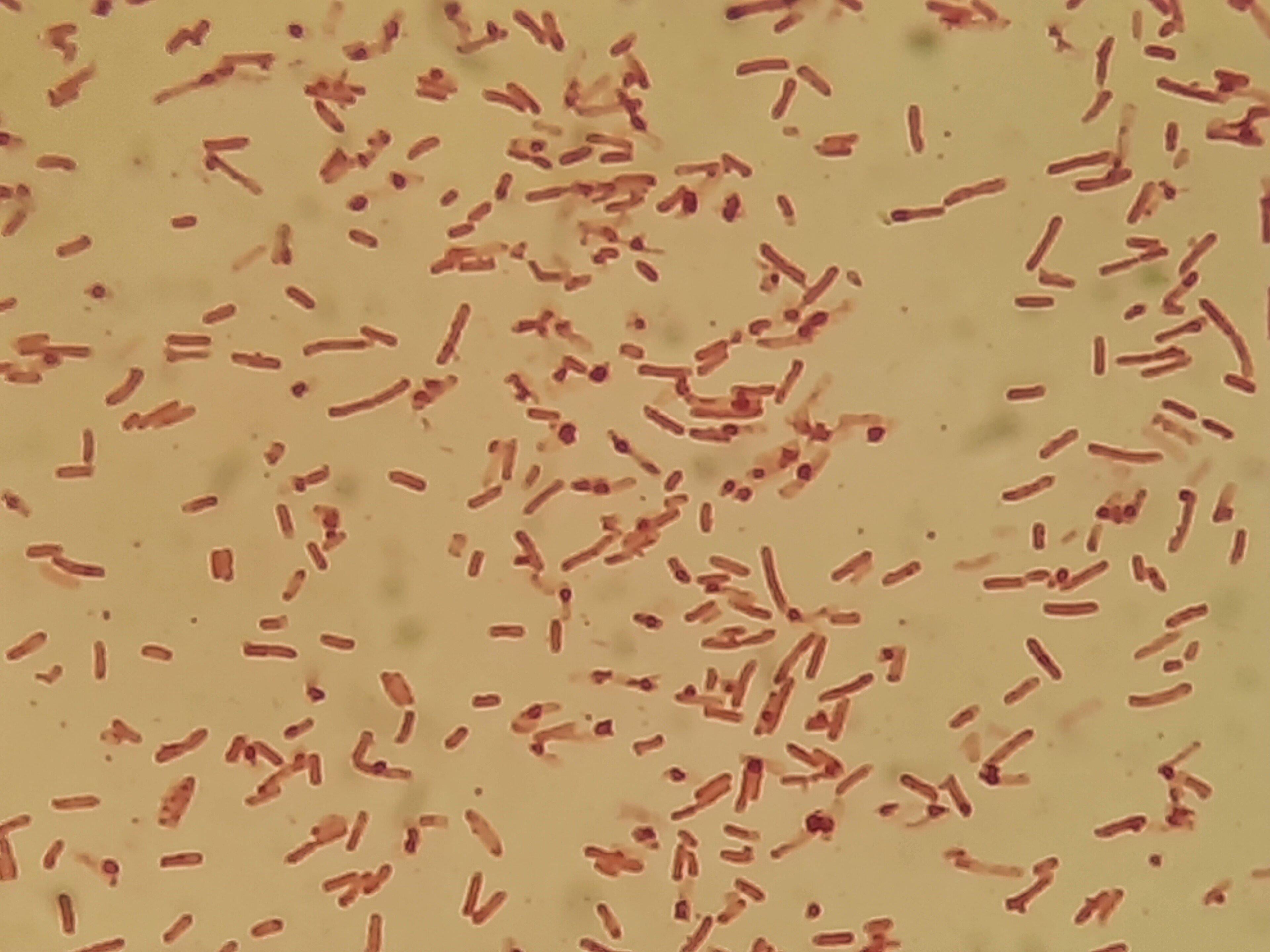
Photo: Ajay Kumar Chaurasiya / Wikimedia Commons, CC0
But sex can move the same germs from one body to another. Oral sex, anal sex and touching the area around the bottom can all do it. Experts say many people do not know this, and that may be helping it spread.
Is Shigella an STD now?
More and more, yes. Doctors first reported Shigella spreading through sex back in 1974, ScienceAlert notes. For years it stayed a small part of the picture.
That has flipped. A big UK study published in July in The Lancet Infectious Diseases read the DNA of 3,514 Shigella samples collected between 2004 and 2020. It found that from 2015 to 2020, the strains passed on through sex grew 15% faster each year than strains from travel, food or nursery outbreaks.
The study also found these strains spread across the country more than twice as fast. Researchers now think more than half of UK infections are passed on through sex.
The fastest rise is among gay, bisexual and other men who have sex with men. Experts describe the bug as "endemic" in some of these networks, which means it is always around. Anyone who has sex can catch it, though. The study found no big jump in other groups so far.
"Many men who have sex with men are unaware of the serious and increasing risk posed by sexually transmitted Shigella," says Kate Baker, the Cambridge geneticist who led the study.
What are the symptoms of Shigella?
The signs to look out for are:
- Diarrhoea, often with blood or mucus in it
- Stomach pain and cramps
- Fever
- Feeling sick or vomiting
Blood or mucus in the stool is the classic sign of dysentery. The bigger danger is fluid loss. Shigella can dry the body out fast. In bad cases it can lead to shock, bleeding in the gut and problems with the nerves and brain.
Sexually spread cases can hit hard. In earlier research, up to a third of people who caught Shigella through sex needed hospital care. They stayed four to five days on average.
Why is it called a superbug?
A superbug is a germ that most of the normal medicines no longer kill. Shigella is getting there.
In April, the US Centers for Disease Control and Prevention (CDC) published a report on Shigella that is "extensively drug-resistant", or XDR. That means it shrugs off all five antibiotics doctors usually reach for. Those are ampicillin, azithromycin, ceftriaxone, ciprofloxacin and a drug called co-trimoxazole.
The CDC looked at almost 17,000 samples from 2011 to October 2023. In 2011, none were XDR. By 2023, 8.5% were. Here is how fast the number of XDR samples grew.
That is 280 drug-proof samples in under ten months of 2023, up from 2 in 2016. About 86% of the people were men, and almost all were adults. More than a third ended up in hospital. The CDC reported no deaths.
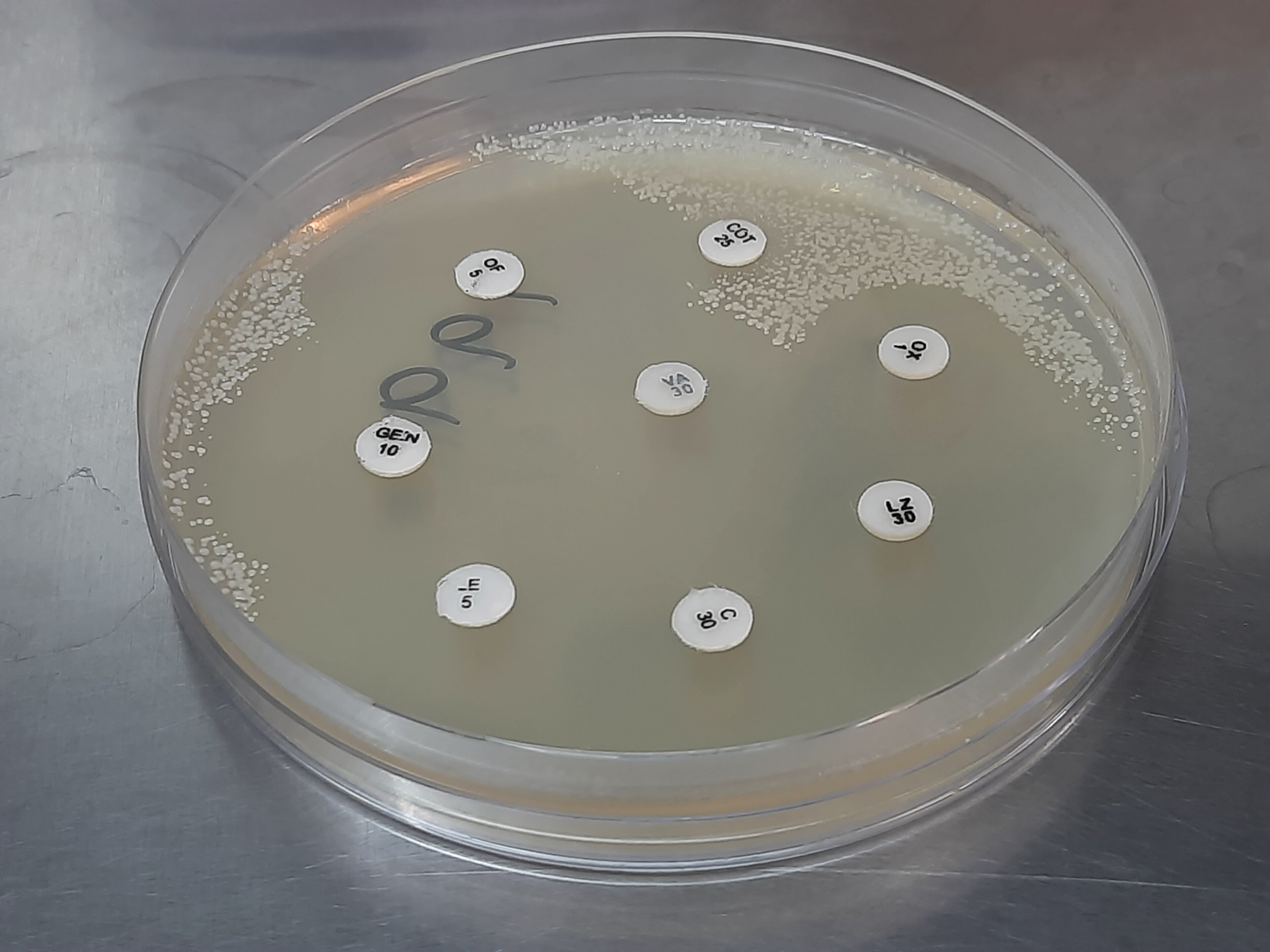
Photo: Ajay Kumar Chaurasiya / Wikimedia Commons, CC0
One UCLA expert told ScienceAlert his lab now sees about one XDR case a month. In all of 2022, it saw one.
The UK picture is similar. In 2025, 86% of one main type and 94% of the other showed resistance to antibiotics, the UK Health Security Agency (UKHSA) says.
"This disease has gone from being relatively treatable with off-the-shelf drugs to being close to untreatable over the course of the last decade or so," Baker says.
Why is it getting harder to treat?
Scientists point to something called "bystander resistance". People who are treated for one infection, like gonorrhoea, take antibiotics. If Shigella happens to be in their gut at the same time, it gets a dose too. It is the wrong drug or the wrong amount to kill it, so the toughest germs survive and spread.
Baker says there is no single sex-spread strain. Instead, several types are rising at once, and all of them are learning to dodge the drugs. "It's highly likely that if you contracted your Shigella through sex, you require different treatment to someone who contracted it through travel," she told ScienceAlert.
This is why one UK sexual health doctor, Daniel Richardson, says doctors should ask patients with dysentery how they might have caught it. The answer can change which medicine will work. Other bugs have caused health scares this year too, from the first Ebola case in Kenya to the plague scare in Russia, but Shigella is a quieter kind of threat.
Can Shigella be cured?
Yes, for most people. Most cases clear up within a week on their own with rest and plenty of fluids.
For serious cases, doctors use antibiotics. They shorten the illness and help stop you passing it on. With drug-proof strains, a lab test on a stool sample shows which medicine still works. The CDC says a few newer drugs might help, though none was approved in the US for Shigella as of 2025.
See a doctor or clinic straight away if you have blood in your stool, a high fever, or signs of drying out like dizziness and very little urine. Tell them if you might have caught it through sex. That helps them pick the right treatment and check for other infections, which up to two-thirds of men with sex-spread Shigella also have.
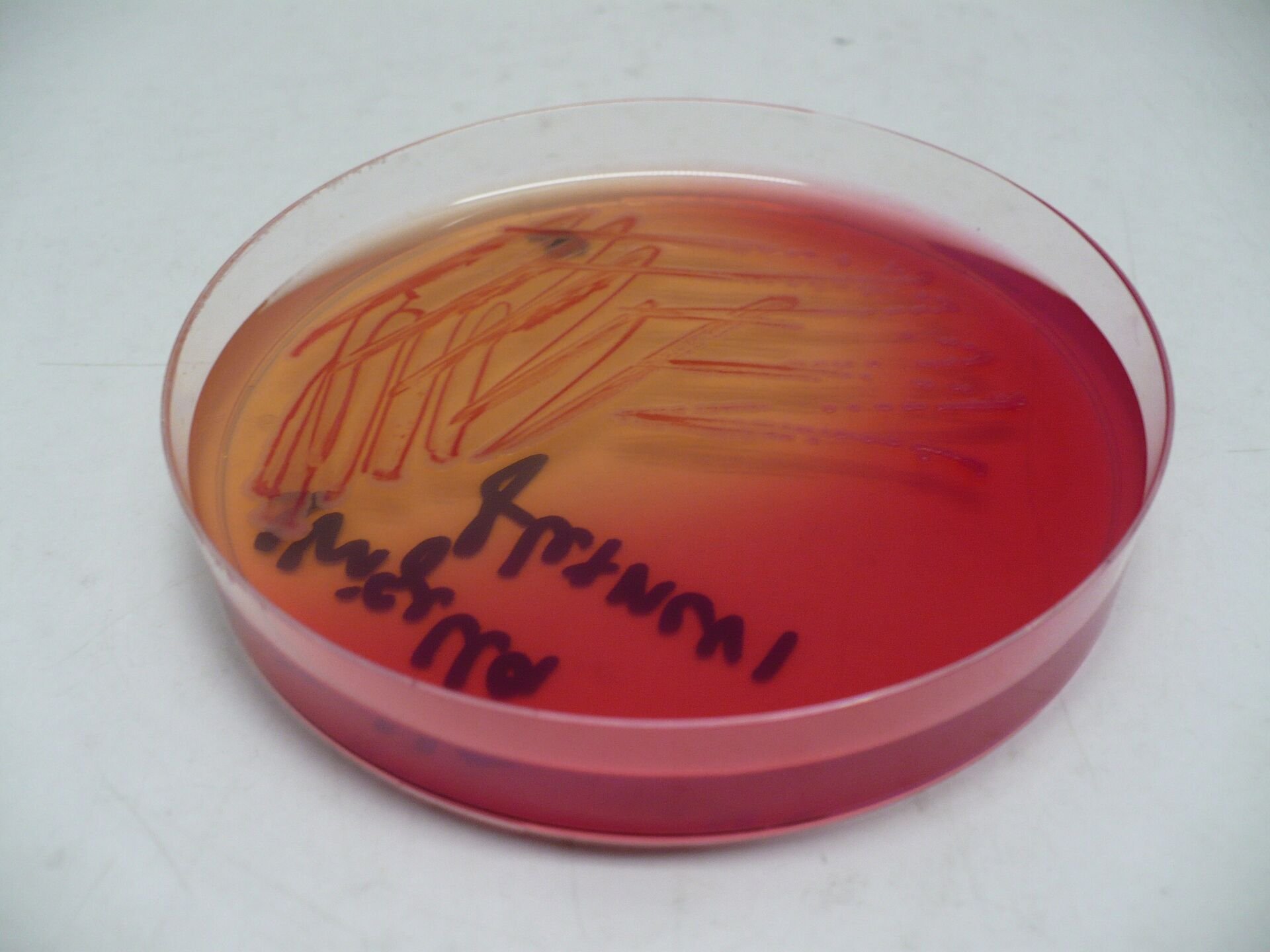
Photo: Pavel Dušek, vyfotografováno s laskavým svolením zaměstnanců Ústavu imunologie a mikrobiologie 1. LF UK / Wikimedia Commons, CC BY-SA 3.0
How do you stop Shigella spreading?
The CDC and the California Department of Public Health suggest a few simple habits:
- Wash your hands, genitals and bottom with soap and water before and after sex
- Wash sex toys with soap and water after use
- Use condoms and dental dams for oral and anal sex
- Do not have sex with anyone who has had diarrhoea in the last two weeks
This advice is for everyone who has anal, oral or vaginal sex, not only one group. Baker adds one more rule if you have been ill: Wait two full weeks after you feel better before having sex again.
Plain handwashing after the toilet still matters too, because the same bug also travels on hands, food and water.
Should you be worried about Shigella?
Shigella is an old enemy that has found a new route and is learning to beat the drugs. That is worth knowing about.
But the bug has one big weakness. It needs to get from one person's gut into another person's mouth. Washing before and after sex, condoms and dental dams, a two-week pause after being sick and an honest chat with a doctor close off the routes it uses.
It only takes ten germs to start an infection. It only takes a few easy habits to keep them out.
Sources5
- New York Post on X (8 Oct 2026)
- New York Post, Sexually transmitted diarrhea is on the rise and morphing into a drug-resistant superbug (8 Oct 2026)
- CDC, Emergence of Extensively Drug-Resistant Shigellosis, United States, 2011 to 2023 (MMWR, 9 Apr 2026)
- University of Cambridge, study in The Lancet Infectious Diseases on sexually transmitted Shigella in England (9 Jul 2026)
- ScienceAlert, Sexually transmitted diarrhea is exploding in the US (8 Oct 2026)
The week's biggest stories, every Monday
One email. The stories everyone will be talking about, before they do.
Free. One email a week. Unsubscribe anytime.Keep reading
 WorldHegseth vows a public firing squad for the Fort Hood shooter
 WorldElon Musk wins the National Medal of Science, and Trump calls him the new Edison
 WorldParis student protests: What happened at the Bastille and why