Microsoft, Adobe and six outsourcing giants just lost the right to sponsor green cards. What happens now?
The government says these firms pushed out American workers. The companies say they play by the rules. Caught in the middle are thousands of people waiting for a green card.
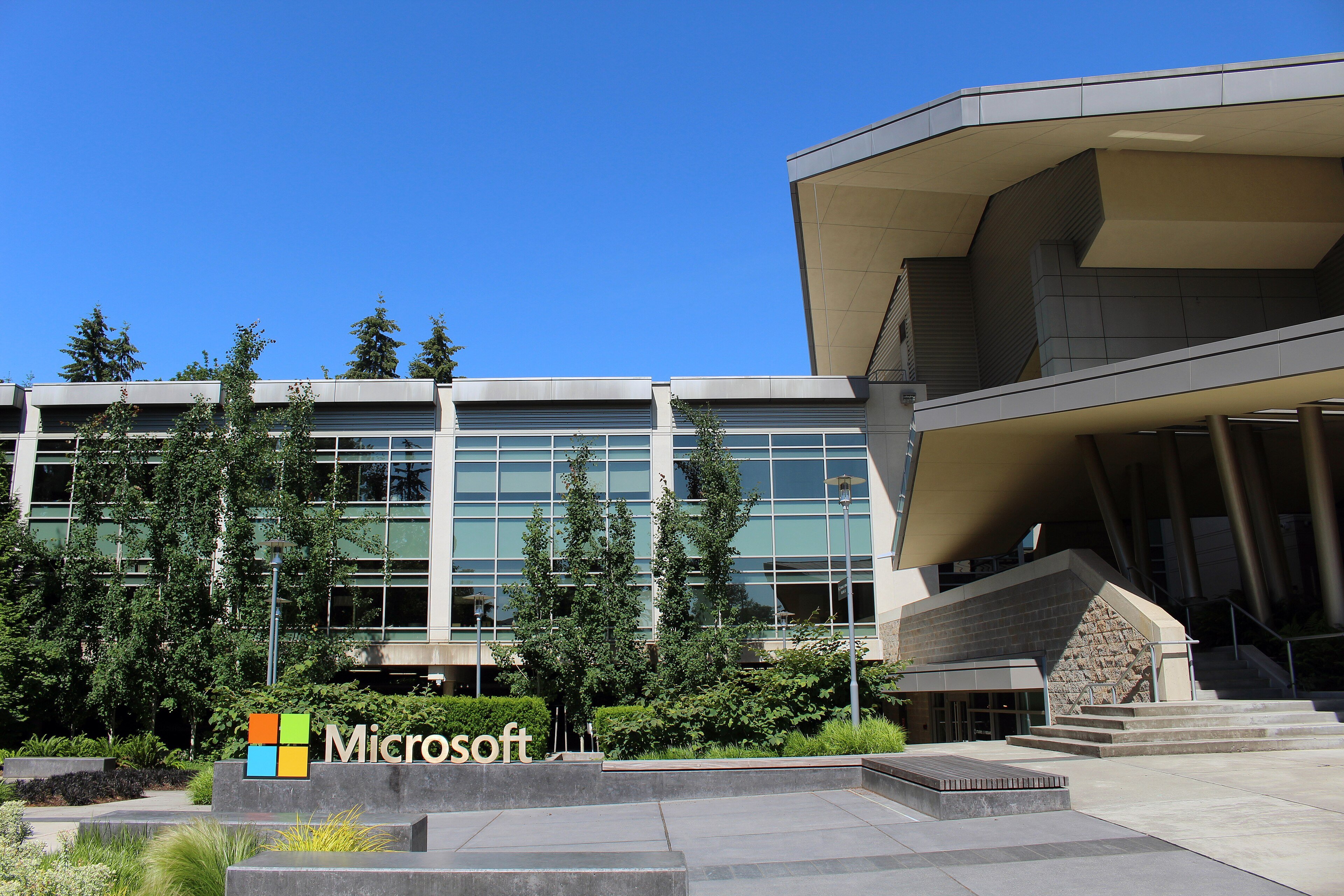
Photo: Coolcaesar / Wikimedia Commons, CC BY-SA 4.0
- Eight tech firms can no longer file new green card applications
- The government says they asked for almost 3 million foreign workers
- Microsoft says 80% of its visa filings were for people it already employs
Almost 3 million.
That is how many foreign workers eight big tech companies have asked the US government for since 2009. The figure comes from Labor Secretary Keith Sonderling. On Thursday, 8 October 2026, he used it to explain why those eight firms just lost a key right.
The Labor Department suspended Microsoft and Adobe from the program that lets a company sponsor a foreign worker for a green card. Six big IT outsourcing firms got the same treatment: Infosys, Tata, Wipro, HCL, Cognizant and Capgemini.
News of the ban spread fast. One post about it passed 678,000 views in a day. Older tech workers piled into the replies. Several said they had been let go and replaced by visa workers or by staff overseas.
So what did the government actually do, and who does it hit?
Why were Microsoft and Adobe suspended?
Sonderling said the suspensions were due to "multiple active federal investigations", UPI reports. He did not say what those investigations are about.
He said the eight firms got more than 230,000 H-1B visa approvals and more than 100,000 green card labor certifications. In his words, that adds up to hundreds of thousands of jobs taken from American workers.
Vice President JD Vance, who leads the White House push against fraud, went further. He accused Microsoft of abusing the system. He said the company laid off 6,000 American workers last year and replaced them with workers on H-1B visas.
The suspensions have no end date. They last until the government feels its concerns have been dealt with, SHRM reports.
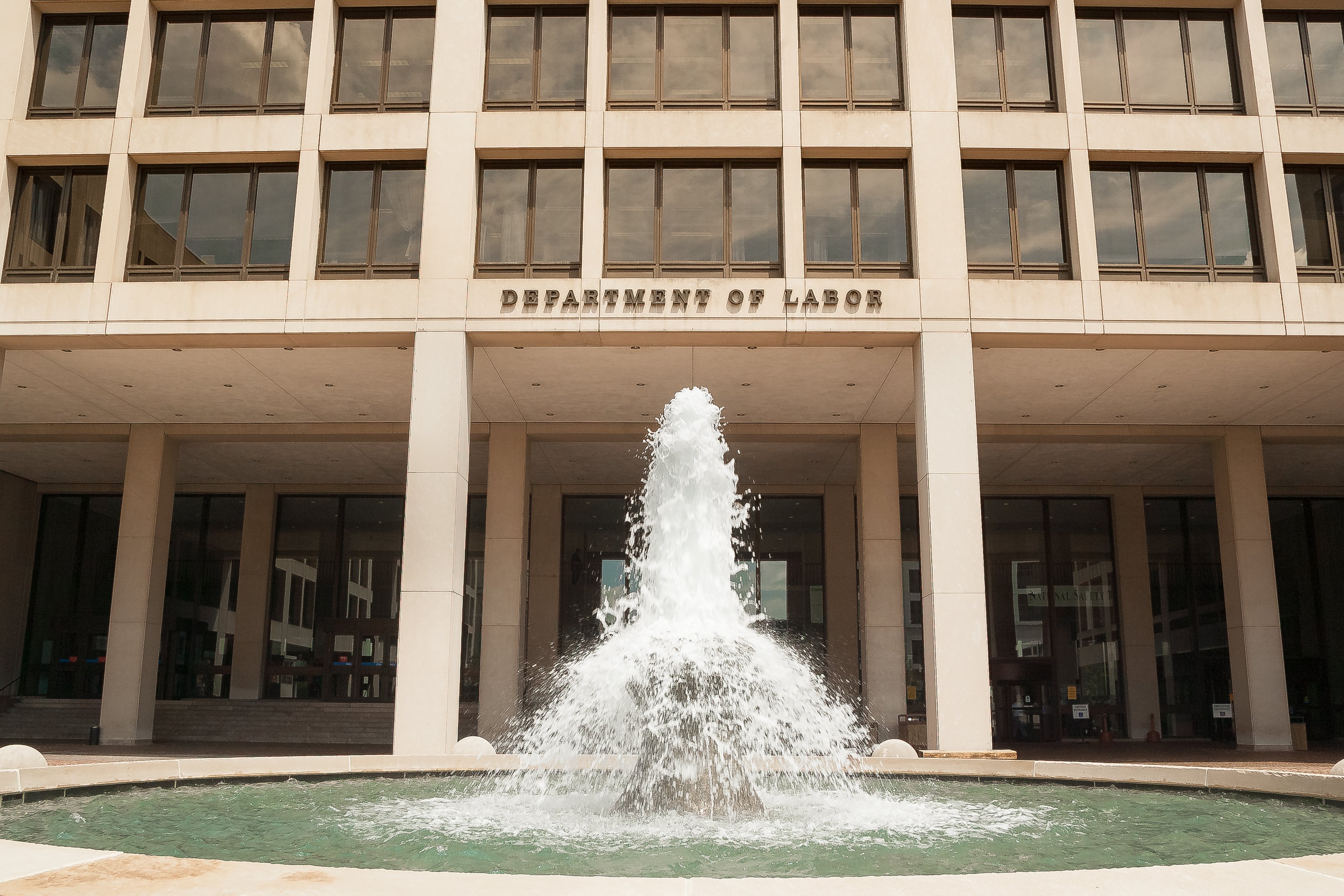
Photo: US Department of Labor / Wikimedia Commons, CC BY 2.0
What is the PERM labor certification program?
PERM is the first step on one of the main roads to a US green card for skilled workers. A green card lets a foreign worker live and work in America for good.
Before a company can sponsor someone, it has to test the job market. It must show the Labor Department that no qualified American worker is available and willing to take the job. Only then does the department certify the job, and the worker can move on to the green card stage.
That test is the whole point of the program. It is meant to make sure foreign workers fill gaps, not take jobs Americans want.
The government says these firms did not respect that test.
Does this affect people already on H-1B visas?
Not directly. Approved H-1B visas and green cards are not cancelled, SHRM reports.
The ban hits the next step. Workers who hoped these firms would sponsor their green card are now stuck.
| What | Before 8 October | Now |
|---|---|---|
| New PERM applications from the 8 firms | Accepted | Not accepted |
| Pending PERM applications | Being processed | Frozen |
| Approved H-1B visas | Valid | Still valid |
| Green cards already issued | Valid | Still valid |
| How long it lasts | No end date |
For a worker who is halfway through, that is a big deal. Many H-1B workers wait years for a green card. A frozen application can mean starting again with a new employer, if one will take them on.
Did Microsoft replace American workers with H-1B workers?
The two sides tell very different stories.
Vance pointed to official figures for the last government financial year. He said Microsoft got 6,258 H-1B approvals and filed 3,157 PERM applications, while it laid off about 6,000 American workers.
Microsoft disputes this. It says the "vast majority" of its US employees are Americans.
It also says about 80% of its H-1B filings last year were for people it already employs. Those filings extend a visa or change a worker's status. They are not new hires. New hires on H-1B visas make up about 1% of its US workforce, the company says.
Microsoft adds that it only files for workers who meet the visa's rules. It says it pays H-1B workers the same as others doing the same job.
Adobe had not said anything in public at the time of writing.
Photo: FASTILY / Wikimedia Commons, CC BY-SA 4.0
Was Infosys found guilty of visa fraud?
Some people in the replies said Infosys had been found guilty and fined. The real history is close, but not quite that.
In 2013 Infosys paid $34 million to settle a US government case, CBS News reported. Prosecutors said the firm used short-term business visas to bring in workers who should have been on H-1B visas. The deal meant no criminal case. Infosys denied any wrongdoing.
Cognizant has a sharper record. In October 2024, a federal jury in Los Angeles found the company had discriminated against workers who were not Indian, The Register reported. The workers said they were left without work, then let go and replaced by visa-ready staff from India. Cognizant denied the claims and said it would appeal.
Tata, Wipro, HCL and Capgemini are the other names on the list. Like Infosys and Cognizant, they place staff at American companies. Critics have long said these firms rely heavily on visa workers, which the firms dispute.
Is this really about discrimination against American workers?
That is how the news was framed online. The official reason given was the federal investigations and what Sonderling called abuse of the program.
But discrimination is part of the bigger picture. The head of the Equal Employment Opportunity Commission, Andrea Lucas, has said bias against Americans can count as illegal national origin discrimination. In her words: "Nothing justifies illegal national origin discrimination."
The Labor Department is also writing a new rule for PERM. It is now with the White House budget office. It is expected to set minimum hiring standards, add rules about layoffs of American workers, and spell out nondiscrimination rules for employers, SHRM reports.
On 18 September President Trump also signed an order telling agencies to look at whether a company recently laid off American workers before approving H-1B paperwork.
The same week brought a second front. The Labor Department's inspector general, Anthony D'Esposito, said he is looking into visa fraud at top American universities, including Harvard, Stanford and MIT. Subpoenas have been served, he said.
Not everyone online cheered. Some asked if this was a show of force while bigger problems went unsolved. Others wanted to know why the ban stops at eight companies.
What happens next for green card applicants?
For now, anyone whose green card depends on one of these eight firms is waiting. There is no date for the suspensions to end. The companies can still use other visas, and existing visa holders keep their status.
The timing was striking. On the same day, Trump hosted a White House science summit and handed out America's top science medals to tech leaders, including Elon Musk, whom he called a modern Edison. UPI reported that Microsoft boss Satya Nadella, who moved to the US from India in 1988, was due to be honoured there too.
It is the latest step in a hard line on work visas, a line the White House defends from the podium of press secretary Karoline Leavitt. Skilled workers abroad are watching too, including South Africans weighing up where their passport can take them.
Microsoft and Adobe make software used in almost every office on earth. Today neither can file a single new green card application. If the biggest names in tech can lose that right overnight, no company that hires from abroad can treat it as safe.
Sources6
- The original post on X (8 Oct 2026)
- SHRM, PERM suspensions latest blow to immigration programs (8 Oct 2026)
- UPI (via Yahoo News), Labor Department to block visas for Microsoft, Adobe, universities (8 Oct 2026)
- CNBC, US suspends Microsoft, Adobe from green card labor program (8 Oct 2026)
- CBS News, Infosys to pay $34 million to settle visa fraud allegations (2013)
- The Register, US jury finds Cognizant discriminated against non-Indian workers (2024)
The week's biggest stories, every Monday
One email. The stories everyone will be talking about, before they do.
Free. One email a week. Unsubscribe anytime.Keep reading
 WorldParis student protests: What happened at the Bastille and why
 WorldSexually transmitted diarrhea is spreading and dodging antibiotics
 WorldHegseth vows a public firing squad for the Fort Hood shooter