A "Blacks only" cinema in London? What EbonyLife Place really is
The anger was instant. "Isn't this apartheid?" one person asked. The cinema is real, and it opens this month. The part people got wrong is who it is for.
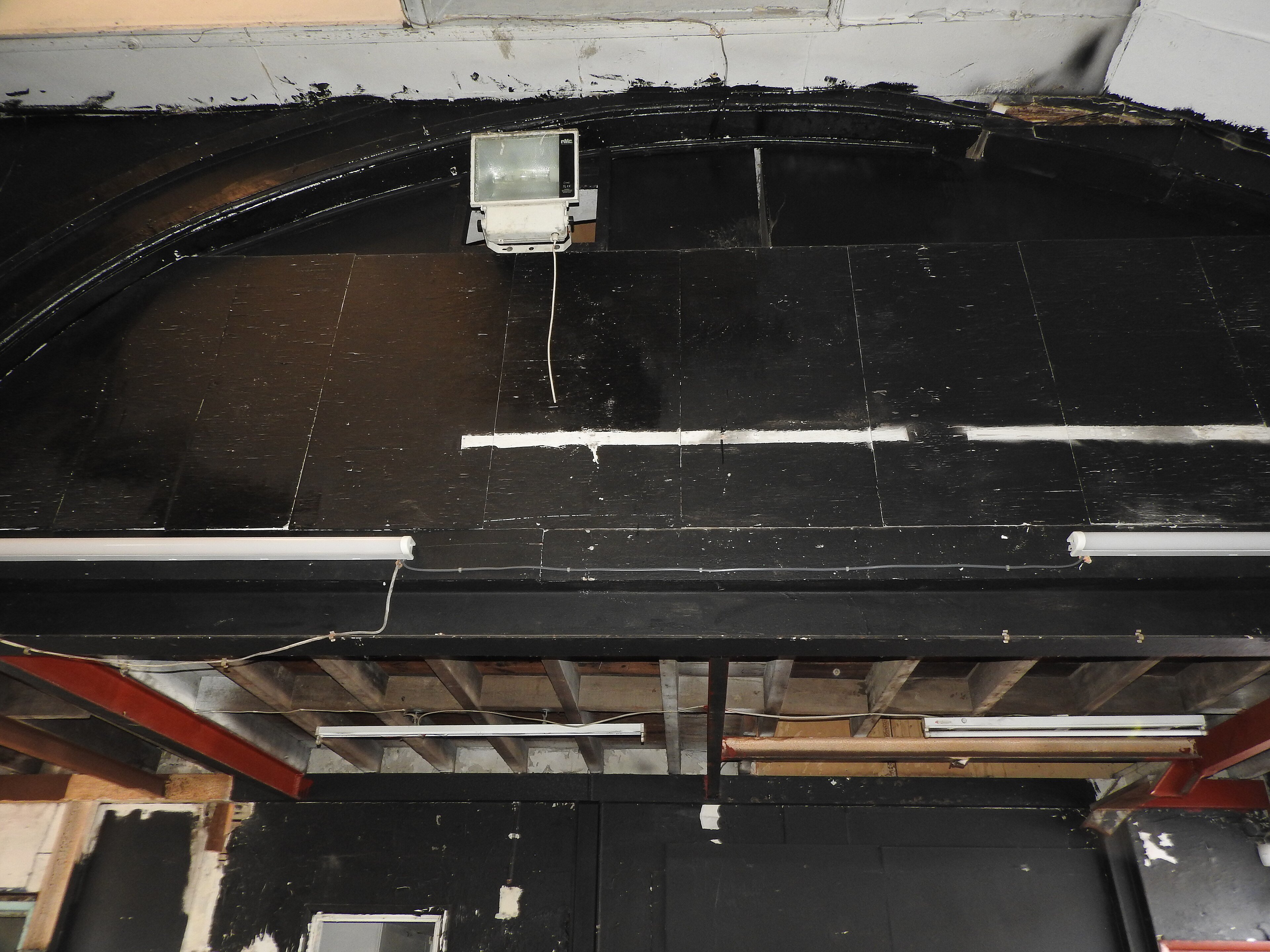
Photo: ClemRutter / Wikimedia Commons, CC BY-SA 4.0
- London's first cinema for African and Black films opens this month
- Thousands believed it would turn white people away
- UK law and a 2024 theatre row show where the real line sits
"Isn't this apartheid?!"
That was one of the first replies. Within hours there were thousands more. A post on 9 October told people that London was getting a cinema for Black people only.
People were furious. "How is that not racism?" one wrote. "There are no white only cinemas." Another said it was "1950s America in reverse". A third asked if it broke "the race relations act".
Some replies were openly racist. We are not repeating those.
Then a different kind of reply began to appear. It said the founder has stated the cinema is open to everyone, with no racial limits on who can buy a ticket. The word "only", it said, is about the films on the screen. It is not about the people in the seats.
So which is it?
Is there really a Black-only cinema in London?
There is a new cinema. It is called EbonyLife Place London, and it sits on Wandsworth Road in south London, not far from the new American Embassy.
It is billed as the first cinema in the UK dedicated only to African and Black films. That is the "only" in the story. It describes what is shown, according to every report we found.
Nothing EbonyLife has published says white people, or anyone else, will be turned away. We found no ticket rule, no door policy and no statement that limits entry by race.
Here is the whole claim, piece by piece.
| What the post made people believe | What is confirmed | Source |
|---|---|---|
| London has a new cinema for Black people | A cinema for African and Black films is opening on Wandsworth Road | ThisDay, NAN |
| Only Black people can go in | No published rule limits entry by race. "Only" refers to the films | ThisDay, NAN, Graphic |
| Nigerian media boss Mo Abudu is behind it | Yes. It belongs to her EbonyLife Group | ThisDay, NAN |
| Sadiq Khan opened or backed it | No public record of this found | Not confirmed |
| A councillor called Paul Valentine is involved | No public record of this found | Not confirmed |
| Abudu said it is open to everyone | Repeated in replies. We could not find her published words | Not confirmed |
| It is already open | Reports said October 2026. No opening night coverage yet | ThisDay |
Who is Mo Abudu, and who owns the cinema?
Mo Abudu is one of the best known names in African TV and film. She built EbonyLife into a media group from Lagos.
Her company has deals with Netflix, Sony Pictures and AMC Networks, according to ThisDay. She also sits on the board of the International Emmys. She once worked as a guest programmer at the Academy Museum of Motion Pictures in Los Angeles.
EbonyLife Place London is her company's project. Reports name no public money behind it, and we found none.
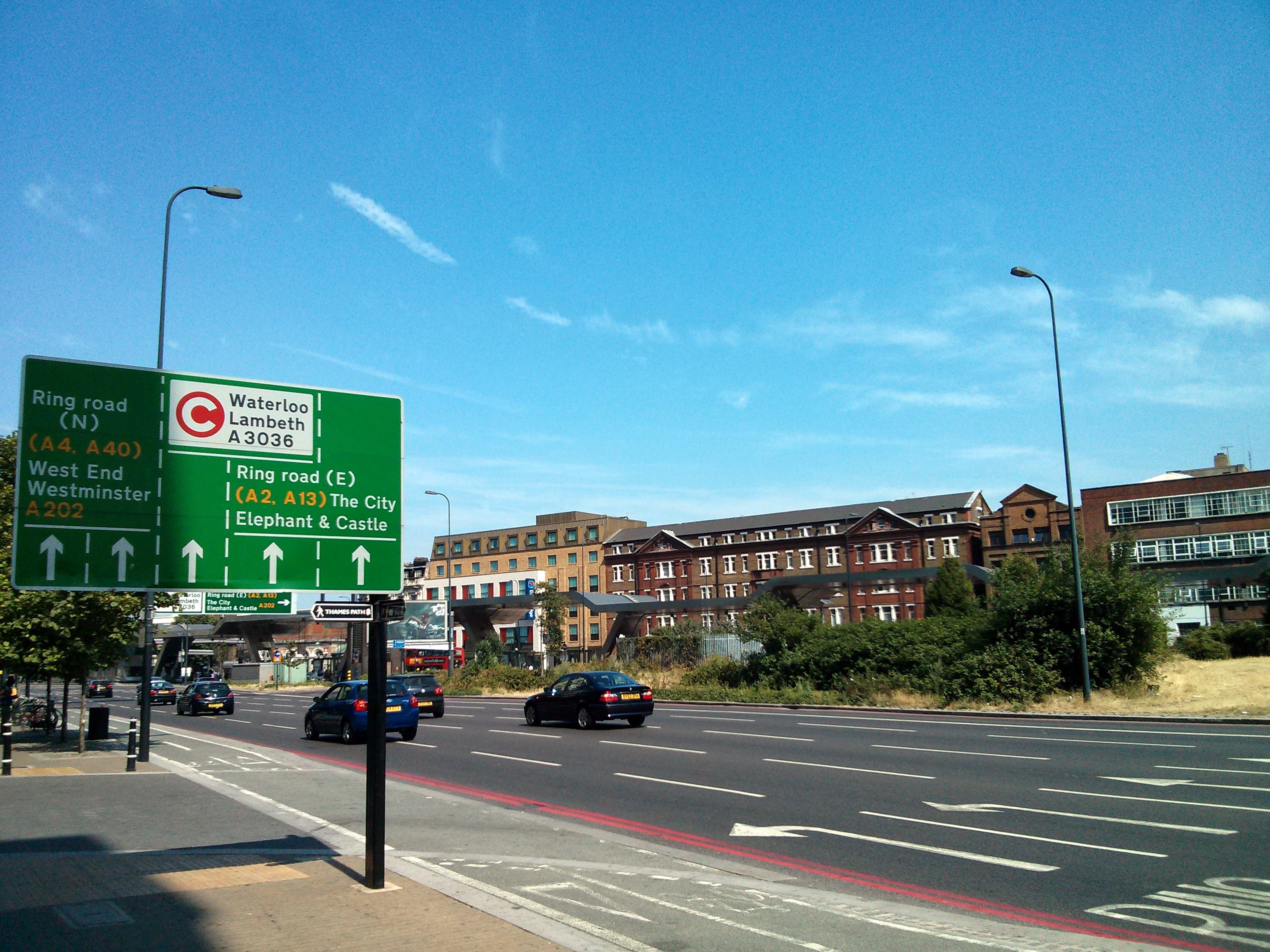
Photo: PAUL FARMER / Wikimedia Commons, CC BY-SA 2.0
What is inside EbonyLife Place?
It is more than a screen. ThisDay lists a 160-seat room called the Amani Auditorium. Another report put it at 180 seats.
Around it there is a restaurant called Afrobeat, a lounge, a bar, a shop and a wall gallery. The idea is a full night out built around African film, with a big focus on Nollywood, Nigeria's film industry.
The opening has slipped once. Early reports said the end of 2025. The later date is October 2026.
Abudu's pitch, as reported, is simple. African stories deserve a home on their own terms, and London gives them a big stage. The venue is meant to feel like home to the diaspora and be a way in for everyone else.
Is a cinema for Black films racist?
Critics hear "Black films only" and picture a sign on the door. To them, any venue built around one race feels like a step back. "Imagine the fuss if a white version was opened," one person wrote.
Supporters say this is how cinema already works in Britain. Bollywood films have their own screens and their own crowds. Polish, Korean and French film nights run in cities across the country. Nobody checks your passport at the door of a Bollywood film. They say a Nollywood cinema is the same thing.
The comparison has a gap. Most of those screens sit inside big chains. EbonyLife Place is a whole venue with one focus, which is part of why the reaction was so loud.
Is it legal to stop people from entering a cinema because of their race?
No. UK law is clear on the basic rule.
Under section 29 of the Equality Act 2010, anyone who provides a service to the public must not discriminate against a person who wants that service. A cinema ticket is a service. Turning someone away at the door because of their race would be direct discrimination.
Choosing which films to show is different. A cinema can show only horror films, only kids' films or only African films. The law covers who gets served. It says nothing about which films go on the screen.
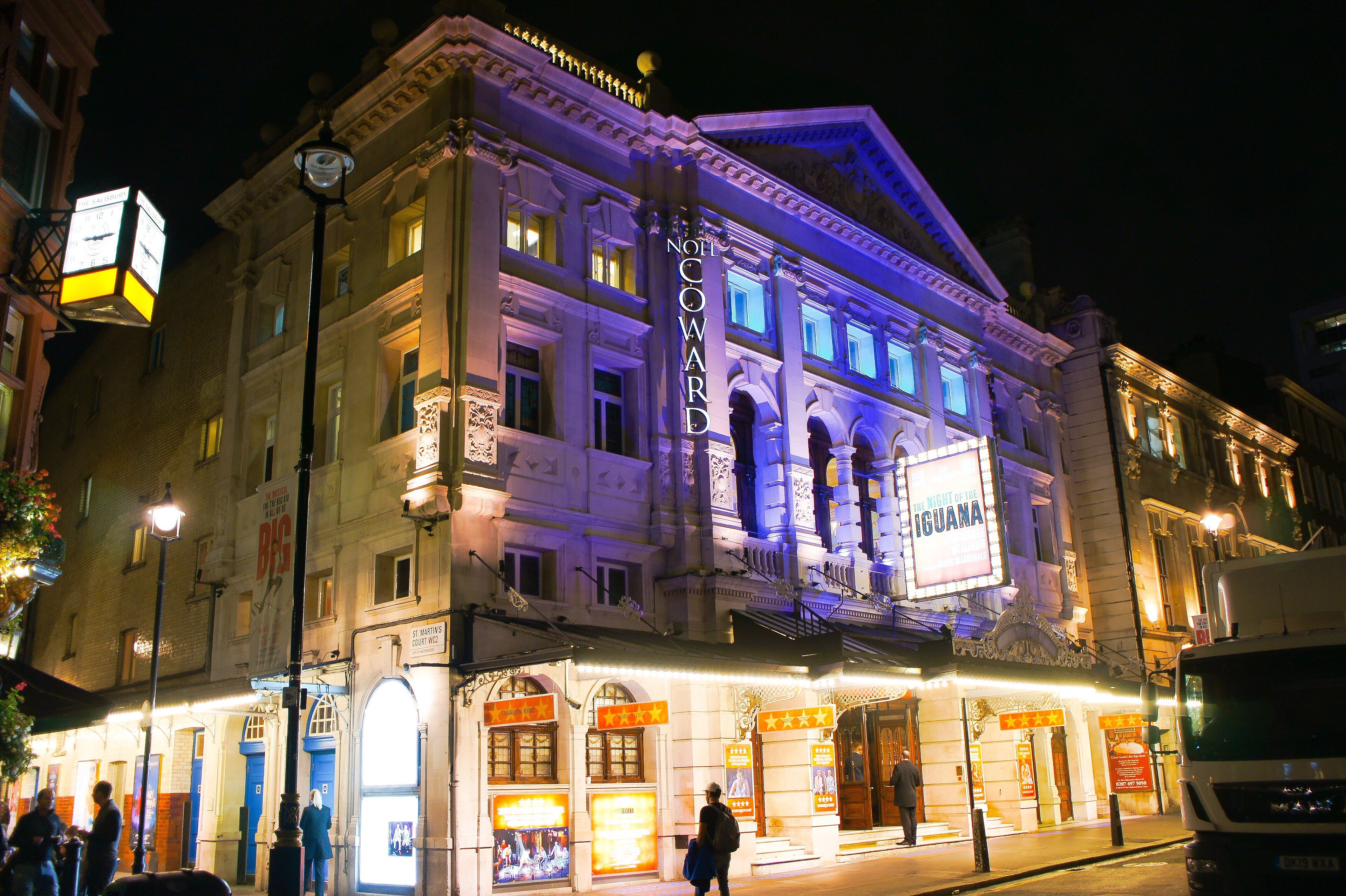
Photo: Iridescent / Wikimedia Commons, CC BY-SA 3.0
Has this happened in London before?
Yes, and it shows exactly where the line gets blurry.
In 2024 the play Slave Play ran at the Noël Coward Theatre in the West End. It held two "Black Out" nights, on 17 July and 17 September. Tickets for those two shows were offered to people who identify as Black.
That caused a storm too. A group called Don't Divide Us wrote an open letter saying the nights were legally doubtful under the Equality Act. A Downing Street spokesman said the arts should be inclusive and open to everyone, especially when public money is involved.
The theatre pushed back. It said no one would be prevented from going to any performance, and that the nights had been misread online as segregation.
No court or regulator ruled on it. But the difference with EbonyLife matters. Slave Play set aside certain nights for one group. EbonyLife, from everything published, has set aside no nights and no seats. It has only picked its films.
A BBC pay row about white staff split the internet the same way this week. So did a French mayor who shielded students.
So can a white person buy a ticket?
Nothing says they cannot.
No rule, no policy and no statement from EbonyLife limits who comes in. The claim that Abudu promised it is "open to everyone" is still a claim from replies. We could not find her saying it in public. The Sadiq Khan and councillor links are also unproven.
What is real is the venue, the films and the anger. Thousands of people were told a door would close on them because of their skin. The door, on every record so far, was never built to close.
The first night will settle it in a way no reply can. If the Amani Auditorium fills with every kind of Londoner watching a Nollywood film, the "apartheid cinema" becomes the place that proved the internet wrong. And the 160 seats will tell that story better than any post.
Sources8
- The original claim on X (9 Oct 2026)
- ThisDay, Mo Abudu takes Africa to London with EbonyLife Place (16 Aug 2026)
- Voice of Nigeria (NAN), Mo Abudu to open UK's first African cinema hub
- Graphic Showbiz, Mo Abudu to open UK's first cinema hub for African and Black films
- Equality Act 2010, section 29 (provision of services)
- Time Out, the Slave Play Black Out nights row (2024)
- LBC, Downing Street on the Black Out nights (2024)
- Don't Divide Us, open letter on the Black Out performances
The week's biggest stories, every Monday
One email. The stories everyone will be talking about, before they do.
Free. One email a week. Unsubscribe anytime.Keep reading
 WorldMicrosoft and Adobe banned from sponsoring green cards: What it means
 WorldParis student protests: What happened at the Bastille and why
 WorldPope Leo XIV on beauty, tech and why young people need to slow down